
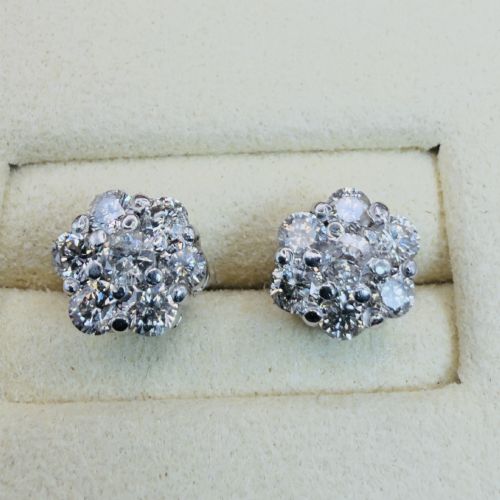
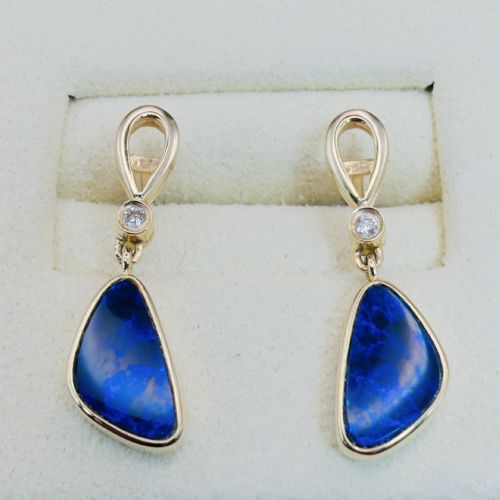
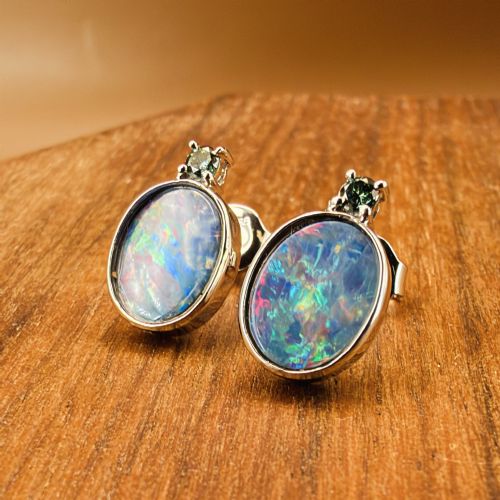
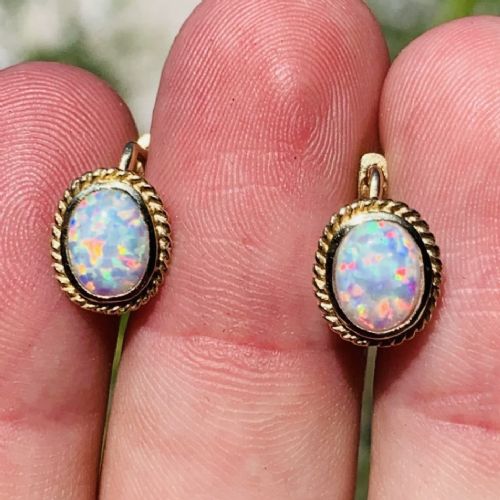
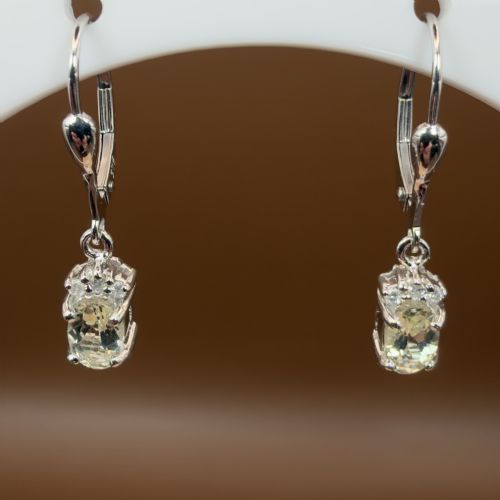
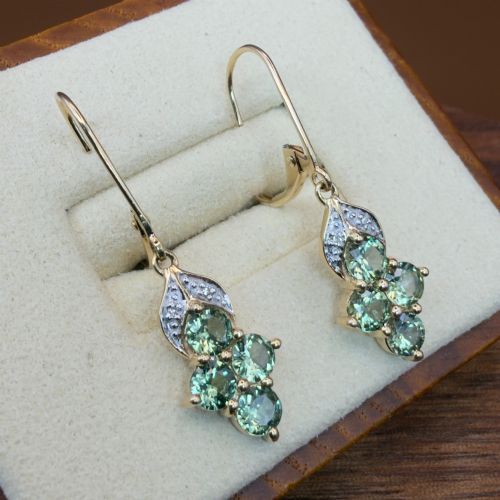
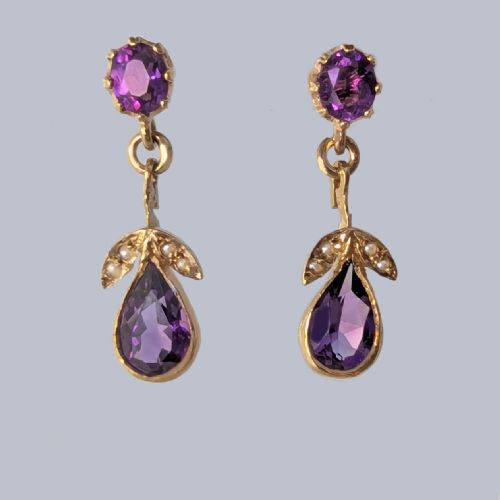
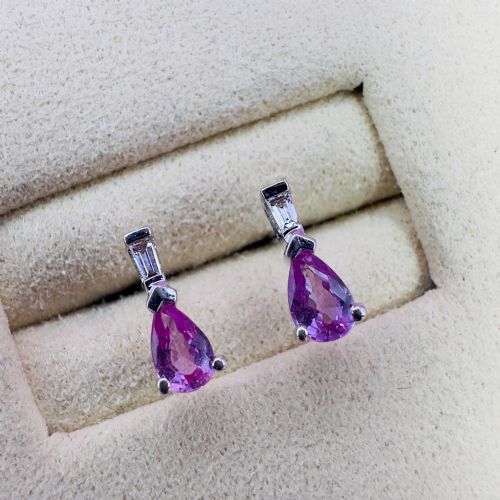
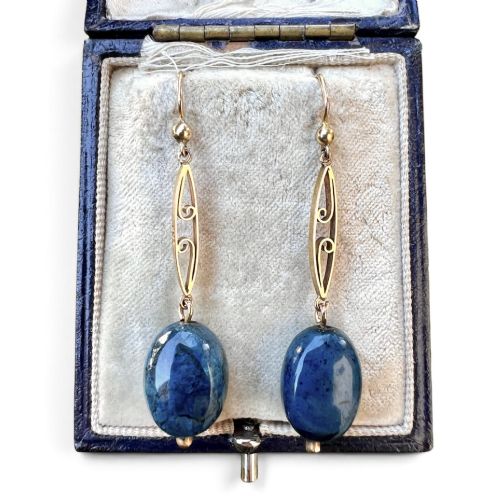
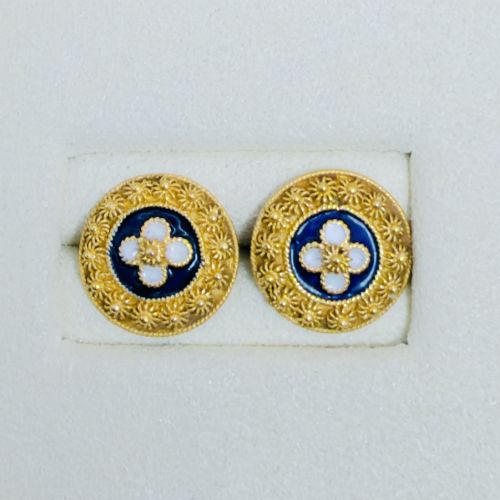
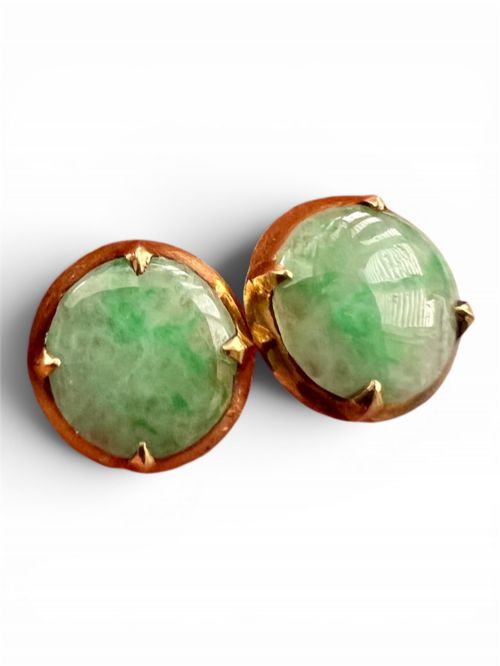
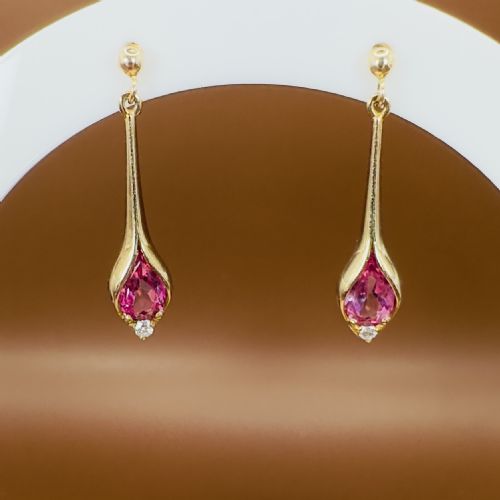


Fine Gold Earrings
Fine antique gold earrings bring together centuries of craftsmanship, offering wearable history set in rich metals and precious stones.
Fine Gold Earrings
Origins stretch from the late nineteenth century into the 1960s, reflecting changing lapidary techniques and metalworking fashions. Pieces range from delicate Victorian gold hoops to substantial Edwardian diamond drops and retro turquoise fan designs.
How they were made
Goldsmiths utilised varying purities of gold, including 9ct, 14ct, 15ct and 18ct, alongside platinum and silver mounts to secure gemstones. Silver was frequently deployed on the face of Edwardian pieces to enhance the whiteness and brilliance of old-cut diamonds.
Setting techniques relied heavily on hand-cut claws, bezels and intricate filigree work to hold stones such as pearls, coral, turquoise and sapphires. Component parts were soldered, cast or hollowed to achieve substantial visual weight without uncomfortable heaviness on the ear.
What varies in quality
Quality rests in the precision of the metalwork, from hand-pierced filigree galleries to secure stone settings and balanced drop movement. Superior examples display thoughtful integration of gemstones, such as matched sapphires or well-oriented diamonds that catch the light effectively.
The choice of materials also dictates the calibre of the piece, with natural pearls, untreated corals and substantial diamond carat weights elevating the work. Structural integrity, clean hallmarks and originality of components separate standard production from exceptional survival.
The Fine Gold Earrings Glossary
- Drop earrings
- Earrings that hang below the earlobe, often incorporating articulated sections that move with the wearer. They range from simple suspended stones to elaborate multi-tiered pendant designs.
- Old cut diamond
- A diamond cut by hand before modern machinery standardised facets, typically characterised by a smaller table, higher crown and open culet. These stones exhibit a softer, candlelit sparkle rather than modern brilliant scintillation.
- Filigree
- Delicate jewellery-making technique using fine twisted threads of gold or silver soldered together to create openwork patterns. This method adds intricate texture without heavy metal weight.
- Parure
- A matching set of jewellery, typically comprising earrings, a necklace, a brooch and sometimes a ring or bracelet designed to be worn together. Surviving sets represent cohesive design visions from specific periods.
- Rose cut
- An antique diamond or gemstone cut with a flat base and a domed crown consisting of triangular facets. The silhouette resembles an unopened rosebud.
Fine Gold Earrings: Frequently Asked Questions
How do I clean antique gold earrings?
Clean antique gold earrings gently using warm water, mild soap and a soft brush to remove everyday debris from settings. Avoid harsh chemical dips or ultrasonic cleaners, especially if the piece contains softer organic gems like pearls, turquoise or coral.
Pat the metal and stones thoroughly dry with a soft cloth before storing them away. Regular gentle maintenance preserves both the original metal finish and the security of historic stone settings.
Can antique earrings be converted for pierced ears?
Many antique earrings originally featured screw backs, clip-ons or omega clips to accommodate non-pierced lobes. Expert jewellers can often adapt these findings or add compatible posts while retaining the original mechanism.
Any conversion work should be undertaken carefully to preserve the structural integrity and hallmark stamps of the piece. Consult a specialist who understands antique metals to ensure modifications remain reversible or sympathetic.
How can I tell the difference between Edwardian and Victorian styles?
Victorian earrings tend to be bolder, heavier and frequently feature sentimental motifs, rich yellow or rose gold, and deep-toned stones like garnets or coral. They often embrace archaeological revivals or substantial hollow-formed gold hoops.
Edwardian design shifts toward lighter platinum-topped mountings, delicate filigree, seed pearls and bright diamonds. The overarching aesthetic prioritises airy grace and lace-like white metal framing over the denser warmth of high-carat yellow gold.
What is the difference between 9ct and 18ct gold in antiques?
Gold purity determines the proportion of pure gold alloyed with other metals to achieve durability and colour. 18ct gold contains a higher percentage of pure gold, offering a richer warmth and greater resistance to tarnishing.
Lower purities like 9ct and 15ct were widely used across British manufacturing for strength and affordability. Each karat standard produces subtle shifts in hue, ranging from pale greenish-yellows to deep rosy tones.