
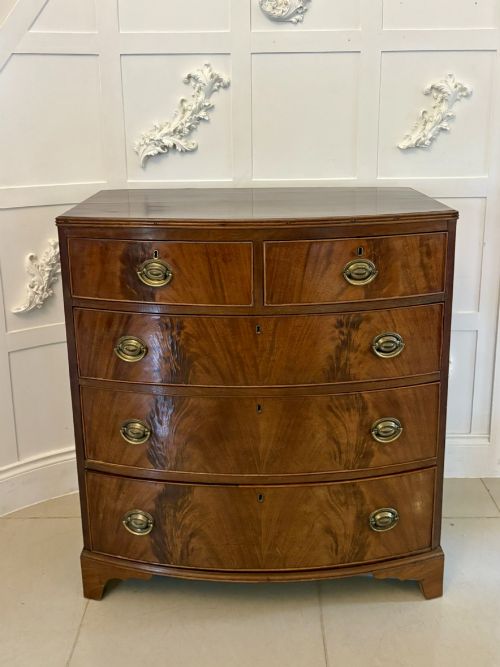


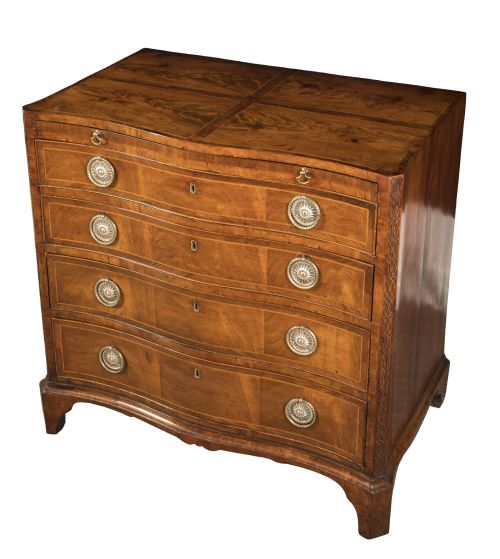


Figured Mahogany Dresser
These figured mahogany dresser pieces bring rich grain and historic craftsmanship into your rooms, offering both practical storage and striking character.
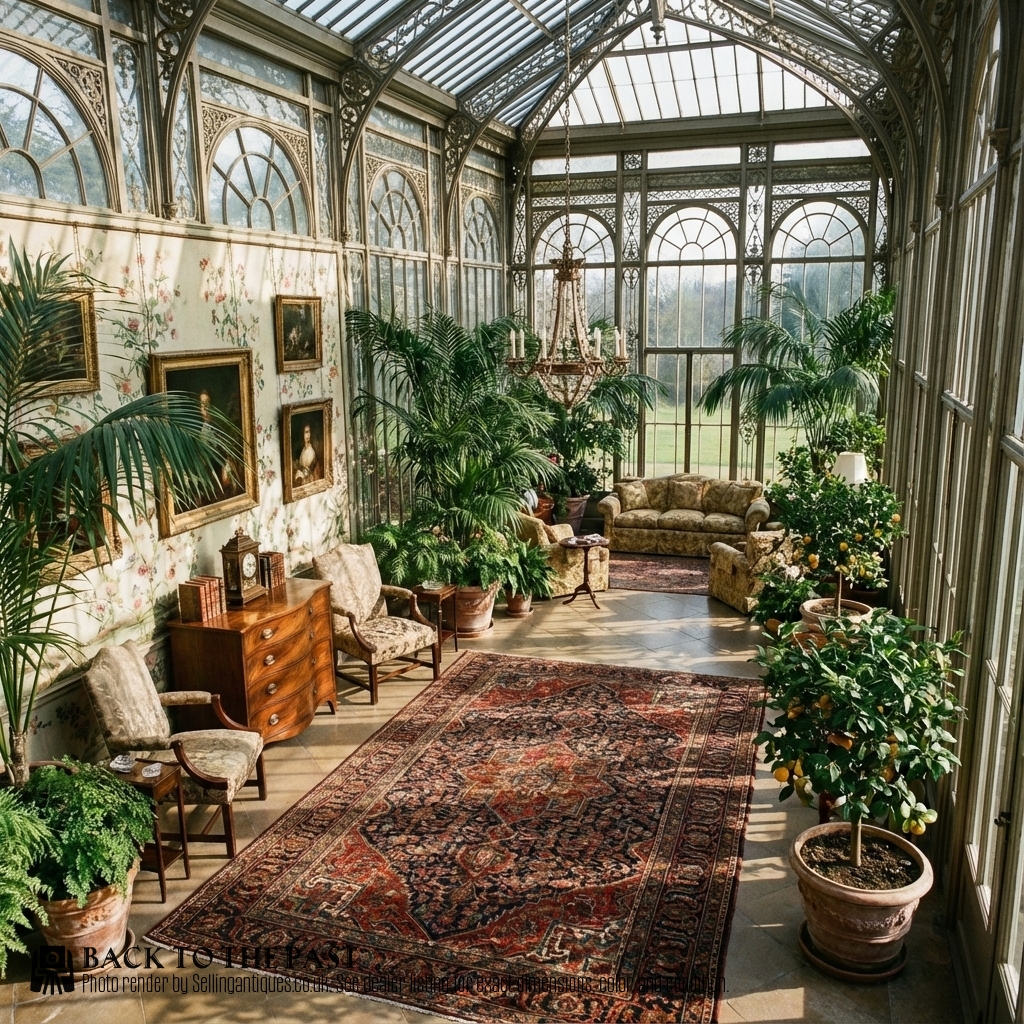
Figured Mahogany Dresser
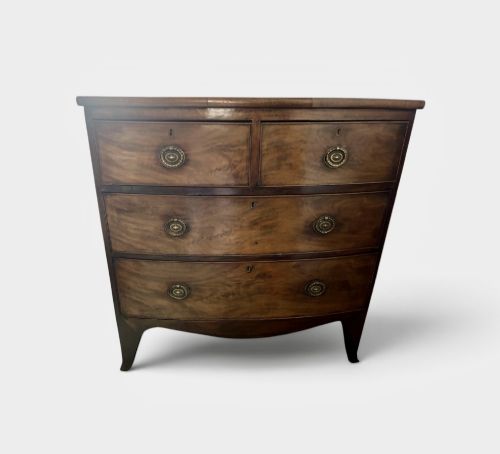
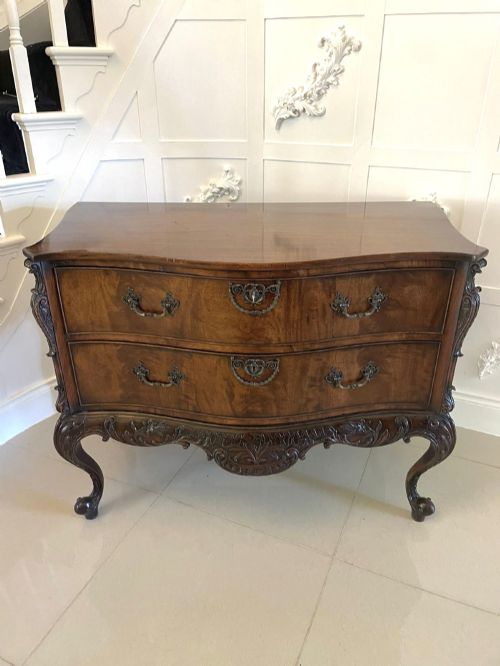
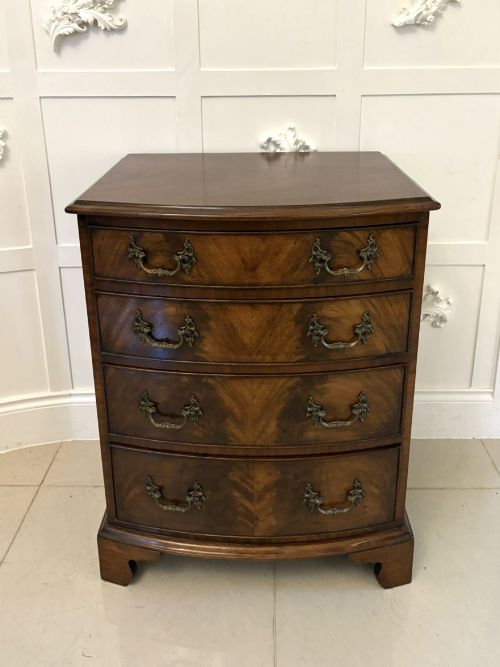
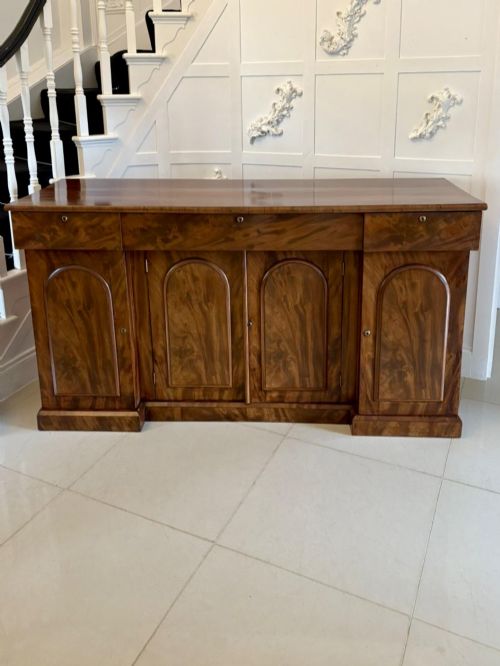
A figured mahogany dresser typically manifests as a chest of drawers or a sideboard, showcasing the distinctively patterned timber that defines the category. Buyers searching for a figured mahogany dresser encounter forms ranging from Georgian serpentine chests to Victorian sideboards and Edwardian bow front designs.
The pieces on offer span the eighteenth century, Regency period, and nineteenth century, alongside later Edwardian and Art Deco examples. Most commonly, you will meet chests of drawers featuring bow fronts or serpentine shapes, constructed in rich timbers.
Construction and Materials
Construction relies heavily on mahogany and its decorative veneers, including flame mahogany veneer applied over solid wood foundations. Cabinetmakers utilised these timber layers to create dynamic grain patterns across drawer fronts and large surfaces.
Metal hardware, particularly brass handles, provides functional contrast to the dark wood. Additional materials such as marble occasionally appear on specific forms within the wider selection of sideboards and cabinets.
The listings encompass items spanning the eighteenth century, Regency, Victorian, Edwardian, and Art Deco periods.
Assessing Quality
Quality rests on the selection and placement of the wood veneer, where symmetrical flame patterns and rich figuring elevate the visual impact of a piece. The fluidity of the cabinetwork, especially in complex serpentine or bow front profiles, distinguishes finer examples from simpler constructions.
Proportion and the handling of edge details also dictate the tier of a piece, separating standard utility furniture from sophisticated items designed for prominent domestic spaces.
Bowman Brothers
The Figured Mahogany Dresser Glossary
- Figured mahogany
- Timber featuring natural irregularities and patterns in the grain, highly prized for decorative furniture surfaces. This grain creates undulating visual movement across drawer fronts.
- Serpentine front
- A cabinet front that curves outward in the centre and concavely at the sides. This shape requires advanced woodworking skill to execute cleanly.
- Bow front
- A convex curved front projecting outward in an arc. It is a common feature on chests of drawers from the Georgian and Regency periods.
- Slide
- A pull-out shelf integrated into the furniture frame, typically positioned above drawers. It served as a writing surface or a temporary resting place.
Figured Mahogany Dresser: Frequently Asked Questions
What periods do these pieces come from?
The selection spans from the eighteenth century through the Regency and Victorian eras, extending into Edwardian and Art Deco periods.
Earlier examples often display George III or Georgian stylistic traits, while later pieces reflect the design shifts of the nineteenth and twentieth centuries.
How do I identify a serpentine front?
A serpentine front curves outward in the middle and inward near the edges, creating an undulating silhouette.
This contour demands precise carpentry and is frequently seen on higher-quality chests of drawers.
Where were these pieces used?
They served primarily in domestic bedrooms, dining rooms, and hallways as functional storage units for clothing, linens, or tableware.
Sideboards and larger cabinets were designed specifically for dining spaces, while chests of drawers suited private chambers.
What is figured mahogany?
Figured mahogany refers to timber boards containing natural grain distortions that create flame, feather, or fiddleback patterns.
Cabinetmakers selected these cuts specifically for prominent exterior surfaces like drawer fronts to maximise visual appeal.