
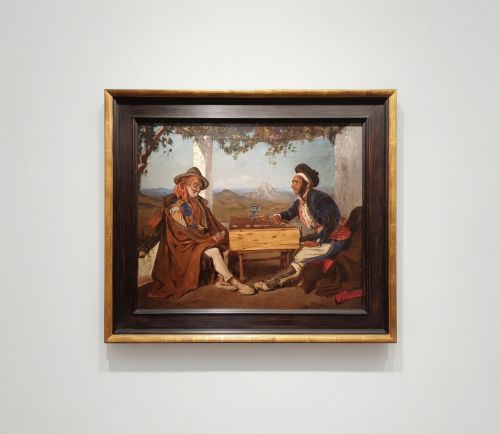
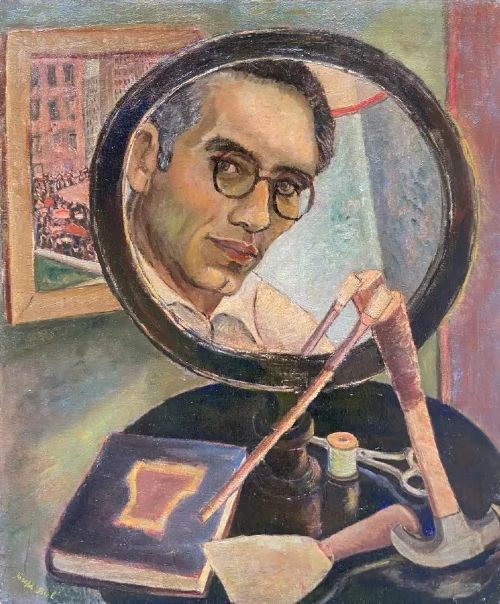
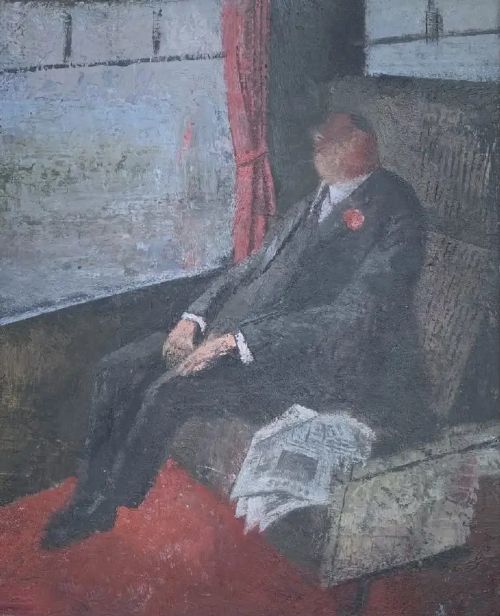
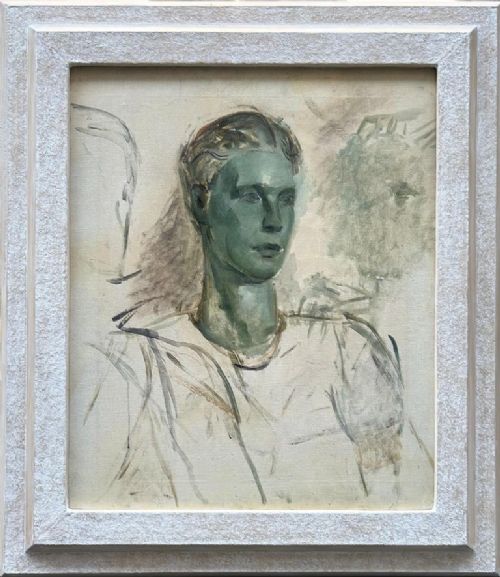
Figurative Oil Portrait Art
Figurative oil portrait art brings human presence and historic character into a room through layered brushwork and enduring pigments.
Figurative Oil Portrait Art
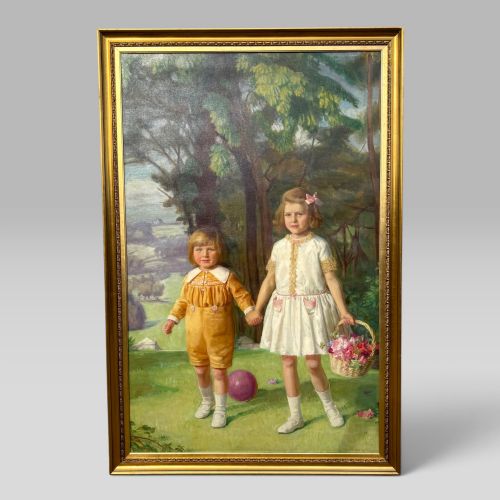
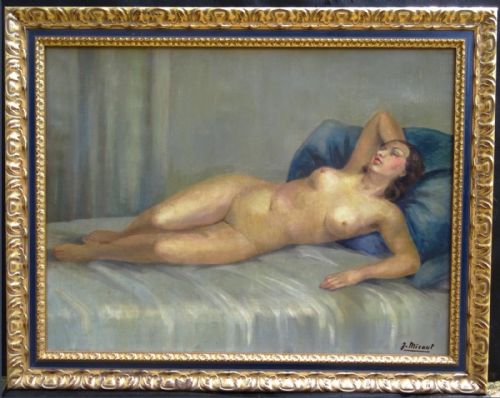
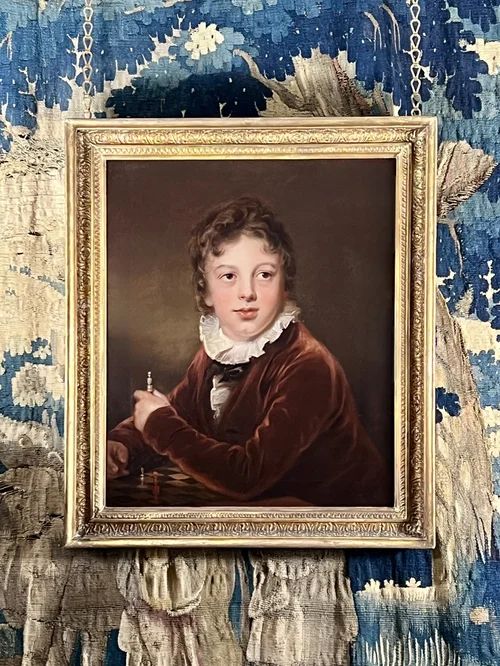
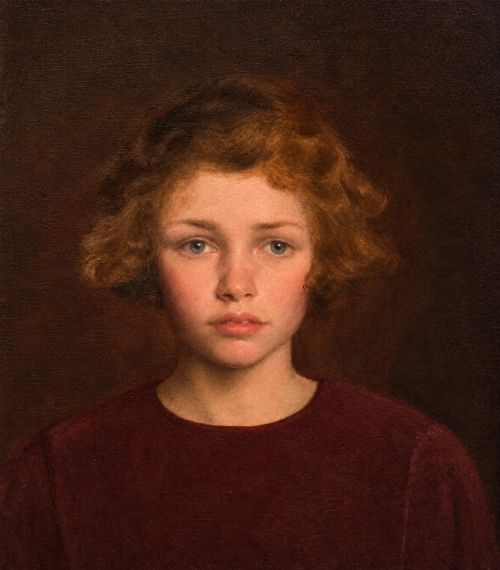
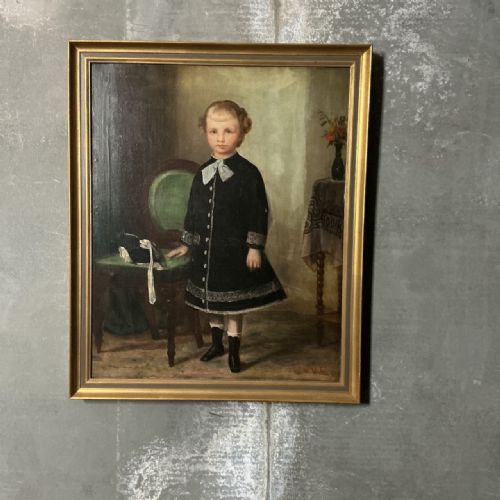
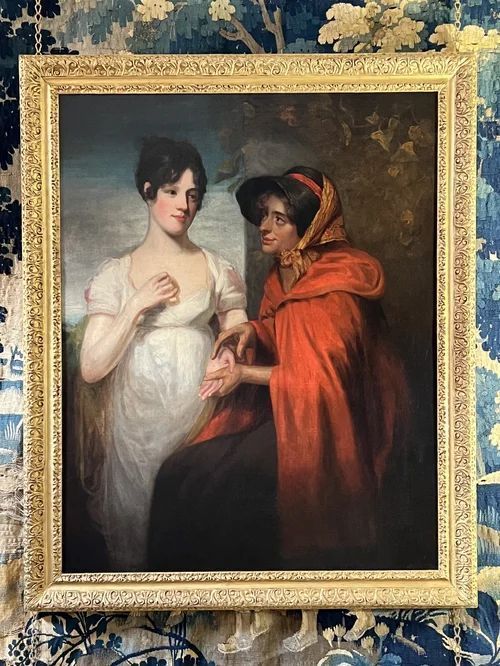
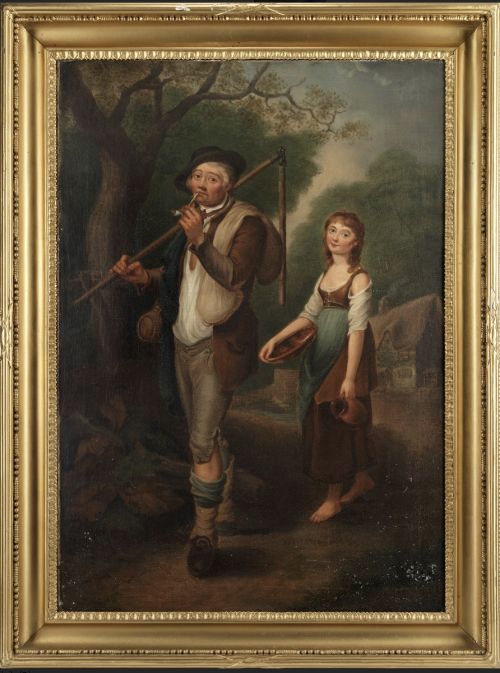
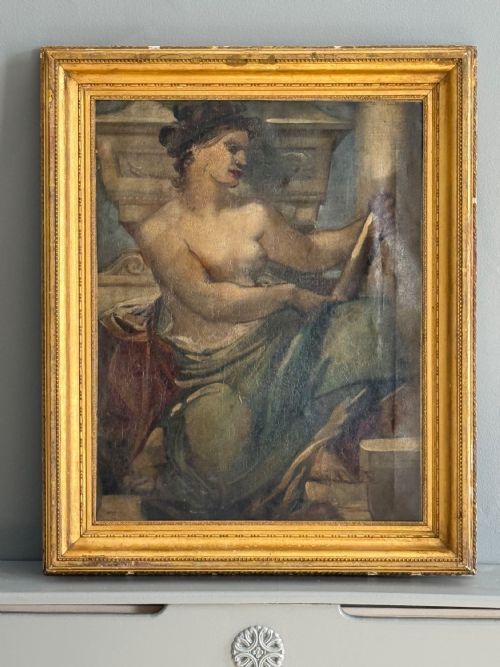
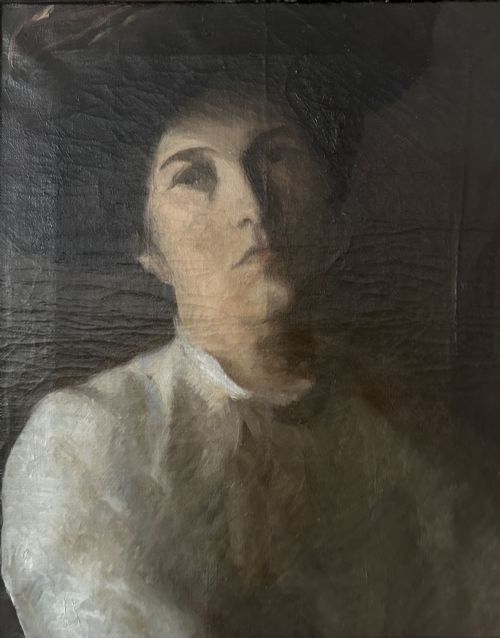
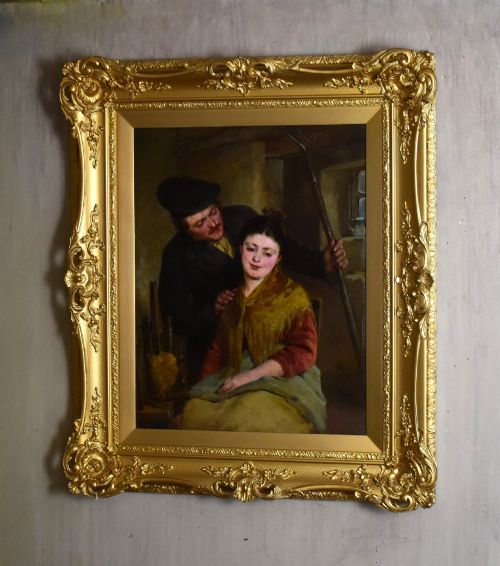
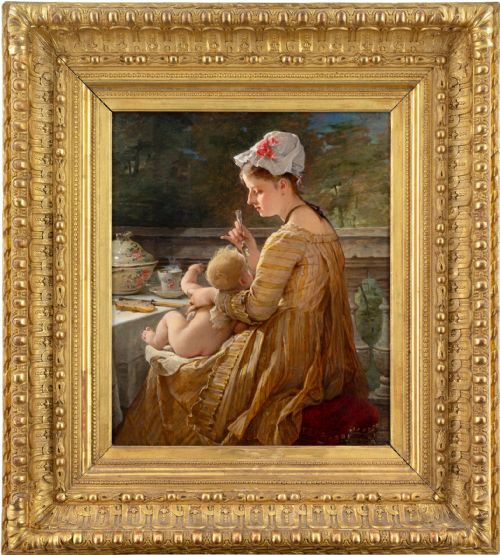
When you search for figurative oil portrait art, you encounter centuries of painted likenesses, character studies, and genre scenes depicting human subjects. The selection spans from formal depictions of gentlemen and ladies to informal studies of children, workers, and models.
The pieces on this page originate across distinct periods, ranging from the seventeenth century through the Victorian era and into the mid-twentieth century. You will find works categorized under styles such as Victorian, Georgian, Modern British, and Academic Realism.
Object types vary from standalone portrait paintings and fine art panels to detailed genre works and self-portraits. Each piece captures a specific individual or type, reflecting the social context and artistic conventions of its time.
Materials and methods
These works are executed primarily in oil paint upon canvas or wooden panels, utilising the rich consistency of oil to build depth, shadow, and luminosity. Artists layered pigments to render flesh tones, fabrics, and background details with varied opacity.
Frames play a structural and aesthetic role, with many pieces housed in original or period giltwood and gold leaf frames that complement the composition. The physical support of woven canvas or solid wood underpins the survival of these paintings across centuries.
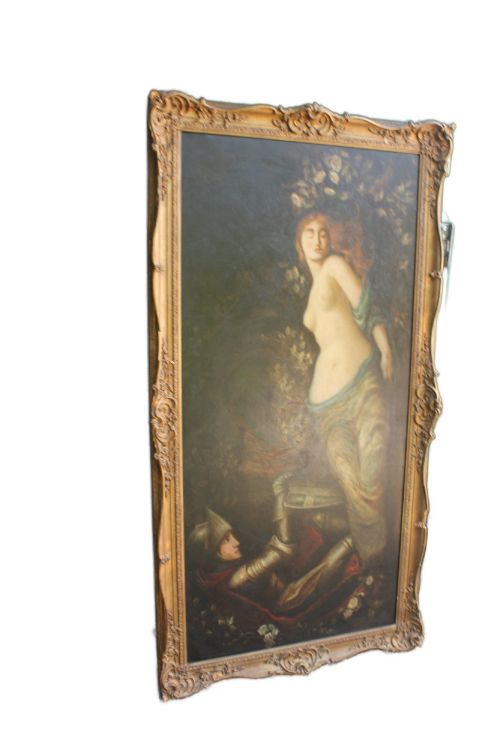
The selection includes academic realism, Pre-Raphaelite works, and Modern British portraiture set within period gilt frames.
Factors that distinguish individual works
Quality in these works rests upon the precision of drawing, the handling of light and shadow, and the psychological depth captured in the subject's expression. A master hand achieves convincing anatomy and subtle tonal transitions that bring the figure to life.
The distinction between a standard studio piece and a finer work lies in the confidence of the brushwork and the harmony of the composition. Preservation of the original paint layer and the character of the accompanying period frame also influence the overall standing of a piece.
JOHN OPIE R.A·Constantyn Netscher·Thomas Barker of Bath·Adelaïde Salles-Wagner·Joseph Biel·Oilver Messel·Herbert Ashwin Budd·Louis Charles Verwee·Charles Stuart Forbes·Lena Gurr·Winifred Rymer·Henry Windsor Fry·Christine Nesbit·William Oliver·William Jones of Bath·Charles James McCall·Renato Moretti·Philip Naviasky·William Watt Milne·Ronald Ossory Dunlop·JOHN. A. MONTEITH·Byam Shaw·Charles Zacharie Landelle·Raymond Moritz·William Arthur Breakspeare
The Figurative Oil Portrait Art Glossary
- Genre painting
- A style of painting that depicts scenes from everyday life, often featuring ordinary people engaged in common activities. These works offer a window into social history and domestic routines.
- Impasto
- A technique where paint is laid onto an area of the surface in thick layers, usually thick enough that the brush or painting-knife strokes are visible. It adds tactile dimension and texture to the surface.
- Giltwood
- Wood that has been treated with gold leaf or gold paint for decorative effect. It is commonly found on traditional frames surrounding antique paintings.
- Academic Realism
- A style of painting produced under the influence of European academies of art, emphasising precise anatomical accuracy, polished finishes, and classical themes.
- Pre-Raphaelite
- A style associated with a nineteenth-century group of English painters who rejected academic rules in favor of detailed observation, bright colours, and serious subject matter.
Figurative Oil Portrait Art: Frequently Asked Questions
What defines a genre painting?
A genre painting portrays aspects of everyday life by depicting ordinary people in work or leisure settings. These scenes focus on human stories rather than formal portrait commissions.
They provide insight into past social conditions, clothing, and domestic environments through narrative details.
How do I identify the period of a portrait?
Period identification relies on the sitter's costume, hairstyle, and the surrounding props or interior decor. Clothing styles changed distinctly across the eighteenth, nineteenth, and twentieth centuries.
Artist signatures, canvas types, and framing methods further help narrow down the date of creation.
How should I care for an oil painting?
Oil paintings require stable indoor environments away from direct sunlight and extreme temperature fluctuations. Dust should be removed gently from the canvas and frame using a soft, dry brush.
Avoid using water or chemical cleaners on the paint surface, as moisture damages traditional oil layers.
What is the role of the frame?
The frame protects the edges of the canvas and completes the visual presentation of the artwork. Many antique portraits retain their original giltwood frames, which reflect the aesthetic tastes of the period.
Matching a painting to a period-appropriate frame enhances its historical integrity.