






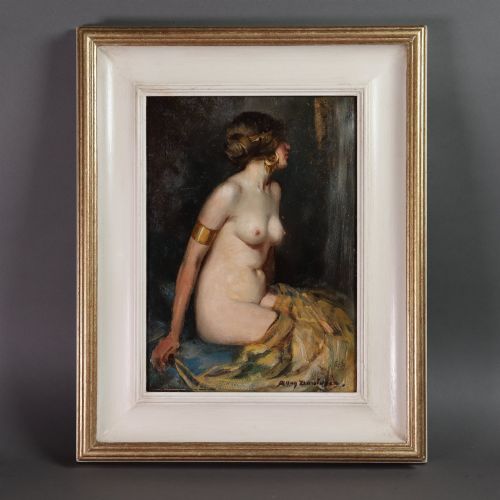
Figurative Oil on Wood
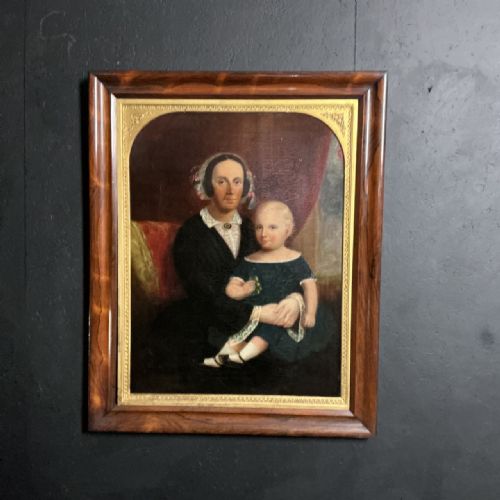
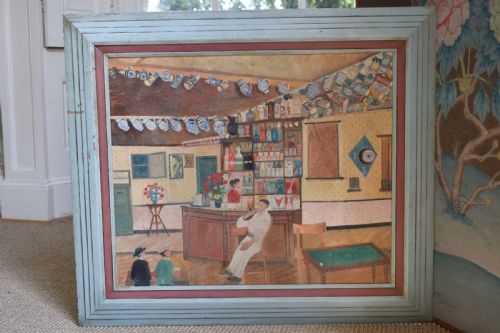
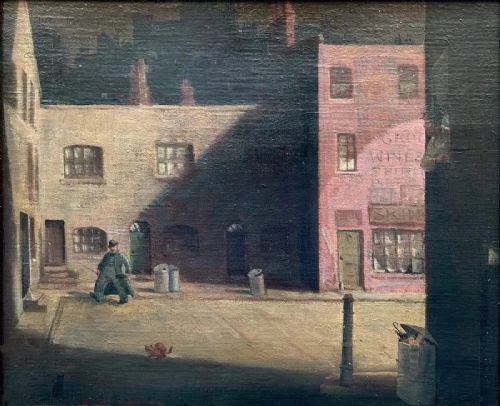
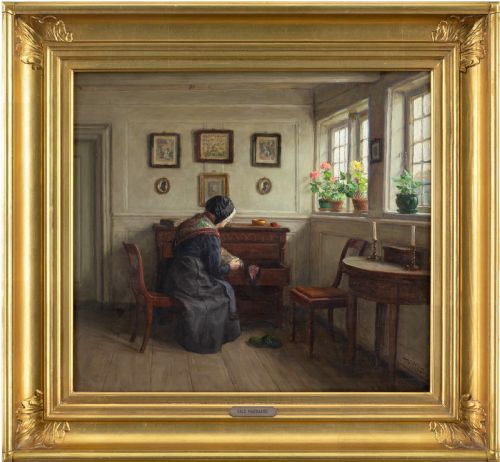
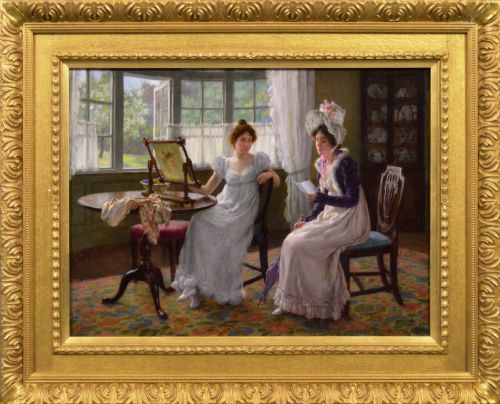
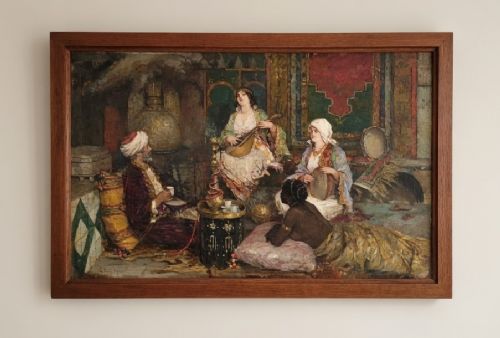
These pieces of figurative oil on wood bring domestic interiors, quiet portraits and narrative scenes directly onto solid wooden panels.
Figurative Oil on Wood
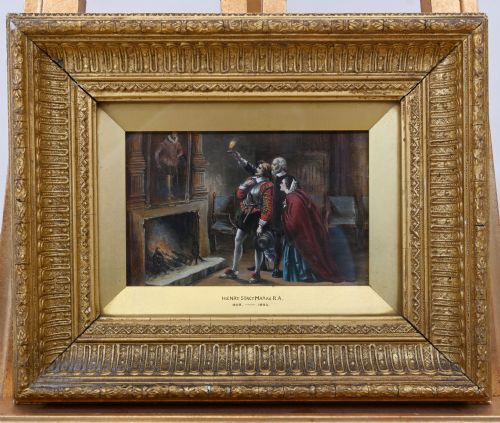
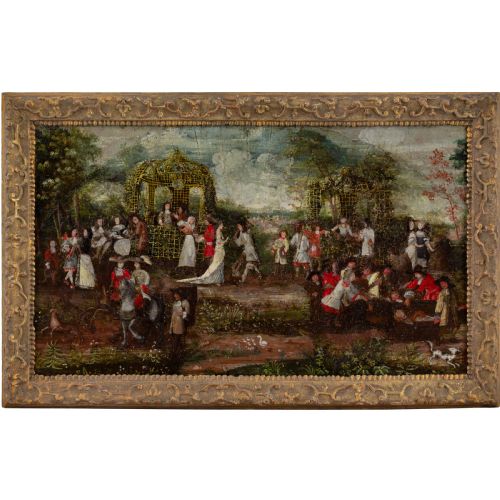
When searching for figurative oil on wood, buyers encounter works ranging from late seventeenth-century Flemish panels to twentieth-century impressionist and surrealist compositions. The selection centres on oil paint applied to wooden surfaces, capturing human subjects in interior rooms, gardens and social gatherings.
Most examples originate from the nineteenth and early twentieth centuries, spanning Victorian genre painting, post-impressionism and academic styles. Subjects include country house interiors, seaside gatherings, nudes and historical genre scenes executed with considerable detail.
The supports vary from traditional wood panels and boards to repurposed fan leaves, providing a firm foundation that held pigment through successive artistic movements.
What Varies in Quality
Quality rests upon the execution of the human figure, the depth of the interior or exterior space, and the handling of light across fabric and flesh. Stronger works demonstrate confident brushwork and anatomical clarity.
The preparation of the wood panel and the preservation of the original paint layer determine the integrity of the surface over centuries. Superior pieces retain crisp details without heavy overpaint obscuring the artist's initial mark.
Figurative Oil on Wood Retail Price Guide 2026
Typical asking prices for figurative oil on wood among the pieces listed under this phrase on Sellingantiques today, from the lower quarter to the upper quarter. They describe what is for sale here now, not the wider market.
Artists occasionally painted domestic scenes on repurposed fan leaves, turning functional fashion accessories into miniature interior narratives.
Stephen Samuel Lewin·Francisco Sancha·Valdemar Magaard·Allan Douglas Davidson·Charles Haigh Wood·Gabriel Puig Roda·James Kyd·James Clark·Phillip Krevoruck·Hans Temple·Paul Leon Jazet·Albert Guillaume·Frank Moss Bennett·Willem Johannes Martens·Kenneth B Malpass·Eva Hollyer·Carlo Ferranti·Edmund Alphonse Andre·Donald Wood·Robert Alexander Hillingford·Bernard Meninsky·Gaston Bouy
The Figurative Oil on Wood Glossary
- Panel
- A flat piece of wood used as a support for painting instead of canvas. It offered artists a rigid surface that resisted sagging.
- Genre painting
- The pictorial representation of scenes from everyday life, typically involving ordinary people in domestic or social settings. These works often tell a narrative story.
- Gesso
- A paint mixture consisting of a neutral binder mixed with chalk, gypsum, or pigment used to prepare wood surfaces for painting. It created a smooth, absorbent ground.
- Giltwood
- Wood that has been treated with gold leaf or a gold-coloured finish. It frequently appears on the decorative frames enclosing these paintings.
Figurative Oil on Wood: Frequently Asked Questions
What is a figurative oil on wood painting?
These artworks depict human figures rendered in oil paint on a wooden support. They capture people in interiors, landscapes, and narrative settings.
The medium of wood panel provided painters with a rigid base that allowed for meticulous detail and lasting stability.
How do I care for an oil painting on wood?
Keep the panel away from direct sunlight, extreme heat sources, and damp environments. Stable room temperatures prevent the wood from expanding and contracting.
Dust the surface gently with a soft, dry brush and avoid using liquid cleaners on the paint or the wooden panel.
How can I tell the age of these paintings?
Dating relies on the style of dress, the framing materials, and the preparation of the reverse side of the wood panel. Examining the type of wood and any maker stamps helps confirm the period.
Clothing and interior furnishings depicted in the subject matter often provide clear clues to the decade of creation.
Were these paintings always framed?
Most of these panels were housed in bespoke wooden or gilt frames designed to protect the vulnerable edges of the timber. Frames often underwent replacement over the centuries as interior tastes shifted.
Original frames complement the period of the artwork and contribute to the overall presentation of the piece.