

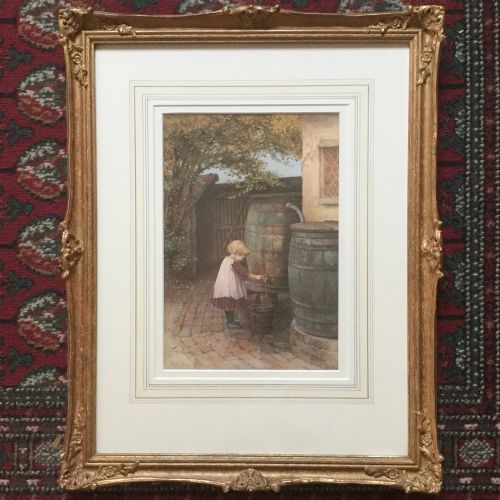


Figurative Art Print
A figurative art print captures human presence and form on paper, offering character and narrative depth to domestic walls.
Figurative Art Print
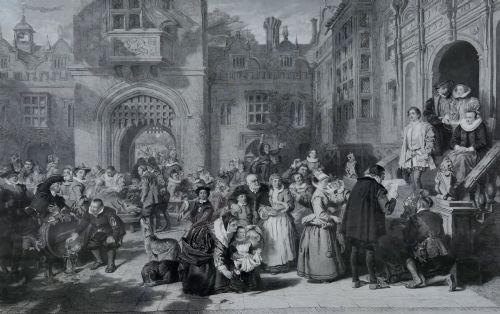
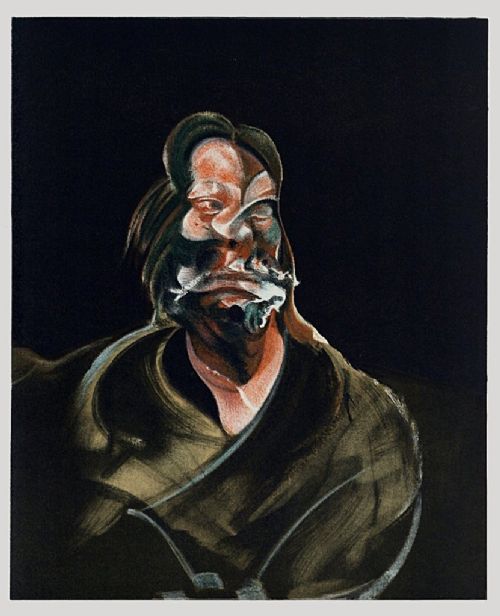
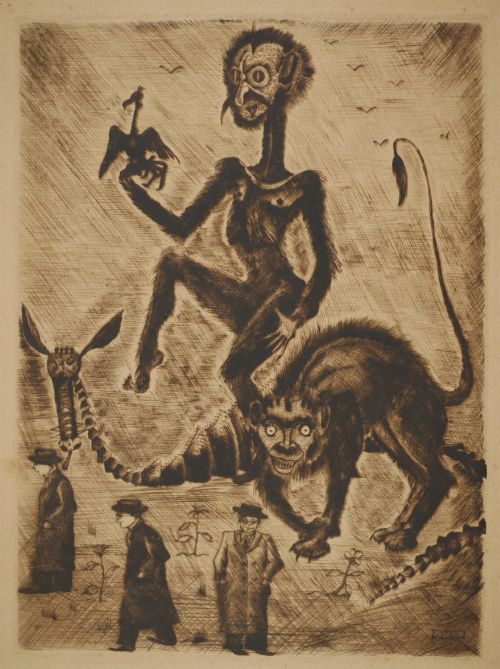
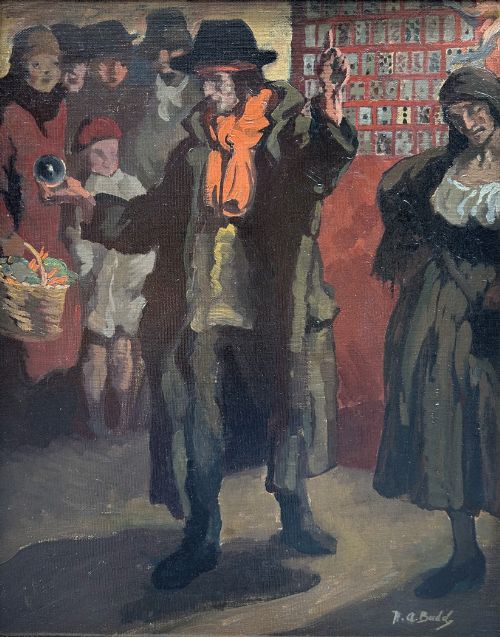
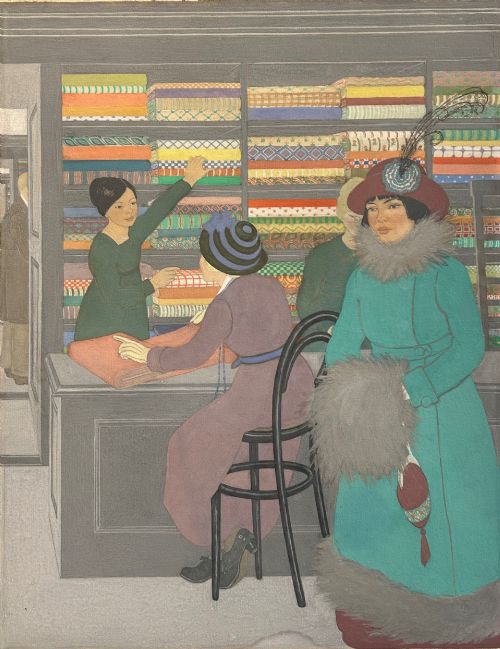
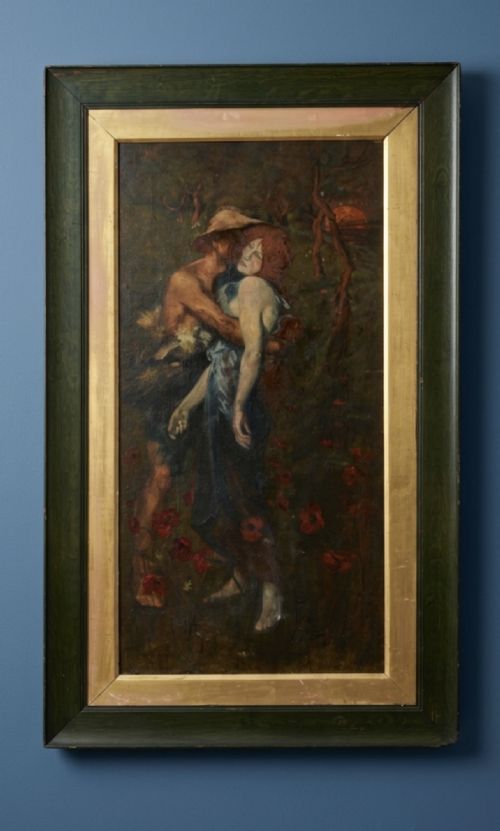
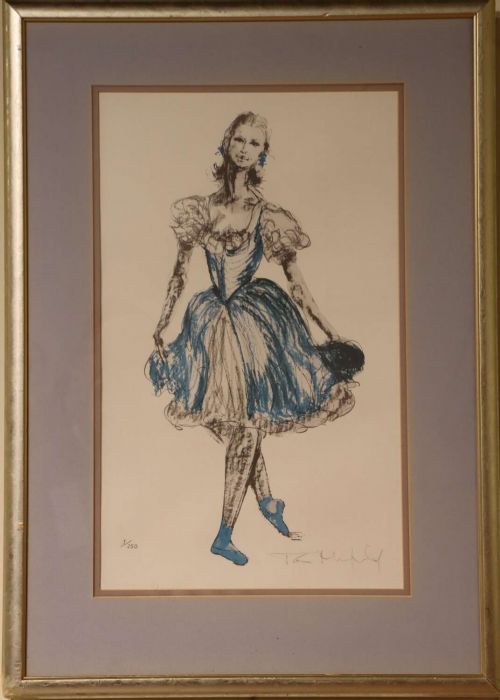
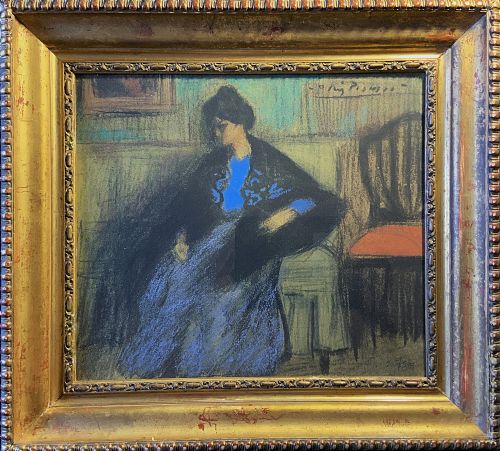
A figurative art print represents human subjects, from portraits to narrative scenes, executed through various graphic and painterly techniques. When you search for a figurative art print, you encounter examples spanning from the nineteenth century through to the mid-twentieth century.
The selection ranges from Victorian engravings and Edwardian advertising prints to Surrealist etchings and mid-century lithographs. Framed examples often retain period framing, such as original Hogarth mouldings or giltwood surrounds, which complement the imagery.
Subjects stretch from classical myth and literary illustration to contemporary dancers, intimate domestic interiors, and portraits of recognisable figures. These pieces reflect the prevailing aesthetic movements of their respective decades, including Pre-Raphaelitism, Modernism, and Surrealism.
Materials and production methods
The works rely heavily on paper surfaces combined with ink, lithography, etching, and woodblock techniques. Many pieces incorporate hand-colouring or watercolour washes applied over printed lines.
Framing materials commonly include wood, glass, and gilt accents, preserving the delicate paper or canvas layers beneath. Crystoleoms employ specific layered painting techniques beneath convex glass to create depth.
Reproduction methods span mezzotints, woodblock printing, pochoir, and oileographs, reflecting both commercial output and fine art printmaking traditions.
Figurative Art Print Retail Price Guide 2026
Typical asking prices for figurative art print among the pieces listed under this phrase on Sellingantiques today, from the lower quarter to the upper quarter. They describe what is for sale here now, not the wider market.
Listings feature works spanning the nineteenth century through to 1960, utilising mediums such as oil on canvas, paper, ink, and gilt wood.
Differentiating quality
Quality rests in the crispness of the impression, the fidelity of the line work, and the preservation of the paper or pigment. Early pulls from an engraved or etched plate display sharper detail than later, worn impressions.
The integration of the frame significantly affects the piece, particularly where original period frames or signed editions by notable artists are retained. Hand-finished touches, such as original watercolour highlights over lithography, elevate the artistry beyond standard commercial reproductions.
Kurt Lorein Victor Peiser·Herbert Ashwin Budd·Pablo Picasso·Edward Stodart·Louis Icart·Kees van Dongen·Markey Robinson
The Figurative Art Print Glossary
- Lithography
- A planographic printing process based on the antipathy of oil and water, enabling detailed tonal reproductions of original paintings. Artists draw directly onto a limestone slab or metal plate to create the image.
- Etching
- A printmaking technique where lines are bitten into a metal plate with acid before ink is applied and pressed onto paper. This method allows for fine, expressive line work.
- Mezzotint
- A tonal printmaking method of the intaglio family where the plate is roughened to produce rich dark areas and subtle gradations of light. It was frequently used in the nineteenth century to reproduce oil paintings.
- Pochoir
- A stencil-based colouring technique used to apply vibrant, precise hues to prints. It was particularly popular in the early twentieth century for art deco and modernist editions.
- Crystoleom
- A Victorian process where an albumen photograph or print is made transparent, adhered to convex glass, and meticulously hand-painted from behind. The resulting image possesses a luminous, three-dimensional quality.
Figurative Art Print: Frequently Asked Questions
How do I identify the age of a print?
Examine the paper quality, printing technique, and framing style, comparing them against known production methods of specific periods like the Victorian era or the 1930s.
Signatures, publisher marks, and dated inscriptions on the margins or reverse also provide reliable chronological markers.
Are these works original pieces or copies?
The category includes both original prints pulled directly from plates created by the artist and reproductive prints executed by master engravers after famous paintings.
Signed limited editions represent direct artistic output, whereas advertising prints or plates after oil paintings serve as historical reproductions.
How should I care for framed paper artwork?
Keep framed pieces away from direct sunlight to prevent fading of the ink, paper, and hand-applied watercolours.
Maintain stable indoor humidity levels to protect both the delicate paper substrate and any antique wooden or gilt frames.