

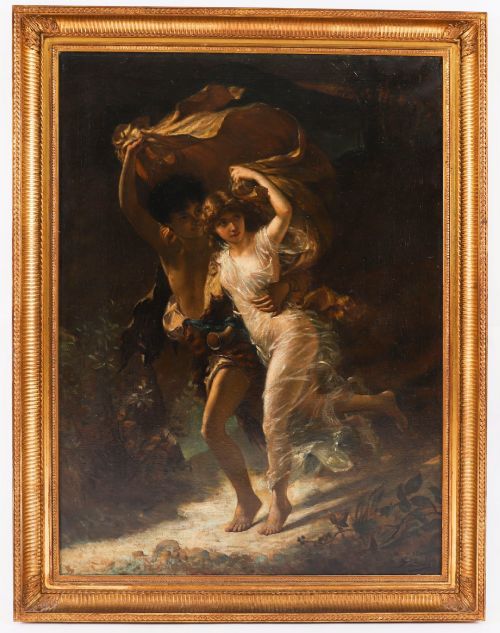
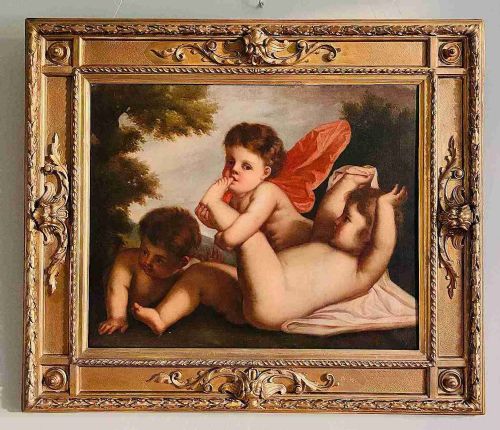
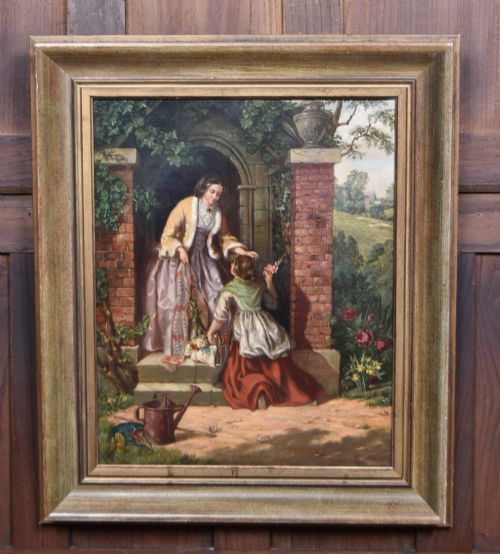
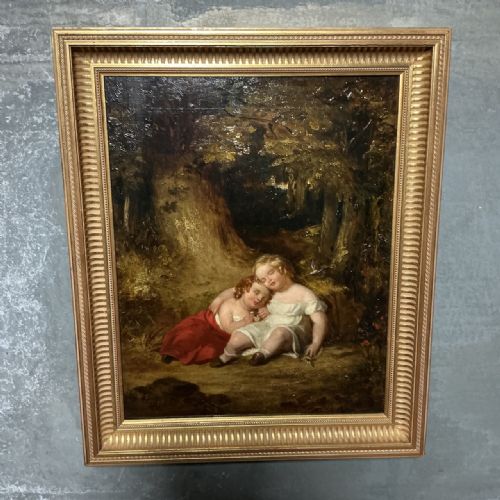
Figurative Art Painting
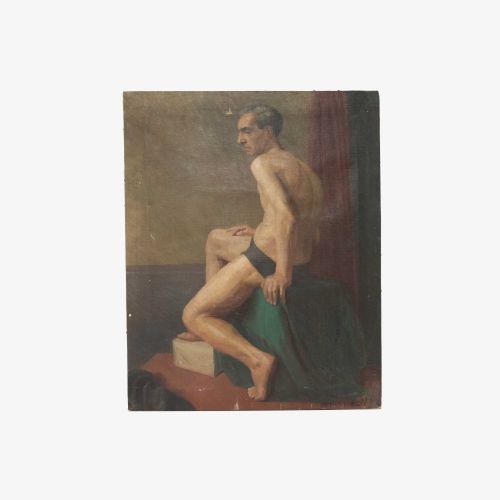
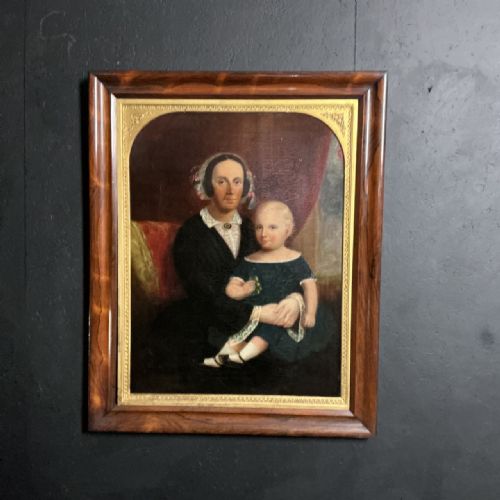
Figurative art painting captures human presence and narrative across centuries, offering buyers enduring portraits and genre scenes.
Figurative Art Painting
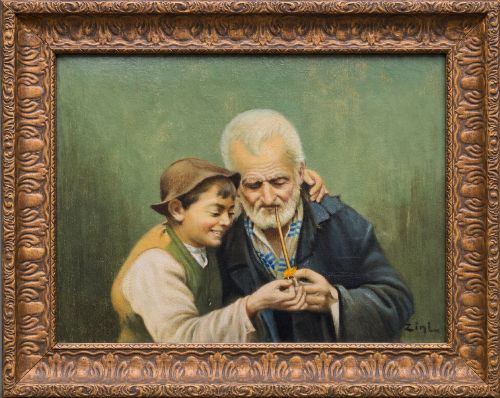
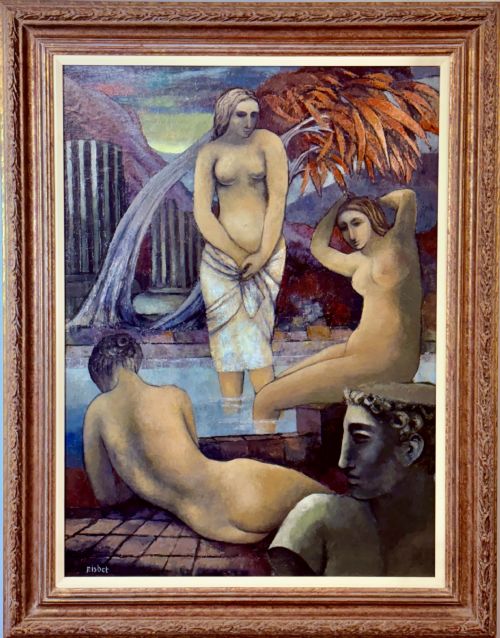
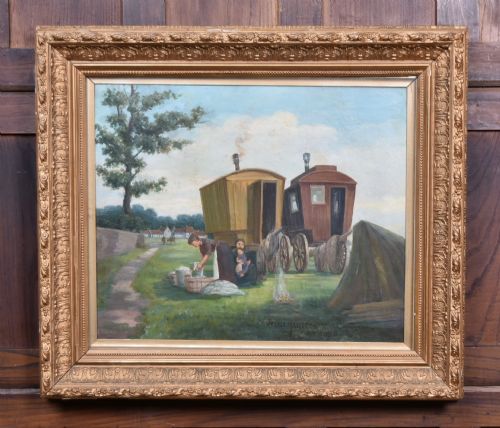
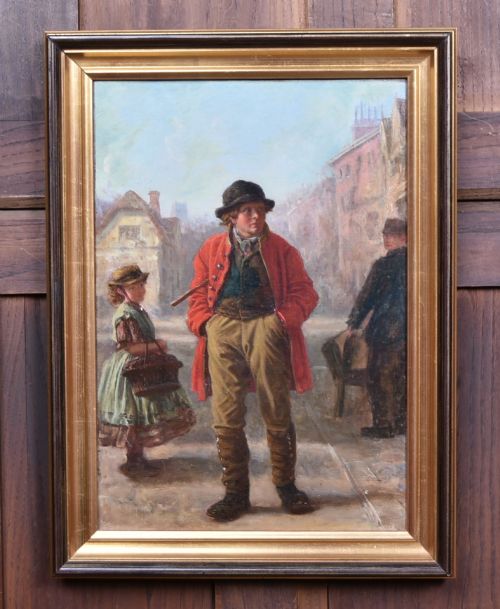
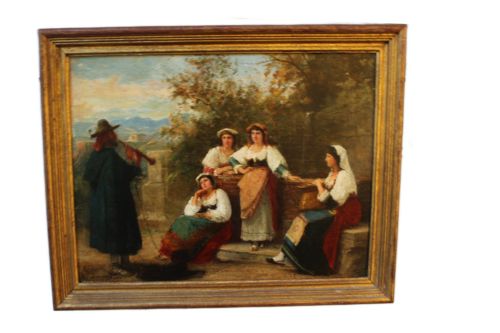
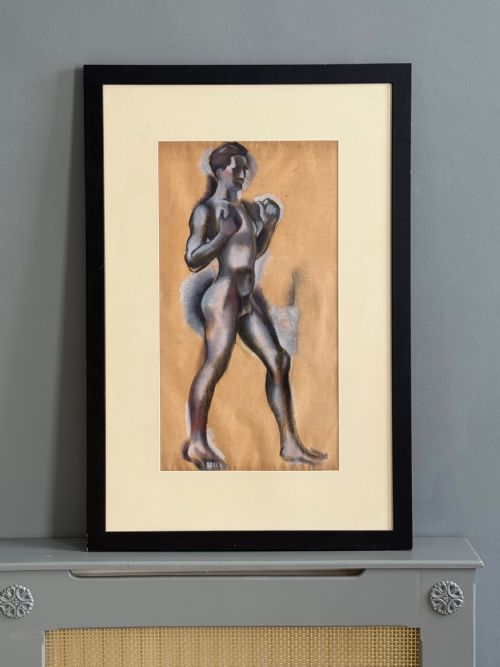
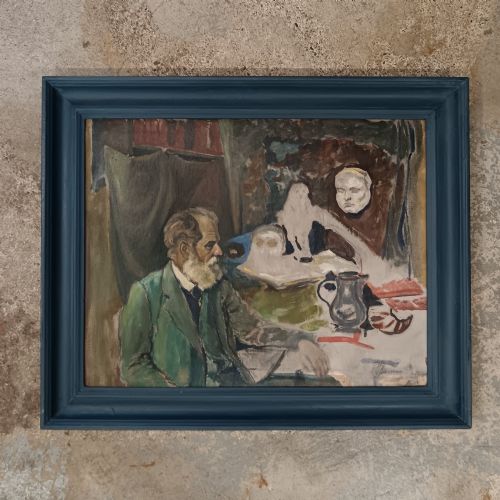
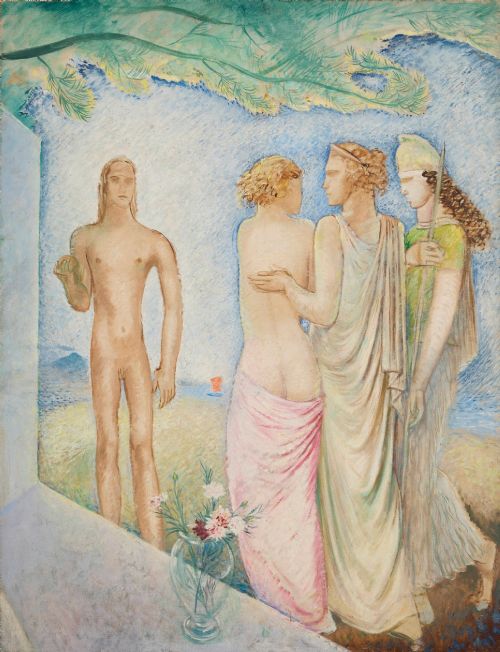
A figurative art painting centres on human subjects, ranging from formal portraiture and intimate domestic interiors to theatrical genre scenes and pastoral gatherings. When exploring this selection, buyers encounter works spanning from the sixteenth century through to the mid-twentieth century.
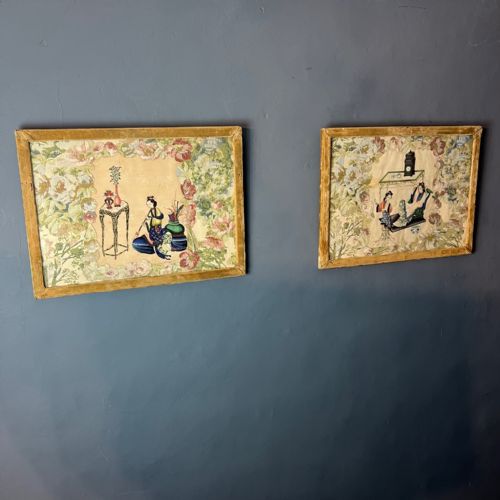
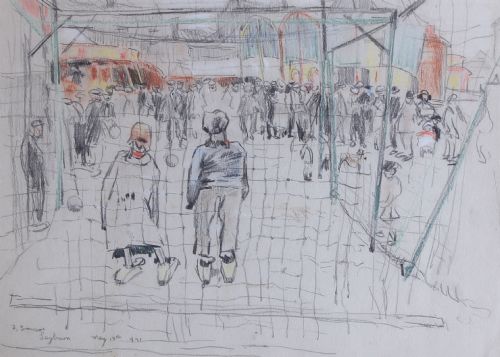
The material formats vary between oils applied to canvas or wood panels and delicate watercolours on paper. These pieces capture historical dress, social occasions, mythology, and everyday life through the vision of named artists and the broader British and continental schools.
Materials and methods
Artists built these compositions primarily using oil paint on canvas or wooden panel supports, allowing for rich colour depth and layered glazing techniques. Watercolour on paper served as an alternative medium for lighter, more immediate studies and coastal marine subjects.
Many works retain their original gilt or giltwood frames, which contribute structurally and aesthetically to the presentation of the artwork. Infrared analysis occasionally reveals underdrawing beneath the surface paint layers of older pieces.
Figurative Art Painting Retail Price Guide 2026
Typical asking prices for figurative art painting among the pieces listed under this phrase on Sellingantiques today, from the lower quarter to the upper quarter. They describe what is for sale here now, not the wider market.
Several canvases capture domestic animals and pets quietly sharing the composition with their human subjects.
Distinguishing quality
The standard of execution in figure drawing, facial expression, and anatomical proportion determines the strength of the piece. Confident brushwork and atmospheric command distinguish accomplished studio works from routine production.
Condition plays a role, particularly the stability of the canvas and paint layer, alongside the harmony and period appropriateness of the surrounding frame.
George F Bird·John Opie·Margaret Sarah Carpenter·Philip Naviasky
The Figurative Art Painting Glossary
- Genre painting
- A style of painting depicting scenes from ordinary life, often involving domestic interiors or social gatherings. These works focus on narrative elements rather than formal portraiture.
- Oil on canvas
- A traditional painting technique where pigments suspended in oil are applied to a stretched woven fabric support. This method allows for extensive blending and reworking.
- Watercolour
- A paint medium where colour pigments are suspended in a water-soluble vehicle, typically applied to paper. It yields transparent washes and subtle tonal shifts.
- Giltwood
- Timber that has been coated with a thin layer of gold leaf or gilt powder. It provides a decorative and protective border for traditional paintings.
Figurative Art Painting: Frequently Asked Questions
What defines a figurative art painting?
A figurative art painting portrays recognizable human subjects, activities, or narratives rather than purely abstract or geometric designs. These pieces range from individual portraiture to complex multi-figure historical and genre compositions.
Subjects often reflect the social context, clothing, and artistic conventions of the period in which the artist worked, capturing specific human moments.
How should I care for an oil painting?
Oil paintings require stable indoor environments away from direct sunlight, excessive heat sources, and high humidity. Maintaining consistent conditions helps prevent warping in wooden panels and cracking in the paint layer.
Dusting should be done gently with a dry, soft brush, avoiding any moisture, chemical cleaners, or abrasive cloths that might damage the surface glaze.
How do I identify the age of a painting?
Dating relies on stylistic clues, including the sitter's costume, hairstyles, framing materials, and the preparation of the canvas or panel. Signatures, inscriptions, and exhibition labels on the reverse also offer historical context.
Technical analysis such as infrared scanning or pigment testing can provide additional scientific confirmation for older works.
Are watercolours framed differently than oils?
Watercolours on paper require protection behind glass to prevent atmospheric damage, dust, and moisture from degrading the paper support. They are typically mounted with acid-free mats to keep the paper from touching the glass directly.
Oil paintings on canvas or wood are generally displayed unglazed to allow the textured surface of the paint to be seen clearly.