




Figural Mantel Ornament
A figural mantel ornament brings a sculptural narrative to a room, cast in bronze or ceramic to anchor the fireplace.
Figural Mantel Ornament
When you search for a figural mantel ornament, you encounter a diverse array of sculptural objects designed to sit upon a fireplace shelf. These pieces range from nineteenth-century French bronzes and classical pairs to early twentieth-century Art Deco figures cast in spelter.
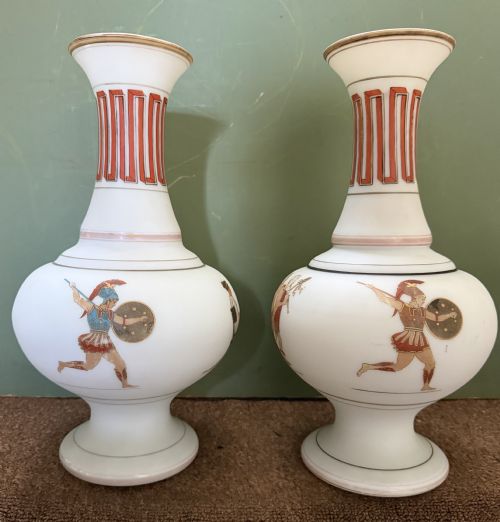
The selection encompasses ceramic bisque figures, porcelain cherubs, and grand classical statuary alongside modest Continental vases with painted vignettes. French works from the nineteenth century predominate, often depicting mythological figures, children, or dancers.
Buyers frequently find matched pairs intended to frame a clock or mirror, as well as single statues that command the centre of the shelf. Each item uses human or animal forms to introduce narrative and character into domestic interiors.
Materials and construction
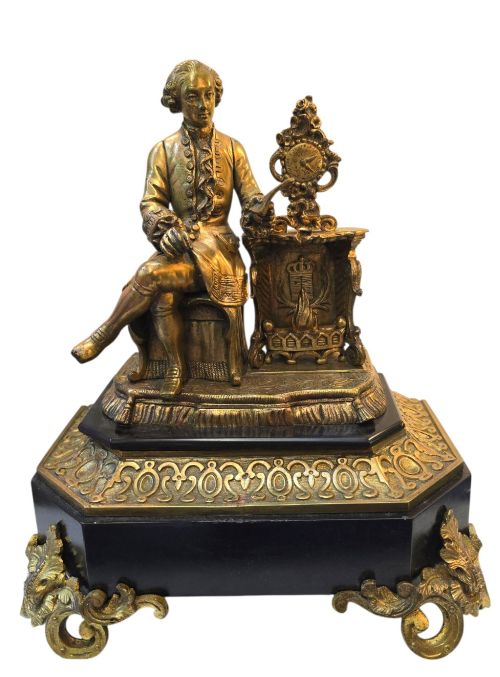
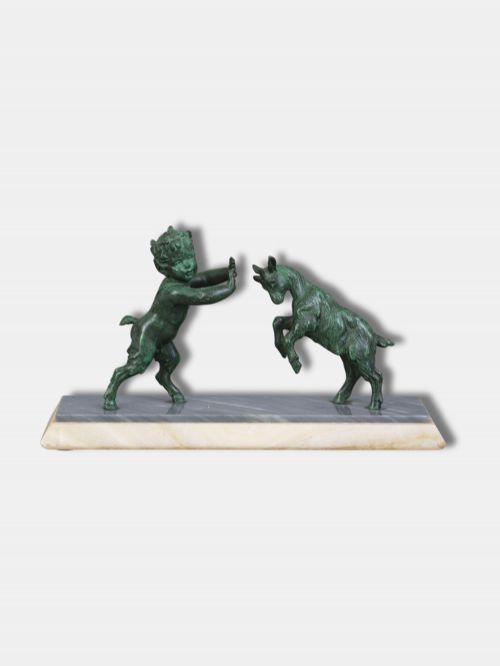
Foundry-cast bronze and spelter form the structural core of many metal pieces, frequently enhanced with gilt surfaces or patination. Sculptors modelled these figures in detailed relief before casting, sometimes mounting the resulting metalwork onto marble or alabaster bases.
Figural Mantel Ornament Retail Price Guide 2026
Typical asking prices for figural mantel ornament among the pieces listed under this phrase on Sellingantiques today, from the lower quarter to the upper quarter. They describe what is for sale here now, not the wider market.
Listings feature diverse materials including bronze, spelter, marble, porcelain, and Parian ware across the nineteenth and early twentieth centuries.
Distinctions in quality
Superior quality rests in the crispness of the casting and the sensitivity of the modelled detail. Finer bronzes show sharp definition in hair and drapery, whereas lesser metalwork relies on softer contours and heavier patination to conceal weaker execution.
Ceramic examples demonstrate quality through the delicacy of the moulding and the subtlety of hand-painted highlights. Exceptional pieces balance proportion and stance, ensuring the subject appears natural rather than rigid.
Pierre-Augustin Caron de Beaumarchais·Emile Carlier·Clodion·Royal Worcester·Vion and Baury·Copeland·Charles Korschann
The Figural Mantel Ornament Glossary
- Spelter
- A zinc alloy commonly utilised as a less expensive alternative to bronze during the nineteenth and twentieth centuries. It accepts patination well to imitate heavier metals.
- Bisque
- Unglazed ceramic porcelain that presents a matte, marble-like surface texture. It is frequently seen on nineteenth-century Continental figurines.
- Parian
- A fine white porcelain developed in the nineteenth century to imitate carved marble. It is named after Parian marble from the Greek island of Paros.
- Patina
- The surface sheen or coloration developed through age or chemical treatment on metal sculptures. It enhances the depth of the modelled details.
- Putto
- A plump, naked male child figure frequently depicted in classical art and Renaissance revivals. They appear often in pairs on nineteenth-century bronzes.
Figural Mantel Ornament: Frequently Asked Questions
What is a figural mantel ornament?
A figural mantel ornament is a decorative sculptural piece, such as a bronze figure, ceramic figurine, or vase with human motifs, designed to display on a fireplace shelf.
These objects combine artistic sculpture with decorative function, serving as focal points for nineteenth and early twentieth-century interiors.
How do I identify Art Deco pieces?
Art Deco pieces typically date from the 1920s and 1930s, featuring streamlined forms, geometric bases, and materials like spelter or alabaster.
Subjects often include stylised female figures, dancers, and mothers with children, reflecting the modern aesthetic of the interwar period.
Are these items sold as pairs?
Many metal and ceramic ornaments survive as matched pairs, originally manufactured to sit symmetrically on either side of a mantel clock.
Single figures also appear frequently, designed to stand alone as the central feature of the fireplace display.
How should I clean bronze ornaments?
Bronze ornaments require gentle dusting with a soft cloth to preserve the historic patina built up over decades of display.
Avoid using harsh chemical polishes or abrasive cleaners, which strip away the surface finish and diminish the value of the metalwork.