





Figural Ceramic Art
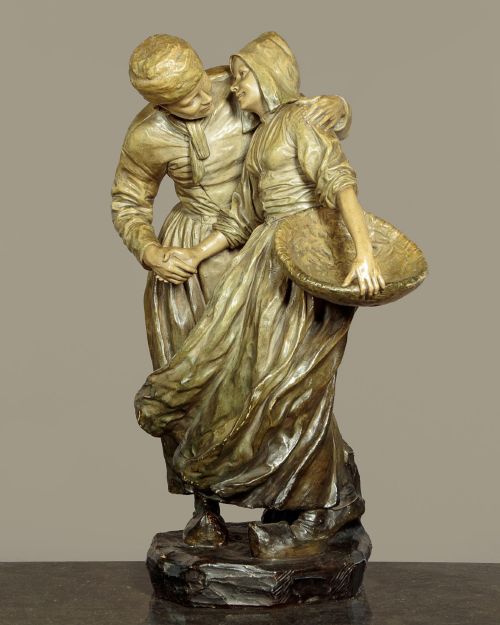
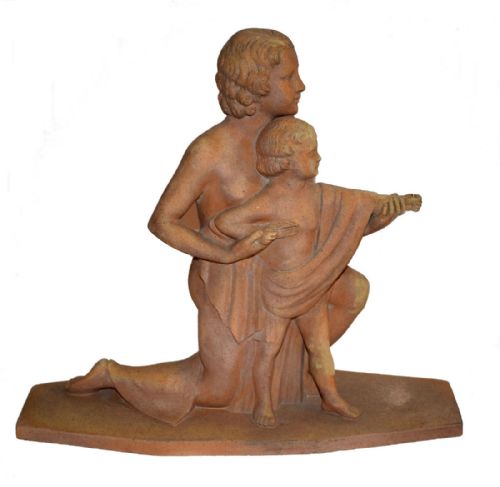
Figural ceramic art brings sculpted human and animal forms into household objects, offering character and period style.
Figural Ceramic Art
Figural ceramic art combines sculpture with functional or decorative pottery, spanning table lamps, centrepieces, vases and powder boxes. These pieces emerge from the nineteenth century through the Art Nouveau and Art Deco periods, capturing human and animal subjects in clay, porcelain and earthenware.
The selection here leans toward Art Deco and Art Nouveau designs alongside Japanese Meiji period wares and European terracotta groups. Buyers encounter figures integrated into oil lamps, centrepieces and powder boxes, reflecting the diverse output of European factories and Eastern workshops.
How they were made
Potters shaped these objects using terracotta, porcelain, earthenware and ceramic, applying paint, enamel, gilt and gold leaf for surface decoration. Sculptural elements were hand-modelled or cast in moulds before firing and glazing.
Factories like Royal Dux utilised specialised porcelain bodies, while terracotta groups required careful kiln firing to maintain structural integrity. Surface details often relied on hand-painted enamel and gilding applied over the glaze.
Figural Ceramic Art Retail Price Guide 2026
Typical asking prices for figural ceramic art among the pieces listed under this phrase on Sellingantiques today, from the lower quarter to the upper quarter. They describe what is for sale here now, not the wider market.
Listings feature periods spanning the nineteenth century, nineteen-ten, nineteen-twenties and nineteen-thirties, using porcelain, terracotta, earthenware and gold leaf.
What varies in quality
Artisanal execution in the application of gold leaf, enamel and glaze separates standard production wares from exceptional sculptural examples. The integration of the figure into the functional object, such as a lamp base or centrepiece, dictates the overall success of the piece.
Goldscheider·Royal Dux·Ernst Wahliss·Limoges·B Rezl
The Figural Ceramic Art Glossary
- Terracotta
- A porous fired red-brown clay body used for sculptural figures and planters. It is often painted or glazed.
- Bisque
- Unglazed fired porcelain or ceramic that has a matte, biscuit-like texture. It highlights delicate sculptural modelling.
- Gilt
- A thin layer of gold applied to the surface of ceramics or metal mounts. It adds decorative contrast to painted details.
- Earthenware
- Porous pottery fired at lower temperatures than porcelain. It requires a glaze to become impermeable to liquids.
- Centrepiece
- A large decorative object placed in the middle of a table. These often incorporate figural groups in porcelain.
Figural Ceramic Art: Frequently Asked Questions
What is figural ceramic art?
Figural ceramic art encompasses pottery and porcelain pieces that incorporate human or animal sculptures into their design. This includes lamp bases, centrepieces, vases and powder boxes.
These items range from nineteenth-century earthenware to Art Deco porcelain figures, combining decorative utility with sculptural form.
How do I date an Art Deco ceramic?
Art Deco ceramics typically date from the nineteen-twenties and nineteen-thirties, identifiable by geometric styling and streamlined forms. Signature marks and country of origin stamps often assist in narrowing the decade.
Makers such as Limoges and independent sculptors produced distinct figural powder boxes and statuettes during this era.
Where were Royal Dux pieces made?
Royal Dux pieces originated in Bohemia, part of modern-day Czech Republic. The factory produced large centrepieces, porcelain figures and Art Nouveau ornaments.
Their work is frequently recognised by distinctive pink triangular ceramic seals embedded in the clay base.