





Faux Marble Furniture
Faux marble furniture brings simulated stone finishes into the home, offering the decorative weight of marble without the true heft.
Faux Marble Furniture
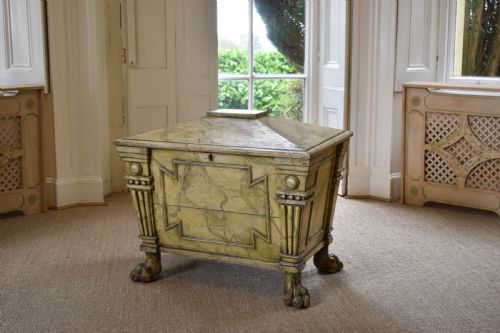
When you search for faux marble furniture, you encounter items designed to mimic solid stone surfaces through painted and finished techniques. The selection here spans the eighteenth century through to the nineteenth century, taking in Regency, Victorian, and French aesthetic movements.
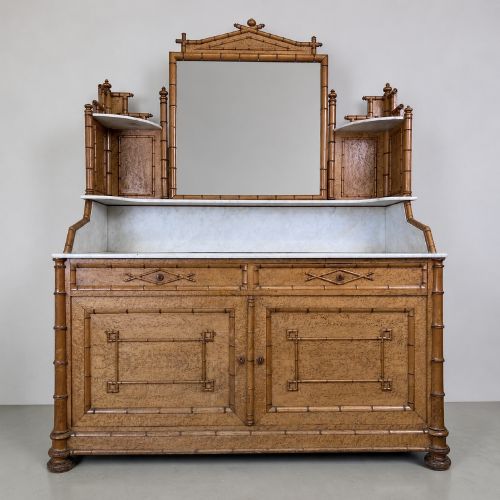
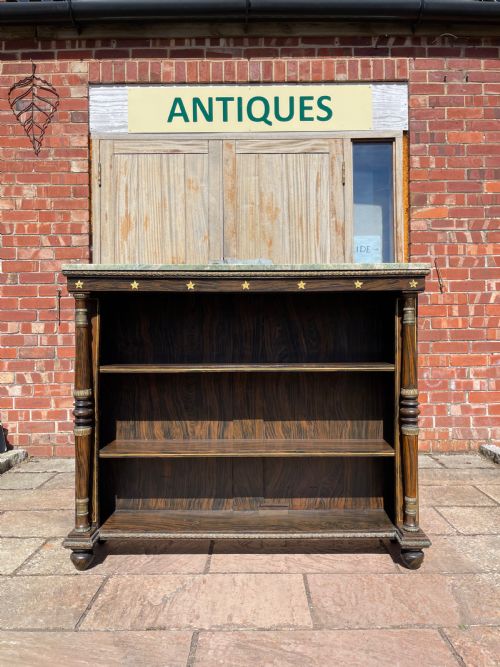
You are most likely to meet case pieces and bedroom furniture on this page, including washstands, dressing tables, and chests of drawers. Console tables and bookcases also appear, often finished with simulated paint or painted wooden tops.
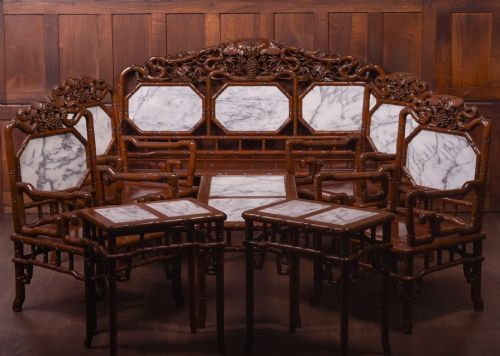
The regional origins of these pieces vary widely across Europe and beyond, featuring Italian neoclassical designs, French work, and Chinese export pieces. Materials range from pine and birds-eye maple to hardwood and brass accents.
How they were made
Cabinet makers utilised woods such as pine, rosewood, and birds-eye maple as a base for simulated finishes. Skilled painters applied grain finishes and painted faux marble tops to replicate the rich appearance of natural stone.
Detailing often included parcel gilding, carved bamboo motifs, and inset glass or leather elements. These construction methods allowed workshops to produce lighter, highly decorative items that echoed heavier neoclassical and Regency forms.
Faux Marble Furniture Retail Price Guide 2026
Typical asking prices for faux marble furniture among the pieces listed under this phrase on Sellingantiques today, from the lower quarter to the upper quarter. They describe what is for sale here now, not the wider market.
What varies in quality
Quality in faux marble furniture rests primarily on the skill of the surface finish and the integrity of the underlying timber. Pieces with retained original grain finishes show a higher degree of artisan skill in mimicking natural mineral patterns.
The sophistication of the joinery and the choice of secondary woods also separate standard items from finer examples. Regency and Italian neoclassical pieces often demonstrate superior proportion and carving compared to more utilitarian nineteenth-century bedroom pieces.
The Faux Marble Furniture Glossary
- Faux marble
- A decorative paint finish designed to imitate the veining and appearance of real stone. It was frequently applied to wooden tabletops and washstands to reduce weight and cost.
- Birds-eye maple
- A figured timber showing small knot-like markings that resemble tiny eyes. This wood was often paired with faux bamboo or painted elements in nineteenth-century pieces.
- Parcel gilt
- Woodwork partially covered with gold leaf or gilt paint to highlight carved details. It appears on Regency bookcases and console tables.
- Washstand
- A domestic piece of furniture designed to hold a basin and pitcher for washing. Many examples feature marble or painted faux marble tops to resist water damage.
- Simulated paint
- A surface treatment created to replicate more expensive materials such as porphyry or exotic woods. It requires careful layering and glazing by the painter.
Faux Marble Furniture: Frequently Asked Questions
What is faux marble furniture?
These items are wooden pieces finished with painted techniques to imitate solid stone surfaces. They provide the decorative look of marble while remaining lighter.
Craftsmen used paint and glazes on wooden tops to mimic natural mineral veining and colour variations.
How do I clean faux marble surfaces?
Painted and simulated stone surfaces require gentle dusting with a soft, dry cloth. Avoid harsh chemical cleaners that can damage the aged paint layers.
Keeping moisture away from the surface helps protect the original nineteenth-century grain finishes from lifting.
Where were these pieces used?
Most items were made for domestic settings such as bedrooms, parlours, and hallways. Washstands and dressing tables served private quarters, while console tables stood in reception rooms.
Export pieces and neoclassical designs also furnished grander townhouses and country residences during the Regency and Victorian periods.
How do I identify a period piece?
Dating relies on examining the construction methods, timber choices, and the specific style of the painted finish. Regency and eighteenth-century items often show different proportions to late nineteenth-century examples.
Original grain finishes and wear patterns provide strong clues to the age and origin of the piece.