



Farmhouse Timber Bench
A farmhouse timber bench brings honest utility and enduring grain to an interior, offering long-lasting seating built for everyday domestic life.
Farmhouse Timber Bench
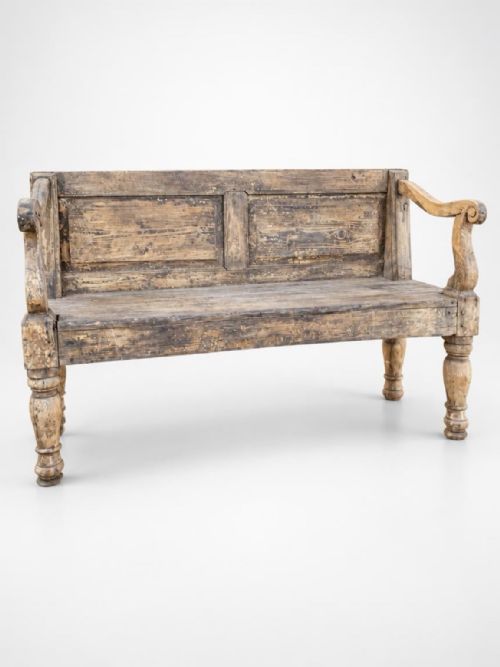
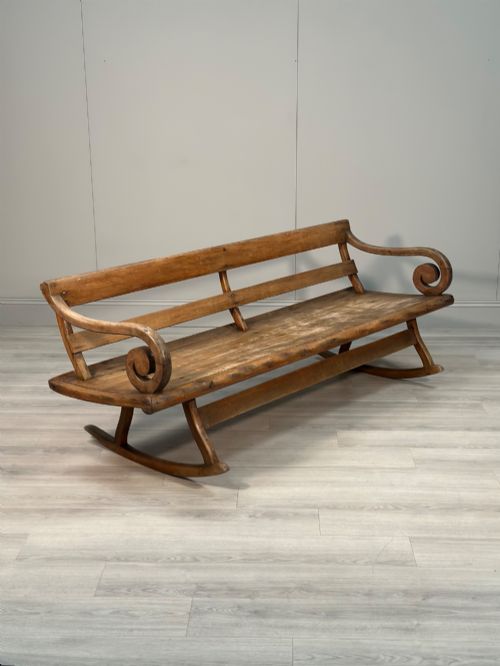
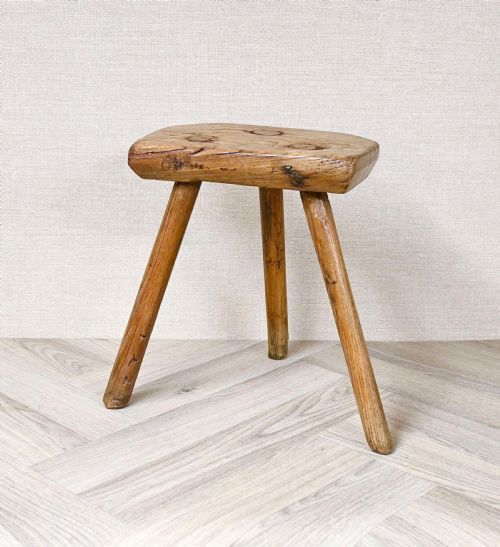
When you search for a farmhouse timber bench, you are looking at utilitarian seating designed for kitchens, halls, and communal dining spaces. These pieces range from simple plank constructions to high-backed settles intended to keep out draughts.
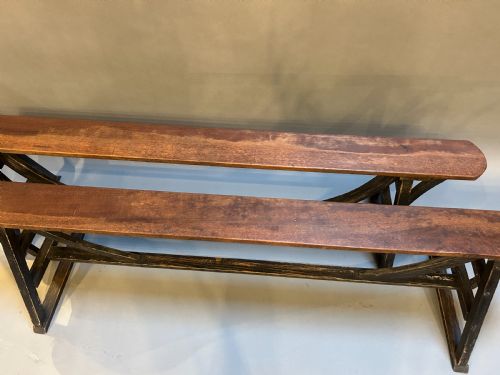
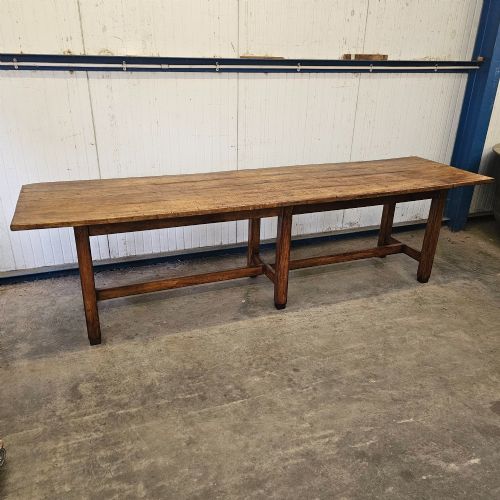
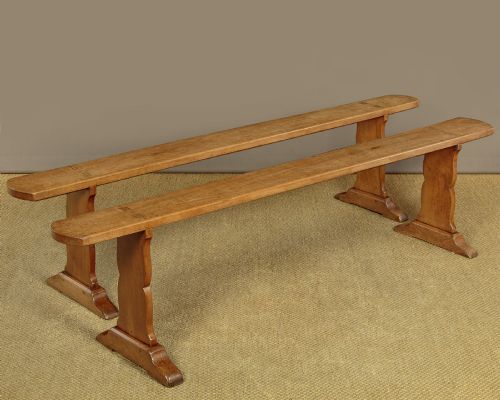
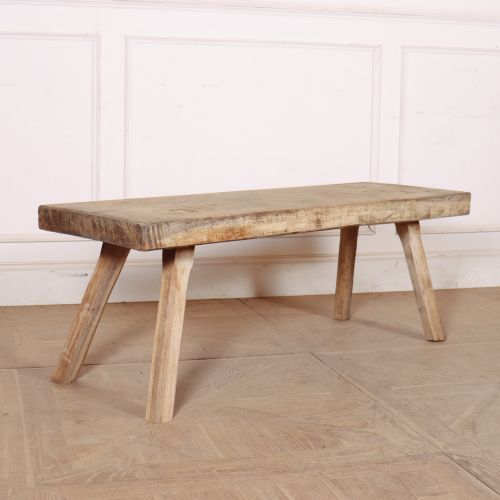
Many of these benches feature straightforward stretchers, simple slab seats, and scrubbed finishes that reveal decades of scrubbing and use. Some examples arrive as matched pairs, while others survive as singular workspace benches or settles with integrated storage compartments.
How They Were Made
Carpenters constructed these benches using solid domestic hardwoods and softwoods, selecting oak, elm, cherrywood, pine, and sycamore for their local availability and strength. Planks were joined using traditional pegged mortise and tenon joints or scratch-built methods suited to everyday service.
Surfaces were frequently left bare to be scrubbed clean with soap and water, though some examples retain traces of original paint or rich patination developed through continuous handling. Legs and underframes were turned or squared by hand, bracing heavy slab tops against lateral movement.
Farmhouse Timber Bench Retail Price Guide 2026
Typical asking prices for farmhouse timber bench among the pieces listed under this phrase on Sellingantiques today, from the lower quarter to the upper quarter. They describe what is for sale here now, not the wider market.
An eighteenth-century oak bench carries the dignified provenance of Bishopthorpe Palace in York.
What Varies in Quality
The distinction between ordinary utility seating and finer examples rests in the choice of timber and the integrity of the original construction. Dense heartwoods like oak and figured elm command greater respect than standard pine, especially when retaining their initial thickness without excessive board thinning.
Proportion and stance dictate visual success, separating workshop benches hastily put together from those balanced with considered joinery and sturdy stretcher placement. Surface preservation matters deeply, as a naturally scrubbed patina beats a stripped finish that has lost its historical character.
The Farmhouse Timber Bench Glossary
- Settle
- A wooden bench with high back, solid arms, and often a high panelled back to block cold drafts in domestic rooms. Some historic examples incorporate a hinged seat concealing a storage box beneath.
- Trestle
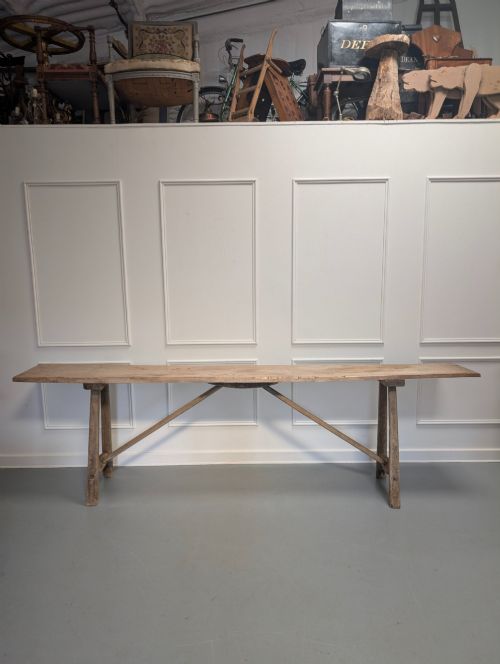
- A structural support consisting of a horizontal beam fixed to two splayed legs, commonly used to hold long plank tops for dining or work tables and benches.
- Scrubbed
- A surface finish achieved by vigorous cleaning with water and stiff brushes over generations, removing soft grain to leave a pale, textured, and tactile wooden top.
- Plank-top
- A surface constructed from wide boards joined edge to edge, displaying the natural grain, knots, and ageing of the original timber tree.
- Primitive
- A descriptive term for furniture made outside metropolitan workshops by local makers using basic tools, prioritising function over decorative refinement.
Farmhouse Timber Bench: Frequently Asked Questions
How do I style a timber bench at a dining table?
Position the bench alongside one side of a long dining table to create an open, uncluttered look that saves floor space when tucked underneath.
Pair it with mismatched chairs on the opposite side to embrace a relaxed, collected interior rather than a rigid matching suite.
Can I use an antique bench outdoors?
These historical benches are constructed for interior domestic, kitchen, or workshop use and lack modern weatherproofing treatments.
Exposing antique pine, oak, or elm to damp outdoor conditions will quickly rot the timbers and ruin the dry scrubbed patination.
How do I clean and maintain a scrubbed wooden seat?
Dust the timber regularly with a dry cloth and clean occasionally using a damp sponge with mild soap, drying it thoroughly afterwards.
Avoid modern chemical polishes or varnishes that seal the grain and alter the historic dry finish of the old wood.
How do I tell an 18th century bench from a later copy?
Examine the undersides and joints for hand-cut tool marks, pegged joinery, and natural timber shrinkage rather than modern mechanical screws or consistent machine milling.
Look for authentic wear patterns around the footrests and seat edges where generations of use have softened the sharp timber contours.