



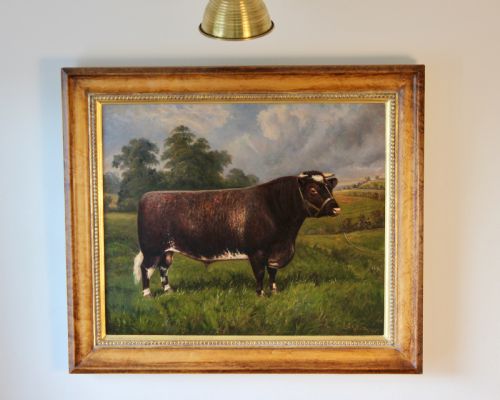


Farm Animal Wall Art
Farm animal wall art brings pastoral realism and 19th-century agricultural life directly into the home through oils and lithographs.
Farm Animal Wall Art
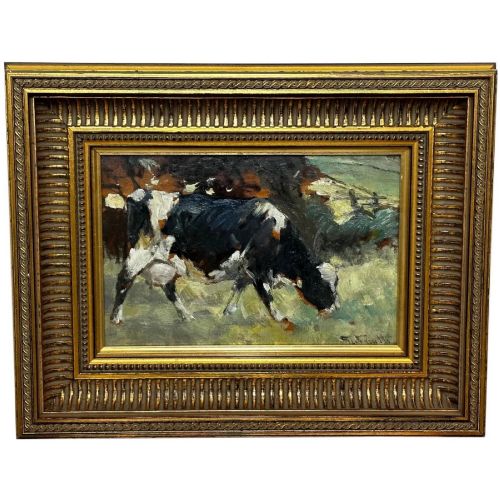
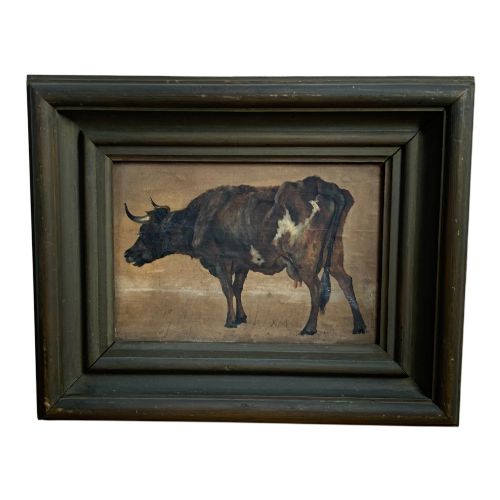
Buyers seeking farm animal wall art encounter a distinct selection of oil paintings, framed prints, and lithographs spanning the 18th to the early 20th centuries. These works record livestock, poultry, and rural scenes through artistic movements such as Victorian Rural Realism and Pastoral Realism.
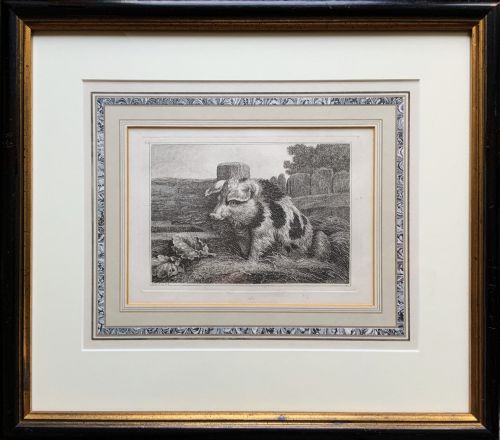
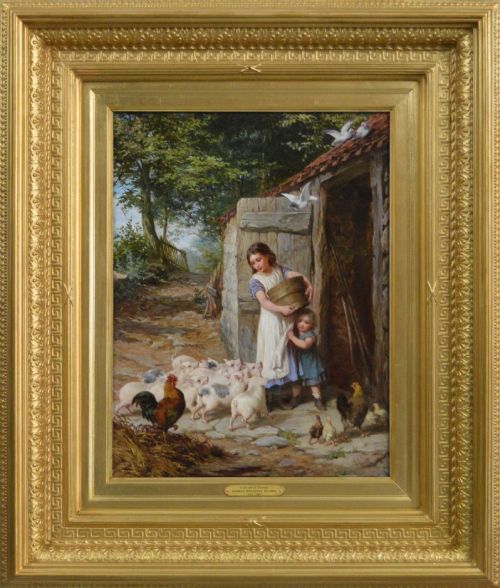
The majority of pieces met here originate from the 19th century, featuring horses, cattle, sheep, and pigs within country landscapes and farmyards. Works range from detailed studies of prize wethers to broader genre scenes of livestock sheltered in barns or gathered by streams.
Materials and techniques
The works rely primarily on oil paint applied to canvas or wood panels, capturing the textures of animal coats and rural settings through layered pigment. Artists utilised fine ink and paper for lithographs and etchings, often pairing these printed mediums with gilt or gold leaf frames.
Execution spans original hand-painted canvases by listed artists and followers, alongside period lithographs reproducing agricultural subjects. Support materials reflect traditional framing methods using wood to house both the canvas and paper works.
Farm Animal Wall Art Retail Price Guide 2026
Typical asking prices for farm animal wall art among the pieces listed under this phrase on Sellingantiques today, from the lower quarter to the upper quarter. They describe what is for sale here now, not the wider market.
Several Victorian canvases are dedicated entirely to the dignified portraits of prize-winning pigs and fluffy chicks.
Judging quality in these pieces
Quality differentiates through the precision of anatomical rendering in the animals and the depth of the surrounding landscape. Master hands command greater nuance in light, texture, and the naturalistic postures of livestock compared to simpler studio productions.
The integrity of the original medium, whether oil paint on canvas or a preserved period lithograph, marks the upper tier of the range. Surviving period frames and clear attributions to established painters or their immediate circles elevate the standing of a piece.
H. Strafford·J.W. Giles·Samuel Howitt·George Augustus Holmes·Franz van Severdonck·John Frederick Herring Jnr·Eugene Verboeckhoven·John Frederick Herring·Thomas Sidney Cooper·Edgar Hunt·W. A. Clark
The Farm Animal Wall Art Glossary
- Lithograph
- A print made from a design drawn on limestone or metal plate. This technique allows for faithful reproduction of original drawings and paintings.
- Etching
- An intaglio printmaking process where lines are incised into a metal plate with acid. The resulting plate holds ink to transfer fine linear details onto paper.
- Pastoral Realism
- An artistic style focusing on rural scenes and farm life. It depicts agricultural subjects and livestock with close attention to natural detail.
- Genre painting
- A category of art depicting scenes from everyday life. These works often feature human figures interacting with animals in domestic or farmyard settings.
Farm Animal Wall Art: Frequently Asked Questions
What periods do these artworks come from?
The selection spans from the 18th century through the Victorian era up to the 1930s. Most examples date from the 19th century.
Pieces range from early etchings and lithographs to late Victorian oil paintings depicting livestock and pastoral scenes.
How were these agricultural paintings used?
These artworks were created to adorn domestic interiors, often celebrating prized livestock, agricultural achievements, and rural life.
Landowners and farmers commissioned or collected portraits of specific animals to document prize-winning breeding stock.
How do I hang and display these framed artworks?
Display these pieces away from direct sunlight to protect oil paint and paper from fading over time. Ensure the wall structure supports the weight of traditional wood frames.
Keep them in stable room conditions to prevent moisture damage to the canvas, wood, or paper components.
How do I distinguish original oils from prints?
Original oil paintings exhibit visible brushstrokes and texture on the surface of the canvas or wood panel. Lithographs and etchings display flat printed ink patterns under close magnification.
Examining the edge of the medium under magnification reveals the raised pigment of oil paint versus the embedded ink of a print.