


Faceted Gemstone Gold Pendant
A faceted gemstone gold pendant brings together bright stones and warm metal, offering a wearable piece of history.
Faceted Gemstone Gold Pendant
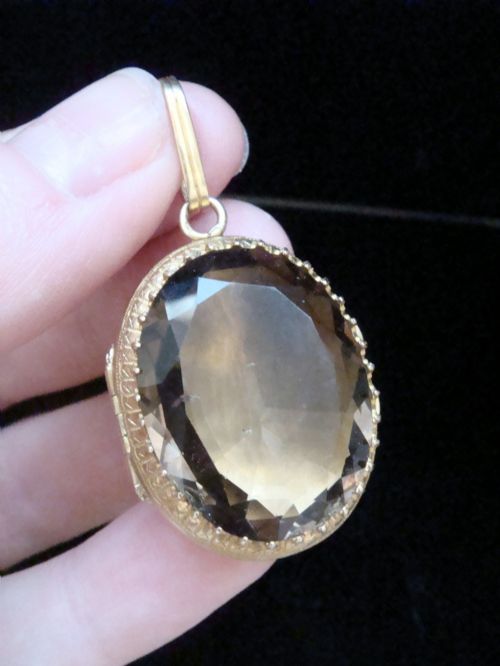
A faceted gemstone gold pendant sits at the chest, catching the light through cut stones set in yellow gold. When you search for a faceted gemstone gold pendant, you encounter pieces spanning from the Victorian era through the mid-twentieth century.
Victorian and Edwardian examples sit alongside pieces from the 1930s, 1950s, and 1960s. These items share a common thread of gold settings housing polished, multi-faced quartz and coloured gems.
Materials and construction methods
Goldsmiths shaped these jewels using 9ct and 18ct yellow gold, forming solid mounts designed to securely hold vibrant stones. The metalwork often includes intricate detailing typical of antique and mid-century jewellery production.
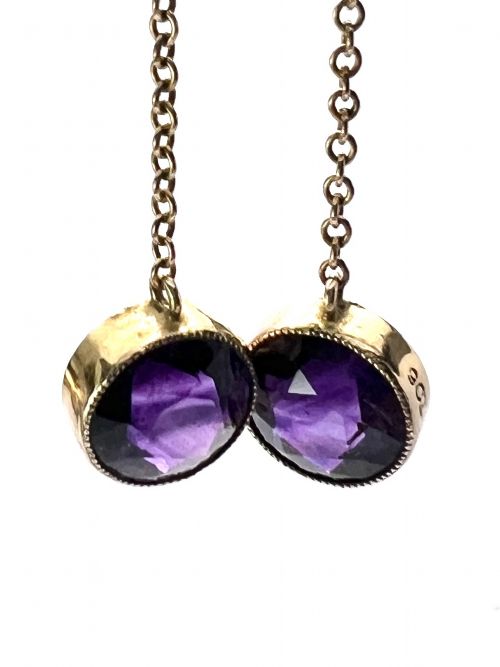
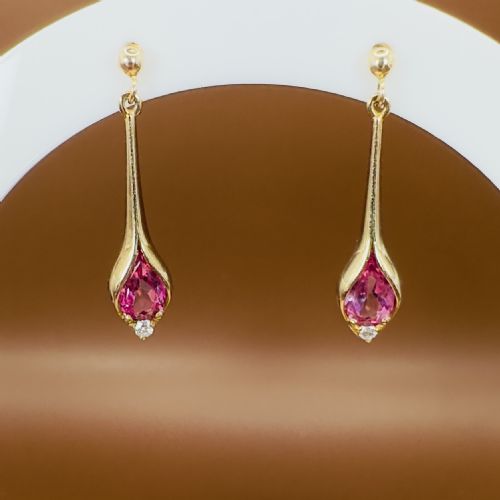
Stones such as citrine, amethyst, pink topaz, white topaz, and yellow quartz received precise faceting to maximise brilliance. These gems were then claw-set or bezel-set into pendants, fobs, and charms.
The listings here span from Victorian and Edwardian items through to 1960s pieces, utilising both 9ct and 18ct yellow gold.
Factors determining quality
The distinction between standard pieces and the finest examples lies in the depth of the gold work and the clarity of the gemstones. Heavier gold weight and cleaner stone cuts elevate a piece above simpler mass-produced alternatives.
Design complexity also plays a role, with specialised forms like spinning fobs and witch's hearts demanding greater skill from the maker. The integrity of the original setting remains a primary indicator of superior craftsmanship.
The Faceted Gemstone Gold Pendant Glossary
- Faceted
- A stone cut with many flat polished surfaces to enhance light reflection. This technique defines the sparkle of the gemstone.
- Fob
- A small ornament attached to a ribbon or chain, often designed to spin or display a seal. These items were originally functional accessories before becoming purely decorative pendants.
- Citrine
- A transparent, yellow to orange variety of quartz used widely in vintage jewellery. It provides a warm, sunny hue within gold mounts.
- Witch's heart
- A pendant shaped with an asymmetrical, looped top resembling a flickering flame or twisted heart. This romantic motif appears frequently in antique French jewellery.
- Bezel setting
- A collar of metal that pushes over the edge of a gemstone to hold it securely in place. This method offers robust protection for the stone.
Faceted Gemstone Gold Pendant: Frequently Asked Questions
How do I care for my gold pendant?
Clean your pendant gently using warm water, mild soap, and a soft cloth to remove everyday oils and dust.
Avoid harsh chemical dips, particularly with softer stones like amethyst and citrine, which can suffer permanent damage.
Can I wear my pendant every day?
Gold and quartz varieties endure daily wear quite well when handled with reasonable care during physical activities.
Removing the pendant before swimming or heavy lifting protects the delicate prongs and chain connections from undue stress.
How do I date an antique gold pendant?
Examine the style of the goldwork, the cut of the gemstone, and any accompanying hallmarks stamped onto the metal.
Victorian and Edwardian pieces often display distinct foliate motifs and closed-back settings that separate them from 1950s or 1960s designs.
What is the difference between a fob and a standard pendant?
A fob originates from the accessories once hung from pocket watch chains, often featuring a swivel mechanism or a hardstone seal.
Standard pendants are designed specifically for necklaces from their inception, lacking the heavy swivel hardware typical of fobs.