



Facet Cut Stem
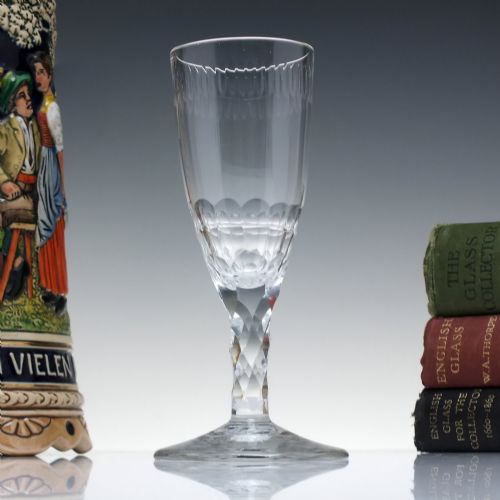
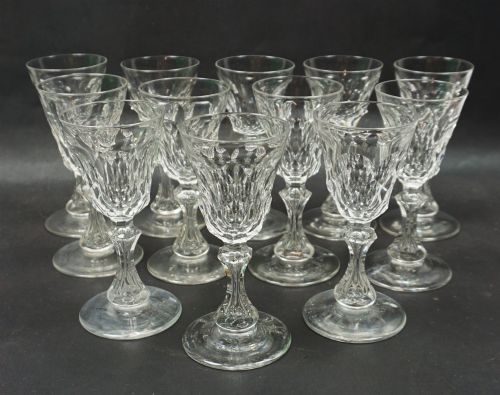
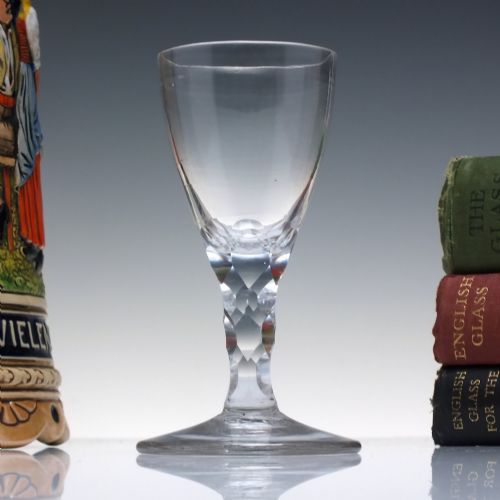
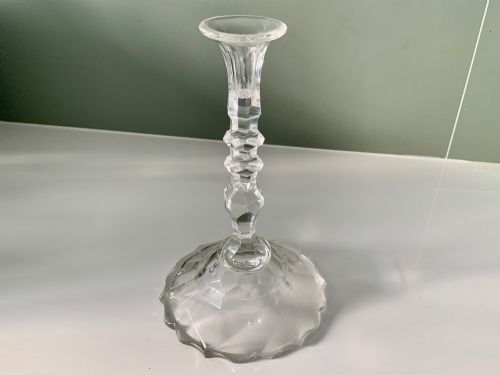
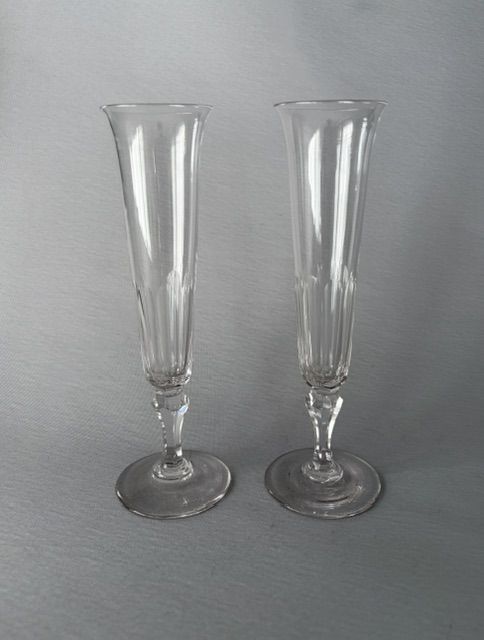
These facet cut stem glasses bring brilliant light refraction and crisp geometric handles to the table, making them a prized choice for historic glassware collectors.
Facet Cut Stem
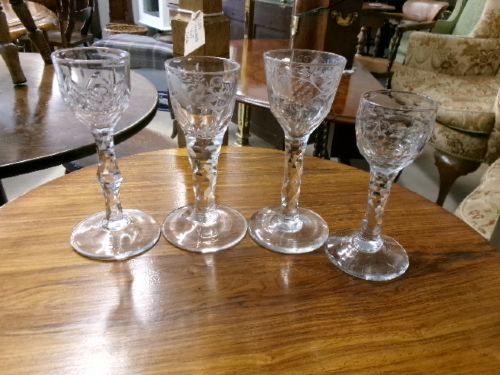
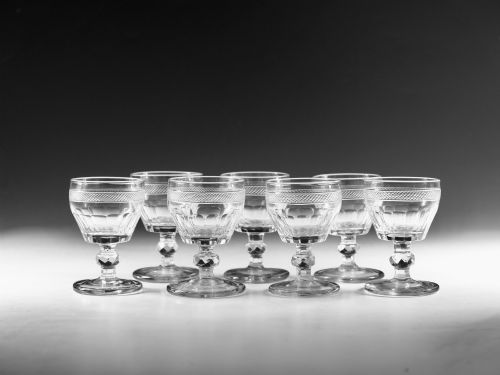
When you search for facet cut stem, you are looking at drinking vessels defined by stems shaped with polished flat planes, catching the light with every movement. The pieces encountered on this page stretch from the eighteenth century into the Victorian era, taking forms such as wine glasses, port glasses, ale flutes, and champagne flutes.
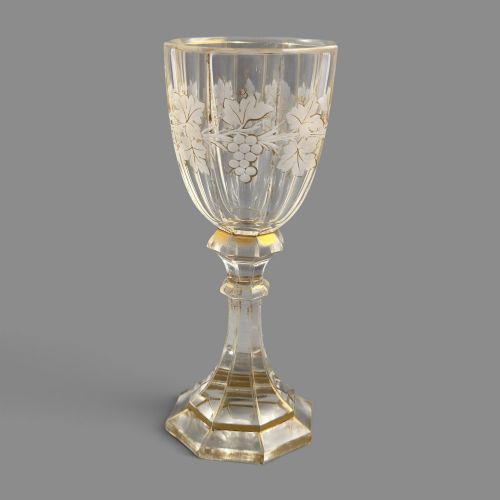
The majority of examples originate from the Georgian and 18th Century periods, often featuring clear glass or lead crystal. Alongside English drinking glasses, the selection includes Bohemian and Irish pieces, demonstrating variety in regional glasshouses and decorative motifs.
How they were made
The manufacture of these drinking vessels relies heavily on lead glass and clear glass, blown into shape before craftsmen applied wheel-cutting techniques to form the sharp facets along the stem. Additional decoration includes delicate wheel-engraving showing hop and barley patterns or Jacobite symbols, alongside touches of gilding.
Makers shaped the bowls, stems, and wide foot bases separately before joining them, ensuring the heavy crystal balanced correctly in the hand. The facets were then laboriously hand-polished to achieve transparency and brilliance on each flat plane.
Facet Cut Stem Retail Price Guide 2026
Typical asking prices for facet cut stem among the pieces listed under this phrase on Sellingantiques today, from the lower quarter to the upper quarter. They describe what is for sale here now, not the wider market.
Object forms span wine glasses, champagne flutes, port glasses, and ale flutes with wide foot bases.
What varies in quality
Quality in these drinking glasses rests on the crispness of the facet cutting and the clarity of the metal itself. Finer examples display sharp, distinct angles along the stem without blurring, coupled with a resonant ring from the lead crystal.
The artistry of the bowl engraving also dictates distinction, ranging from simple polished surfaces to intricate, detailed floral or symbolic motifs. Proportions between the wide foot base, the faceted stem, and the bowl determine the overall elegance of the vessel.
James Giles·Moser Bohemian
The Facet Cut Stem Glossary
- Facet cut stem
- A glass stem shaped with multiple polished flat planes that reflect light. This defining feature creates a distinctive geometric grip and appearance.
- Lead crystal
- A type of glass containing lead oxide, which increases weight, clarity, and brilliance. It allows for deeper and sharper cutting.
- Ale flute
- A tall, slender drinking vessel designed for serving ales and beers. They often feature elongated bowls supported by decorated stems.
- Jacobite engraving
- Decorative etching associated with secret loyalist societies supporting the exiled Stuart kings. These motifs frequently include roses and oak leaves.
- Römer goblet
- A traditional Germanic wine goblet featuring a wide bowl and a stem adorned with prunts or distinct cutting. They frequently appear in coloured or clear crystal.
Facet Cut Stem: Frequently Asked Questions
What are facet cut stem glasses?
These are historic drinking vessels featuring stems shaped with precise flat polished planes rather than smooth curves. They were produced primarily during the eighteenth and nineteenth centuries.
Craftsmen utilised lead crystal and clear glass to create these stems, pairing them with various bowl forms for wine, port, and ale.
How were these glasses used?
They served as formal dining and tavern vessels for consuming wines, ales, cordials, and champagne. Their faceted stems provided a secure grip during social gatherings.
Many featured specific engravings related to toasts, political sympathies, or agricultural motifs appropriate for the dining table.
How do I clean old glass?
Historic glass requires gentle hand washing in lukewarm water with mild detergent. Avoid abrasive sponges or sudden temperature changes to protect the material.
Dry them carefully with a lint-free cloth to maintain the brilliance of the facets and any delicate gilding.
Can I use them today?
These drinking glasses remain functional and can be used for special occasions or quiet evening drinks. Their sturdy lead crystal construction handles careful use.
Displaying them in a cabinet also protects them from accidental knocks while allowing light to catch the cut stems.
How do I date a glass?
Dating relies on examining the form of the bowl, the style of the foot base, and the characteristics of the metal. Eighteenth-century pieces often show distinct foot profiles and specific facet patterns.
Comparing the engraving style and the type of glass helps narrow down the period of production between Georgian and Victorian eras.