
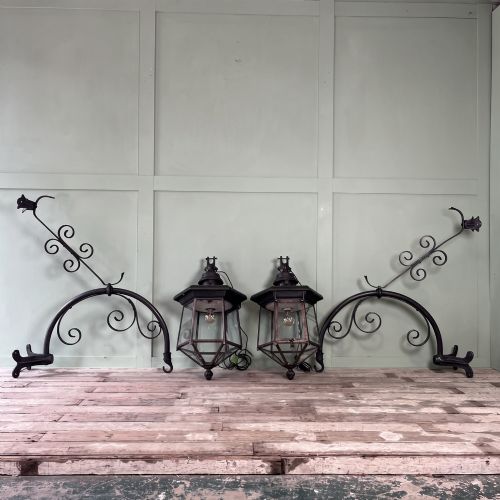
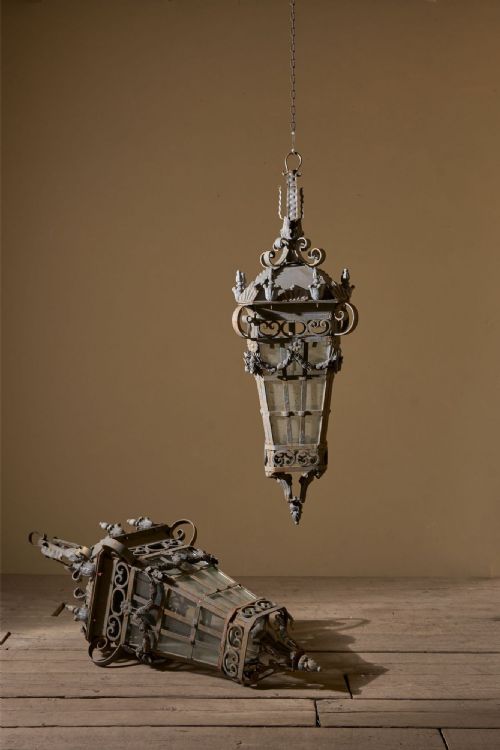


Exterior Wrought Iron Light
Exterior wrought iron light fixtures combine utility with enduring design, offering robust illumination for gardens, porches, and entranceways.
Exterior Wrought Iron Light
When searching for an exterior wrought iron light, buyers encounter a robust array of outdoor lighting solutions primarily originating from the nineteenth and early twentieth centuries. These pieces encompass sturdy wall lanterns, hanging lanterns, and substantial street lights designed to withstand the elements while providing functional illumination.
The selections available on this page lean heavily towards early twentieth-century and Victorian forms, capturing enduring industrial, Arts and Crafts, and Gothic Revival aesthetics. Wall lights and porch lanterns predominate, offering practical solutions for exterior spaces that demand historic character and structural integrity.
Materials and Construction
The construction of these exterior lights relies fundamentally on durable combinations of wrought iron, cast iron, and steel paired with copper or brass elements. Metalwork is frequently complemented by glass panels, including frosted glass, which diffuse light effectively across outdoor areas.
Makers utilised resilient metals alongside zinc and copper to combat weathering, employing traditional techniques of shaping and joining iron. This disciplined use of mixed metals ensures each fixture maintains its structural form and aesthetic appeal over decades of exterior exposure.
Materials across these listings span wrought iron, copper, brass, zinc, and frosted glass, reflecting traditional manufacturing techniques.
Assessing Quality and Execution
Quality in these exterior fixtures rests upon the calibre of the metalwork and the integration of secondary materials like copper or brass. Finer examples display meticulous hand-forging in the iron components and thoughtful proportions in the frame.
The sophistication of the stylistic execution also dictates distinction, separating standard utility pieces from those bearing refined Arts and Crafts or Gothic Revival details. Superior craftsmanship reveals itself in the harmony between the metal chassis and the glazed panels.
The Exterior Wrought Iron Light Glossary
- Wrought iron
- A tough, malleable form of iron suitable for hammering into decorative and structural brackets. It resists corrosion better than modern carbon steels.
- Frosted glass
- Glass treated to appear opaque or semi-translucent, softening the glare from internal illumination. It is commonly utilised in exterior lanterns for a diffused glow.
- Arts and Crafts
- A design movement valuing traditional craftsmanship and simple forms over mass production. This style influences many early twentieth-century outdoor fixtures.
- Gothic Revival
- An architectural and decorative style drawing inspiration from medieval forms. Pieces in this tradition often feature pointed arches and heavy iron detailing.
Exterior Wrought Iron Light: Frequently Asked Questions
Where should exterior lanterns be mounted?
These fixtures are typically installed beside entrance doors, along porch walls, or suspended from exterior ceilings to illuminate pathways. Proper placement ensures adequate light distribution while protecting the wiring from direct weather exposure.
Historic wall brackets and hanging mounts require secure fixings into masonry or timber to support the combined weight of iron, copper, and glass components.
How do I clean historic metal lights?
Gentle dusting with a soft brush preserves the original surface patinas on iron, copper, and brass components. Avoid harsh chemical cleaners that strip historical finishes.
Glass panels can be removed carefully for washing with mild soap and water, ensuring clear light transmission without damaging the surrounding metal frame.
Can these lights be wired for modern use?
Most antique outdoor fixtures can be adapted to accommodate modern electrical standards by a qualified electrician. Internal lampholders and wiring are typically updated while preserving the historic exterior shell.
Consulting a professional ensures the installation meets current safety regulations for exterior environments without altering the physical integrity of the piece.
What distinguishes Victorian styles from Edwardian?
Victorian lighting often incorporates heavier decorative elements, drawing from Gothic Revival and ornate classical motifs. Ironwork from this period tends to be robust and highly detailed.
Edwardian and early twentieth-century pieces frequently display cleaner lines influenced by the Arts and Crafts movement, favoring functional simplicity over ornate embellishment.