




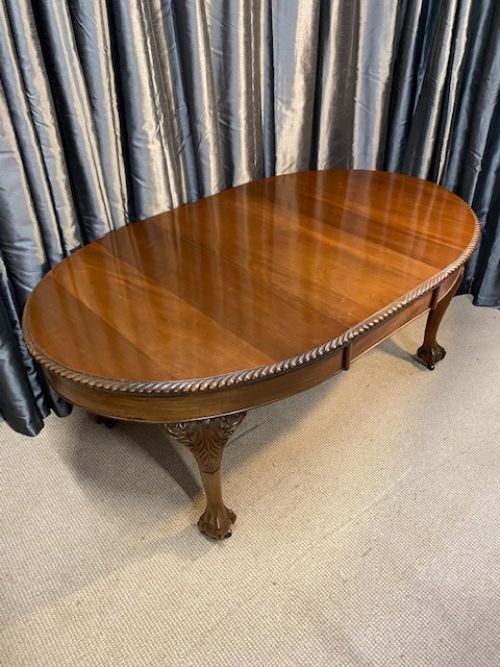
Extending Wooden Dinner Table
An extending wooden dinner table is a practical centrepiece for any dining room, offering adaptable space for family meals and large gatherings alike.
Extending Wooden Dinner Table
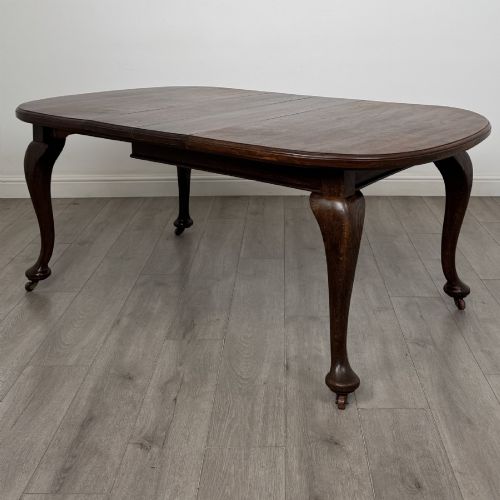
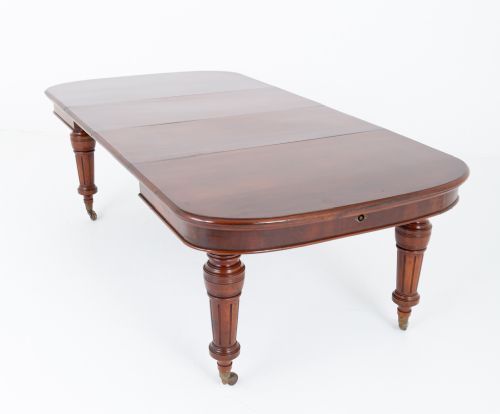
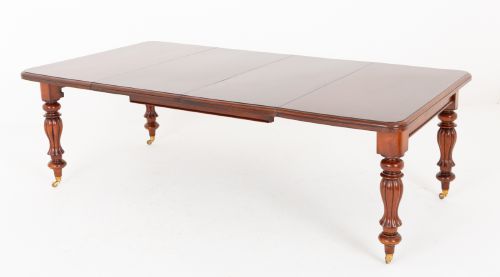
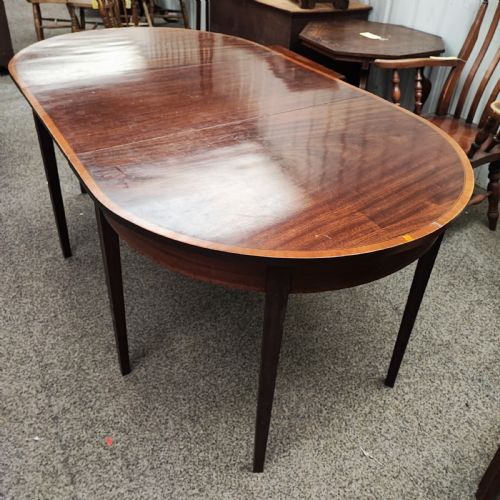
When you search for an extending wooden dinner table, you find a range of practical dining furniture designed to accommodate gatherings of various sizes through the addition of removable leaves.
The examples available span the nineteenth century, including Victorian, Regency, William IV, and George IV periods, alongside Georgian style reproductions.
Mahogany is the predominant wood encountered, often featuring mechanical pull-out systems or drop-in leaves to extend the surface area.
How they were made
Cabinet makers utilised solid timber and veneers, with mahogany serving as the primary structural and visual material across almost all periods represented.
Brass fittings frequently appear in the mechanisms that allow the tables to pull out smoothly and secure the extra leaves in place.
Decorative details such as satinwood inlay and carved claw and ball legs demonstrate the craftsmanship applied to Victorian and Georgian style examples.
Extending Wooden Dinner Table Retail Price Guide 2026
Typical asking prices for extending wooden dinner table among the pieces listed under this phrase on Sellingantiques today, from the lower quarter to the upper quarter. They describe what is for sale here now, not the wider market.
One unrestored William IV table waits quietly for its next chapter, bearing the charming battle scars of nineteenth-century family banquets.
What varies in quality
Quality reveals itself in the selection of figured mahogany timber and the presence of original leaves that match the grain and colour of the main top.
The sophistication of the extending mechanism and the precision of carved details, such as legs and aprons, distinguish finer workshop production from standard utility pieces.
The Extending Wooden Dinner Table Glossary
- Extending leaf
- A removable section of timber inserted into the centre of a table to increase its overall length. This allows the dining surface to grow or shrink according to the occasion.
- Pull out mechanism
- The sliding wooden runners beneath the table top that enable the frame to expand. Smooth operation ensures the extra leaves drop securely into position.
- Figured mahogany
- Timber exhibiting distinctive grain patterns such as flame or curl, highly prized by cabinet makers for its decorative appeal. It catches the light differently depending on the angle.
- Claw and ball
- A carved furniture foot depicting a bird's talon gripping a ball, popular during various nineteenth-century revival periods. It provides a solid visual anchor to large dining tables.
Extending Wooden Dinner Table: Frequently Asked Questions
How do extending leaves work?
Most nineteenth-century examples utilise a pull-out wooden frame where the two halves of the table separate to reveal a gap. Extra leaves drop manually into this central space and lock securely.
Brass clips or wooden pegs often align the leaves with the main table top to ensure a stable and even surface for dining.
How many people can these seat?
Capacity depends entirely on the length of the table and the number of extra leaves inserted. Some larger Victorian versions comfortably seat up to ten or twelve guests when fully extended.
Smaller two-leaf variants suit intimate dining rooms while still offering flexibility for Sunday lunches and dinner parties.
How can I date my table?
Dating relies on examining the timber species, construction methods, leg design, and any mechanical hardware present beneath the frame. Styles such as Regency, William IV, and Victorian each display distinct architectural motifs.
Consulting the specific details recorded in the listing helps place the piece within its nineteenth-century context.