







Extendable Dinner Table
An extendable dinner table is a practical dining room centrepiece designed to lengthen for guests, built by makers using mahogany and oak.
Extendable Dinner Table
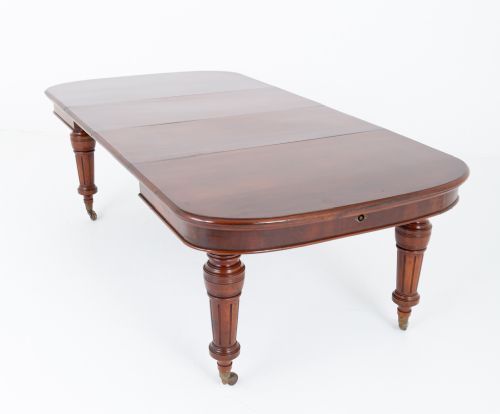
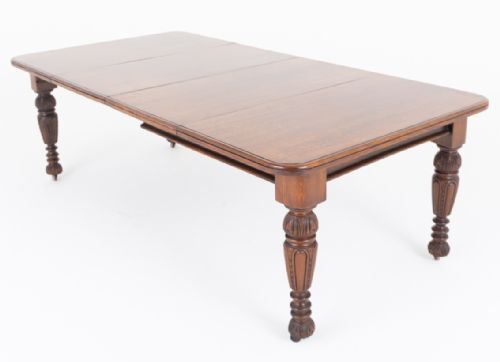
An extendable dinner table offers flexible seating for daily meals and larger gatherings through removable leaves or pull-out mechanisms. Buyers searching for an extendable dinner table will encounter various forms from the nineteenth century onwards, reflecting changing domestic habits of the period.
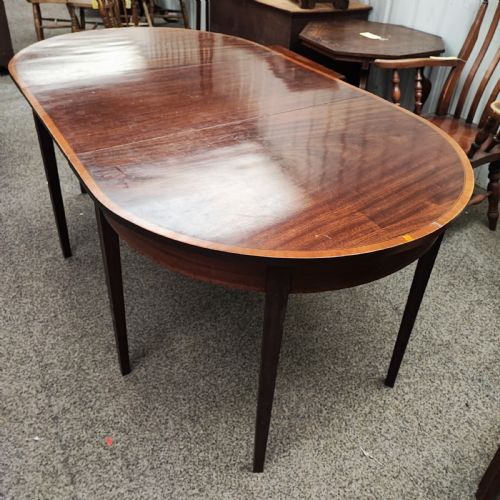
The selections available here lean heavily towards nineteenth-century craftsmanship, with Victorian, Edwardian, and William IV examples forming the bulk of the stock. Mahogany is the predominant wood seen across these tables, often complemented by oak, walnut, and satinwood inlay.
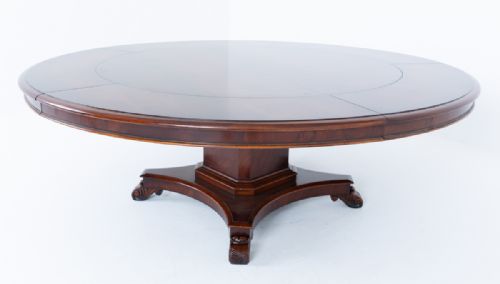
Many of these tables incorporate functional leaves that allow the surface area to expand significantly when required. Styles range from plain utilitarian formats to revival pieces drawing upon Georgian and Queen Anne aesthetics.
How they were made
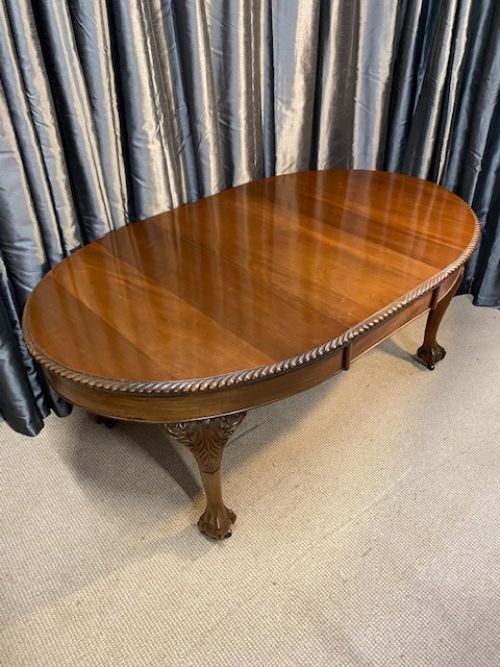
Cabinet makers constructed these extendable dinner table pieces predominantly from solid mahogany, oak, and walnut, selecting dense timbers capable of enduring regular mechanical movement. Tables frequently employ brass mechanisms or runners concealed beneath the leaves to facilitate smooth expansion.
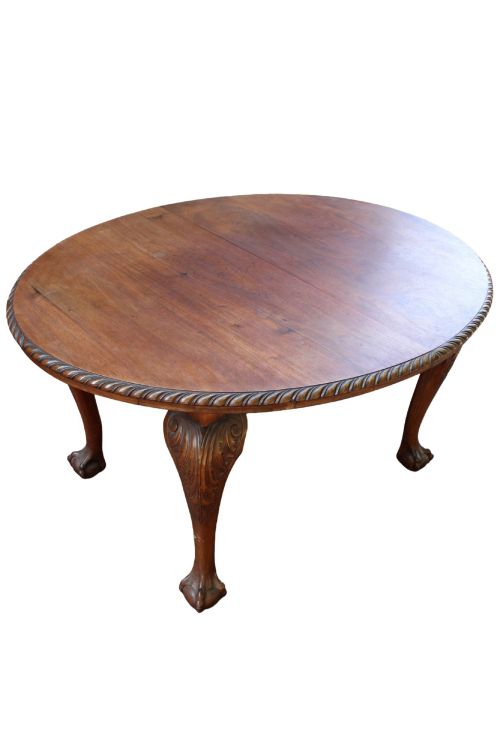
Surface decoration ranges from simple polished timber finishes to elaborate satinwood inlay and carved details such as claw and ball feet. Joinery techniques ensured that the additional leaves aligned securely with the main table frame when fully extended.
Extendable Dinner Table Retail Price Guide 2026
Typical asking prices for extendable dinner table among the pieces listed under this phrase on Sellingantiques today, from the lower quarter to the upper quarter. They describe what is for sale here now, not the wider market.
Some tables extend far enough to host a small medieval banquet, provided your dining room walls are flexible.
What varies in quality
Quality in an extendable dinner table rests on the integrity of the timber selection and the precision of the extending mechanism. Better examples utilise well-seasoned figured mahogany and retain their original matching leaves, ensuring uniform colour and grain when expanded.
Construction standards also show in the stability of the underframe and the quality of hand-carved elements like legs and feet. Tables that operate smoothly without sagging across the joins demonstrate superior initial manufacturing.
Waring and Gillow
The Extendable Dinner Table Glossary
- Extending dining table
- A table designed with a mechanism or removable leaves to increase its overall length. This allows the surface to accommodate more diners as needed.
- Mahogany
- A durable tropical hardwood prized for its rich reddish-brown tone and stability. It served as the primary material for high-grade formal dining furniture throughout the nineteenth century.
- Satinwood inlay
- A decorative technique using contrasting light-coloured wood veneers set into the primary timber surface. This creates delicate geometric or floral patterns.
- Claw and ball
- A furniture foot design depicting a bird's talon clutching a ball. It is frequently found on cabinet work from the eighteenth century and later revival periods.
- Pull out mechanism
- An internal wooden or metal track system that enables the table ends to separate. Additional leaves are then dropped into the resulting gap.
Extendable Dinner Table: Frequently Asked Questions
How do the leaves work?
Most pieces utilise a pull-out track system where the ends slide apart to create a central gap. Separate wooden leaves are then dropped into this space and secured with brass clips.
Older examples often rely on winding mechanisms operated by a removable crank handle. This draws the table sections together tightly around the inserted leaves.
How do I date an extendable table?
Dating relies on observing timber choices, leg styles, and mechanical hardware under the top. Early nineteenth-century pieces often feature heavy turned legs and solid mahogany construction.
Later Victorian and Edwardian examples might incorporate brass runners or specific revival ornamentation. Comparing the secondary timbers beneath the frame helps confirm the period.
Can I use daily without covers?
These tables were built from sturdy hardwoods like mahogany and oak intended for regular household use. Standard polishing offers moderate resistance to everyday dining activity.
Heat mats and coasters remain sensible precautions to protect the historic polish from marks. Regular waxing helps maintain the moisture balance of the timber.
Are original leaves important?
Original leaves share the exact timber stock, ageing, and polish finish of the main table top. This ensures a seamless visual match when the table is fully extended.
Replacement leaves can sometimes differ slightly in colour or grain pattern due to differing wood lots. Checking the numbering stamped on the underside often confirms leaf originality.