

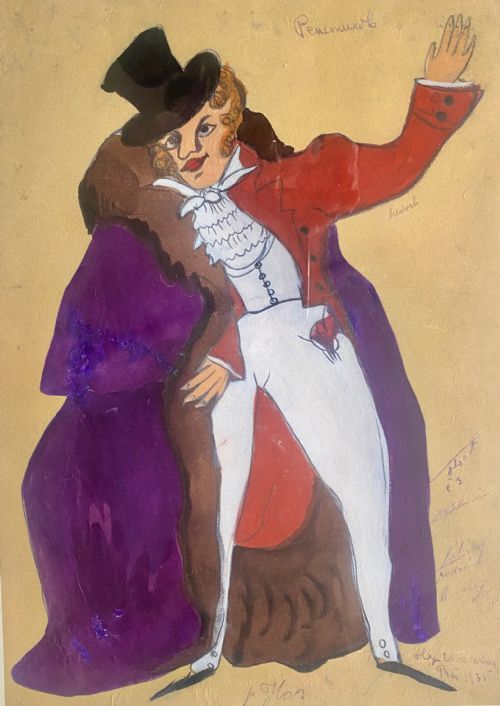


Expressionist Portrait Art
Expressionist portrait art captures human character through intense colour and bold brushwork.
Expressionist Portrait Art
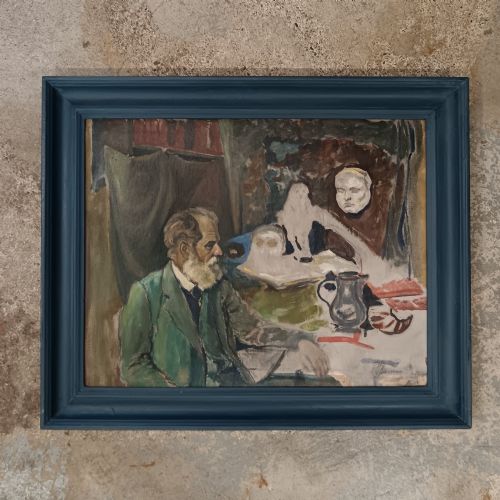
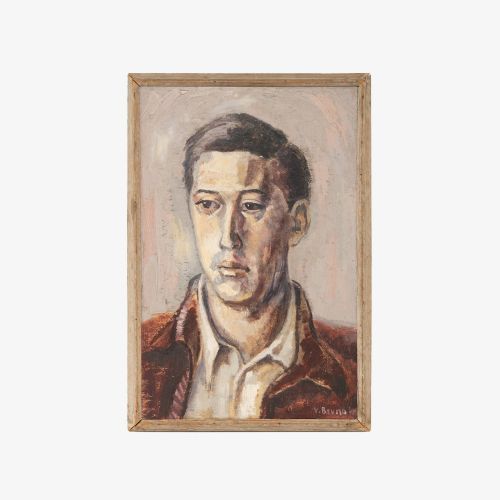
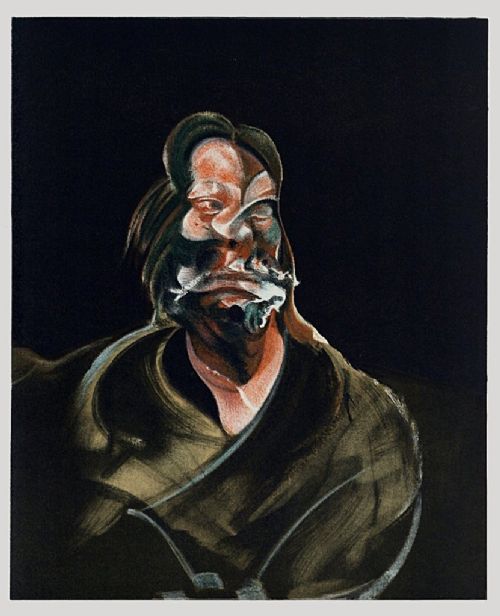
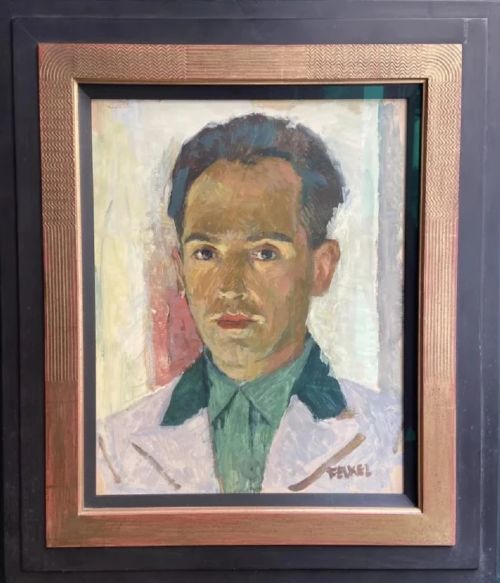
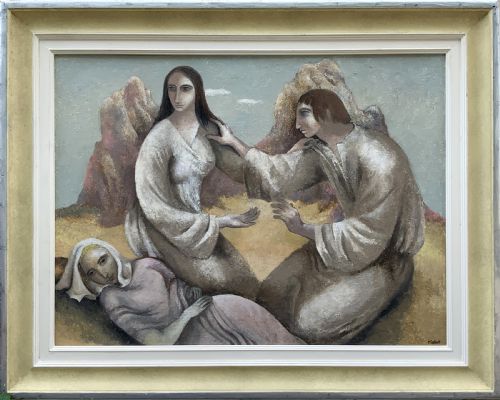
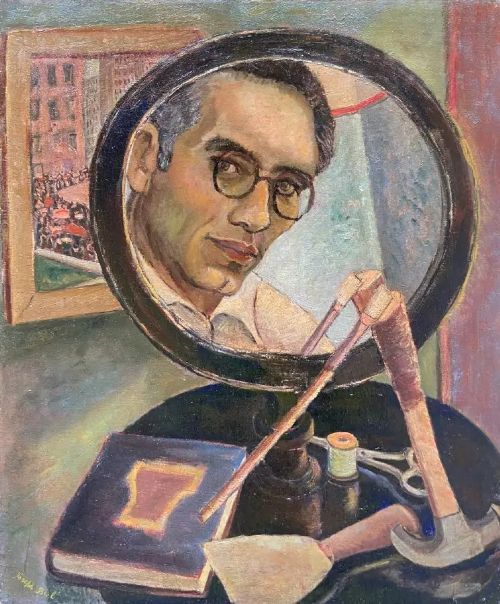
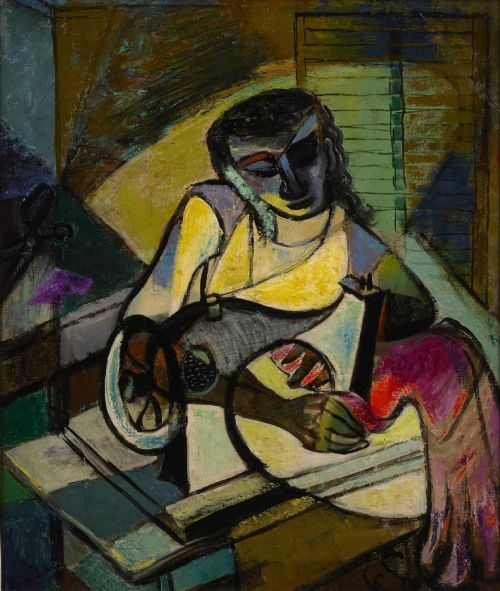
Expressionist portrait art focuses on emotional intensity and psychological depth rather than strict physical likeness. When searching for expressionist portrait art, buyers encounter works created across the twentieth century, with strong representation from the decades between the nineteen twenties and nineteen sixties.
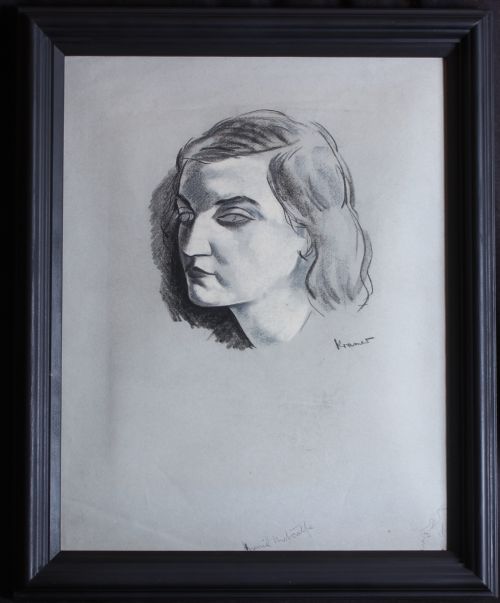
The selection includes paintings on canvas and board, alongside works on paper executed in oil, ink, watercolour and gouache. Portrait subjects range from self-portraits and dancers to nudes and figures set within domestic or wartime scenes.
Makers and artists represented span British, French, American and Spanish origins, working within modernist, avant-garde, cubist and fauvist traditions. These pieces reflect stylistic movements that prioritised subjective feeling over academic realism.
How they were made
Artists painted primarily on canvas, wood board and heavy paper, applying oil paint, impasto, gouache and ink. Oil paint allowed for thick, textured brushstrokes that built physical depth on the surface.
Works on paper utilised ink and watercolour to achieve immediate, fluid lines, while mixed media combinations integrated multiple graphic techniques within a single composition.
Expressionist Portrait Art Retail Price Guide 2026
Typical asking prices for expressionist portrait art among the pieces listed under this phrase on Sellingantiques today, from the lower quarter to the upper quarter. They describe what is for sale here now, not the wider market.
The selection includes self-portraits, nudes, dancers and wartime studies created by British, French, American and Spanish artists.
What varies in quality
The strength of expressionist portrait art rests upon the confidence of the brushwork and the clarity of the emotional intent. Superior examples demonstrate a direct relationship between pigment application and the psychological weight of the subject.
Compositional balance also determines distinction, where spatial arrangement and colour harmony support the focal point without relying on conventional academic proportion.
Jacob Kramer·Carl Felkel·Joseph Biel·Lena Gurr·Tony Giles·Gaetan Dumas·Baruch Shalom Oskotsky·David Cox·Jean Hippolyte Marchand·Pinchus Krémègne·Antonio Ferri·Yetta Kane·Raymond Arthur Roadnight·Burr Singer·Richards Rubin·Archille Zavatta
The Expressionist Portrait Art Glossary
- Impasto
- Paint applied thickly to a canvas or board, standing out in relief from the surface. This technique creates a textured, tactile quality that catches light and adds physical presence to the subject.
- Gouache
- An opaque water-based paint that dries to a matte finish. It provides rich, solid colour blocks often used on paper supports.
- Fauvism
- An early twentieth-century painting style characterised by strong, non-naturalistic colours and fierce brushwork. Practitioners prioritised painterly qualities over realistic representation.
- Lithograph
- A print made from a flat stone or metal plate treated to retain ink in designated areas. Artists utilise this method to produce multiple impressions of a drawn image.
- Avant-garde
- Artworks that push boundaries and experiment with new aesthetic concepts ahead of mainstream acceptance. These pieces break away from traditional academic rules.
Expressionist Portrait Art: Frequently Asked Questions
What is expressionist portrait art?
Expressionist portrait art consists of paintings and works on paper that prioritise psychological mood and emotional impact over photographic likeness.
These works utilise bold colours, visible brushwork and distorted forms to convey the inner state of the sitter.
How should I hang these paintings?
Display these pieces away from direct sunlight to protect oil paint and paper from fading over time. Ensure the wall lighting is neutral to allow the varied textures and pigment layers to show clearly.
Pairing a striking portrait with simple surrounding wall colours helps the expressive brushwork stand out in a domestic interior.
How do I date these works?
Dating relies on stylistic clues, materials and recorded artist signatures or exhibition labels on the reverse of the canvas or board. Twentieth-century works often reflect the aesthetic shifts of specific decades, such as avant-garde abstraction or mid-century modernism.
Examining the stretcher frames and backing materials provides additional context regarding the period of production.
What subjects are common?
Common subjects include self-portraits, female nudes, dancers and figures captured in domestic or wartime settings. Artists frequently turned their focus to people in contemplation or engaged in daily routines.
These varied character studies reflect the broader human interest central to twentieth-century portraiture.