





Expressionist Fine Art
Expressionist fine art delivers emotional weight and intense brushwork, offering buyers a direct connection to the psychological intensity of the twentieth century.
Expressionist Fine Art
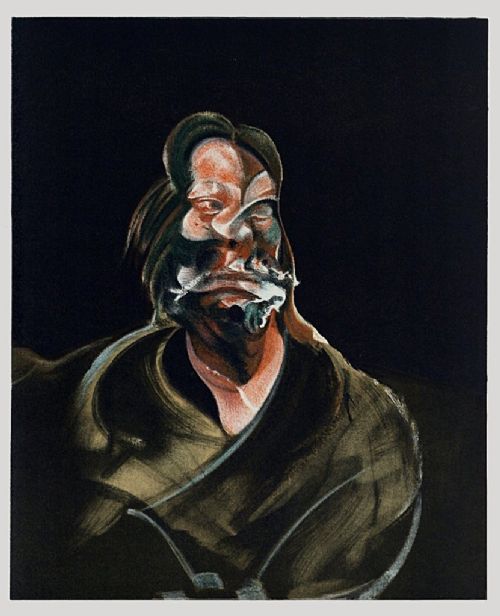
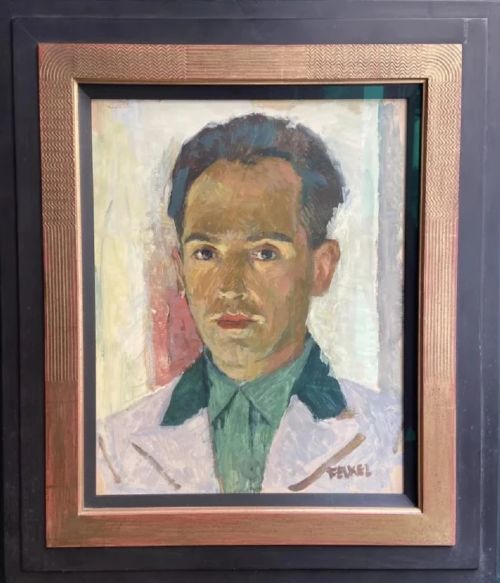
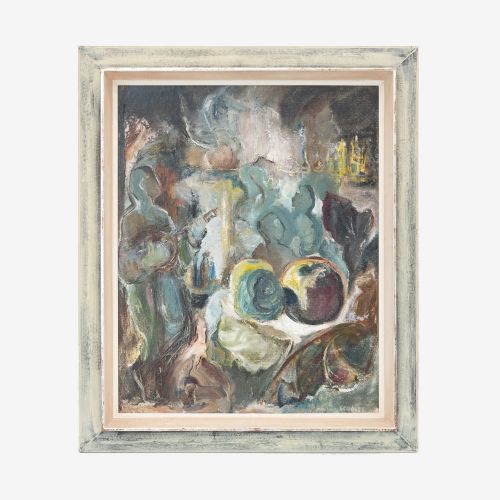
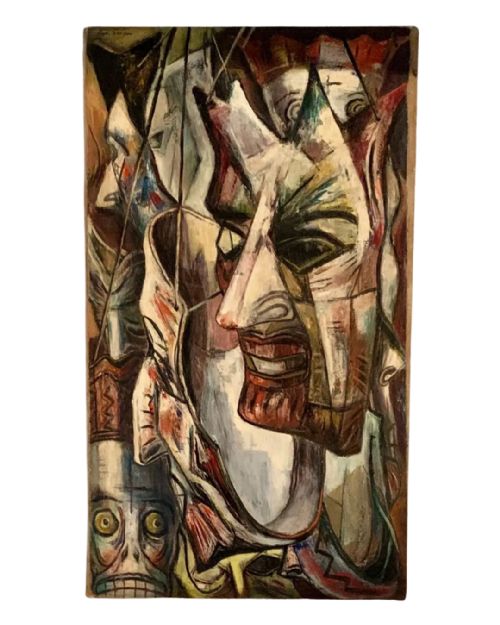
Expressionist fine art captures intense emotional experience through distorted forms and bold application of pigment. When you search for expressionist fine art, you encounter diverse works ranging from quiet domestic scenes to stark portraits created across the twentieth century.
The selection on this page leans heavily toward mid-century examples executed in oil paint upon canvas or board. Works span from the interwar period of the 1920s and 1930s through to the 1960s, reflecting various national movements.
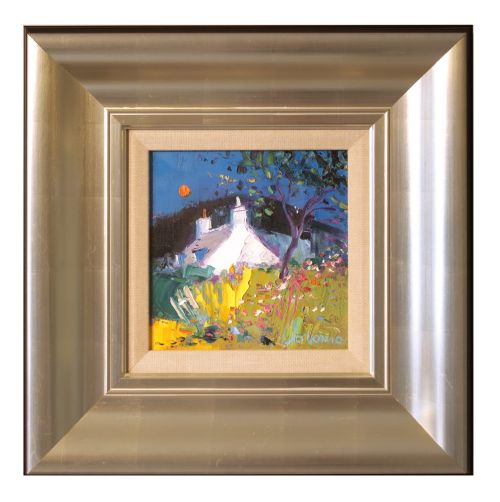
British, French, and Flemish traditions appear alongside specific regional styles such as Scottish expressionism and naive art. Buyers frequently find portraits, village scenes, and still lifes housed in period wood frames.
Materials and methods
Artists working within this tradition relied predominantly on oil paint applied to canvas, board, or paper. The physical handling of the medium remains central, with thick impasto brushwork and visible textures defining the surface.
Supports often include wood panels and heavy card alongside traditional stretched canvas. Many pieces retain their original wood frames, which complement the raw immediacy of the painted surfaces.
Expressionist Fine Art Retail Price Guide 2026
Typical asking prices for expressionist fine art among the pieces listed under this phrase on Sellingantiques today, from the lower quarter to the upper quarter. They describe what is for sale here now, not the wider market.
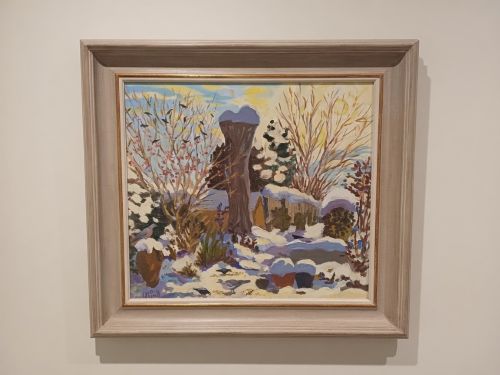
Several canvases capture domestic animals joining in daily life, including a cat sharing space with a reclining figure and a winter feeding scene.
Markers of distinction
Quality in these works rests upon the confidence of the brushwork and the intensity of the composition. Strong examples demonstrate a deliberate control over distortion and colour to convey mood rather than mere representation.
Provenance and documentation elevate certain pieces, particularly when linked to established twentieth-century artists or documented exhibitions. The integrity of the original surface and the harmony between the work and its frame also influence the standing of a piece.
Lucy Pratt·John Lowrie Morrison·Lilian Colbourn·Joan Gillchrest·Gabriel Dauchot·Mercedes Legrand·William McCance·Jean Hippolyte Marchand·Maud Frances Eyston Sumner·Andre Delfau·Raymond Arthur Roadnight·Burr Singer·Tschacbasov
The Expressionist Fine Art Glossary
- Impasto
- Paint applied thickly to a canvas or board, standing out in relief from the plane. This technique adds tactile depth and catches the light.
- Canvas
- A closely woven fabric stretched across a wooden frame to serve as a support for oil painting. It remains the most common ground found in twentieth-century works.
- Provenance
- The chronology of the ownership of a work of art, used as a guide to authenticity and history. Documented exhibitions add considerable weight.
- Avant-garde
- Art that applies experimental concepts and pushes the boundaries of traditional forms. These works often predate broader public acceptance.
- Board
- A rigid flat panel used as a painting support instead of fabric. Artists often utilised wood or heavy composite materials for stability.
Expressionist Fine Art: Frequently Asked Questions
What defines expressionist fine art?
These works prioritise emotional impact over strict realism, using distorted forms and bold pigments to communicate inner feelings.
Brushwork is typically vigorous and intentional, designed to evoke a specific psychological response from the viewer.
How should I care for an oil painting on canvas?
Keep the piece away from direct sunlight and dramatic shifts in temperature or humidity to protect the canvas and paint.
Dust the surface gently with a soft, dry brush and avoid using any liquid cleaners on the paint layer.
How can I date an expressionist painting?
Examine the style of the brushwork, the framing materials, and any signatures or inscriptions left by the artist.
Examine the back of the canvas or board for old labels, stamps, or exhibition tags that provide historical clues.
Where were these art pieces created?
Makers represented here worked across Britain, France, Flanders, and South Africa during various decades of the twentieth century.
Each region developed distinct local interpretations of modernist and expressionist movements.