
Expressionist Artwork
Expressionist artwork captures emotional intensity through distorted forms and heavy brushwork, offering buyers a direct connection to the inner psychological landscape of the twentieth century.
Expressionist Artwork
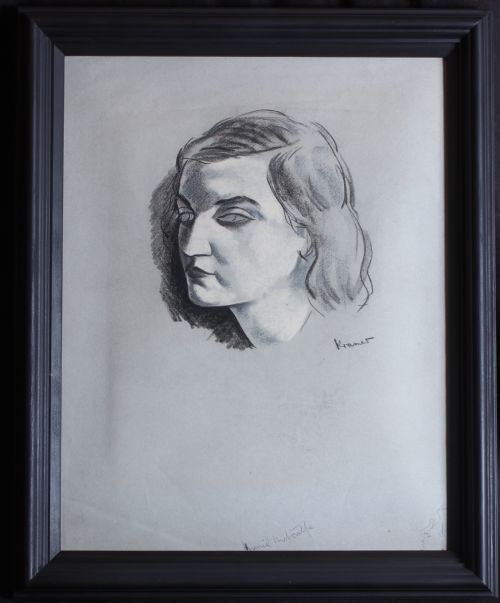
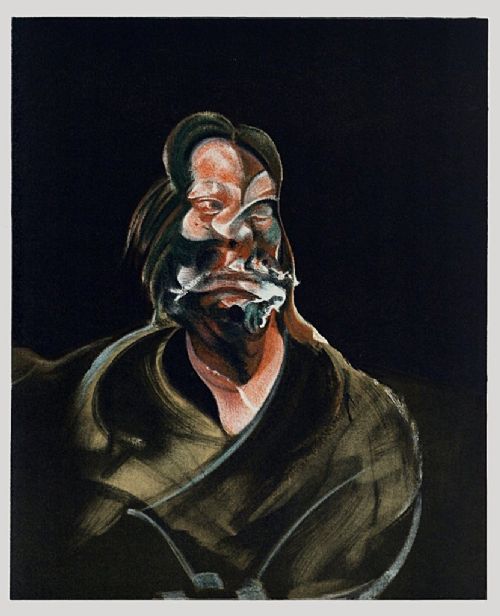
Expressionist artwork focuses on conveying subjective emotions rather than objective reality, using bold colours and energetic lines to communicate feeling. Buyers exploring expressionist artwork will encounter a wide variety of mid-century pieces, spanning from the 1910s through the 1960s and incorporating related modern movements.
The selection on this page relies heavily on mid-century examples alongside earlier twentieth-century pieces, showcasing diverse regional interpretations of the style. These works appear across multiple object types, predominantly taking the form of oil paintings, watercolours, and original lithographs.
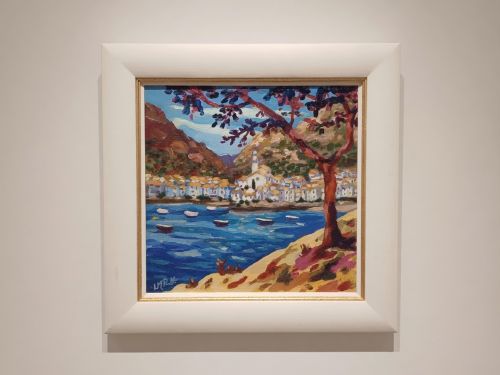
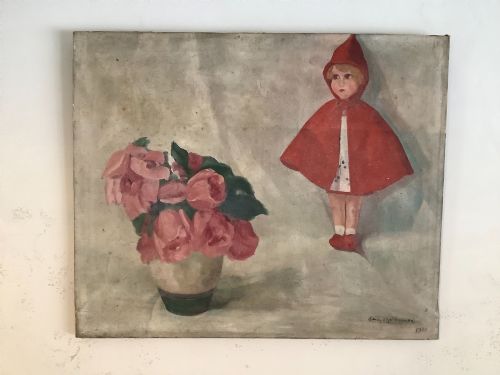
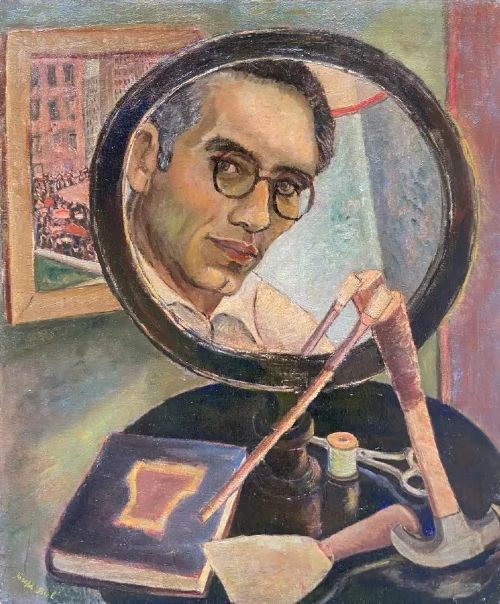
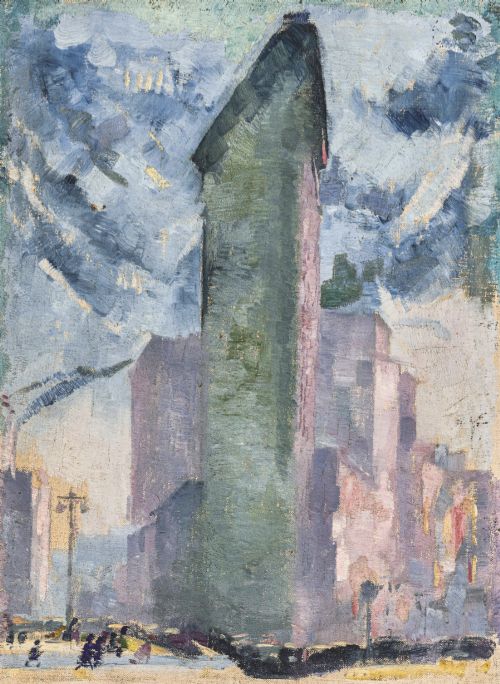
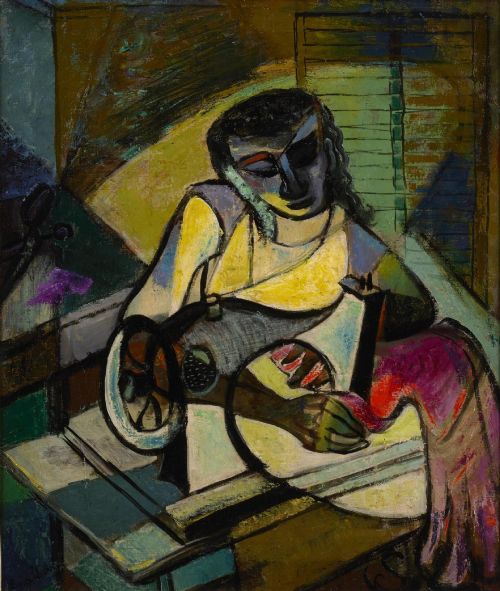
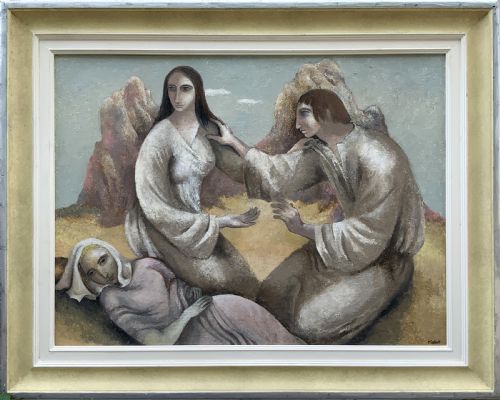
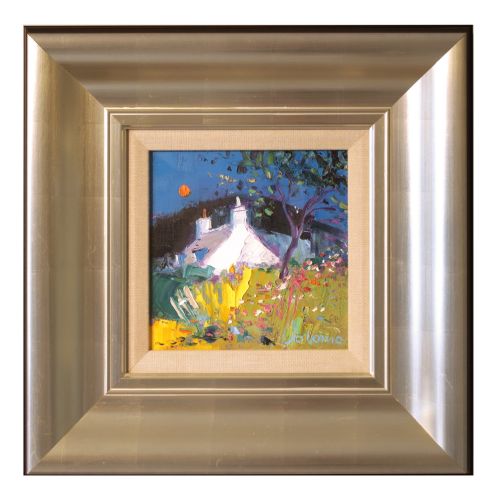
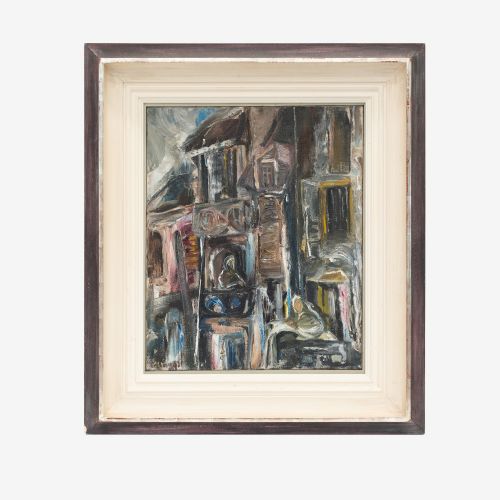
Canvases and boards dominate the physical formats, bringing domestic scenes, figurative studies, and cityscapes into focus. Whether viewing an abstract cityscape or a striking portrait, the core of expressionist artwork remains the artist's personal psychological imprint.
How they were made
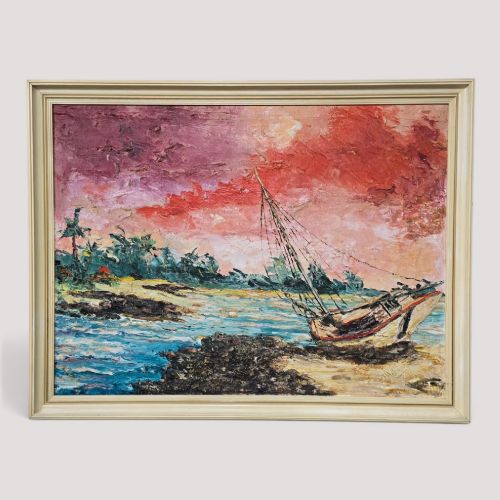
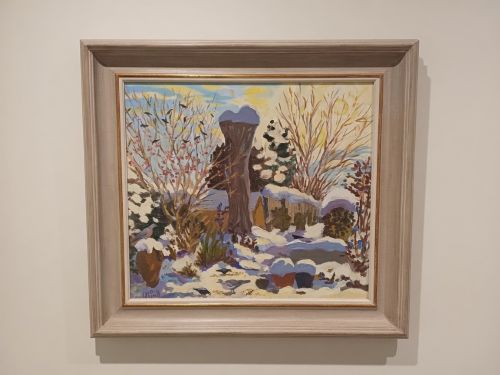
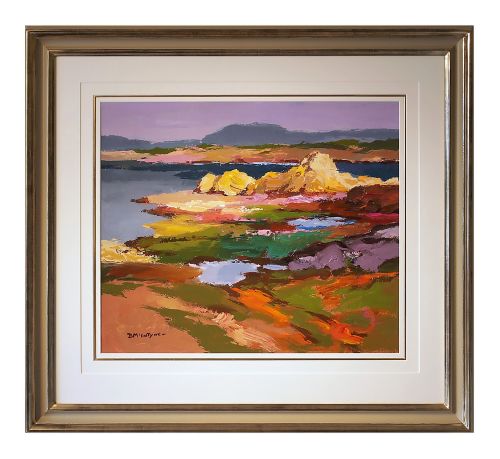
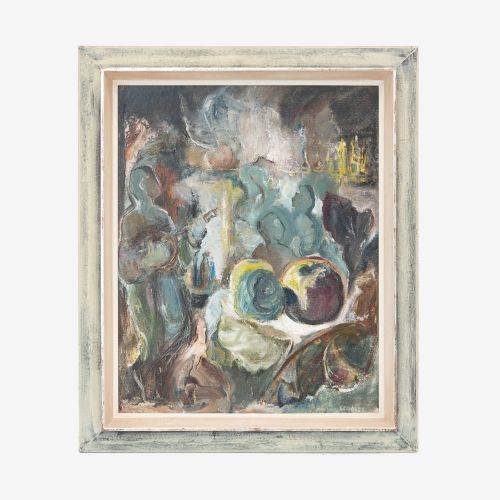
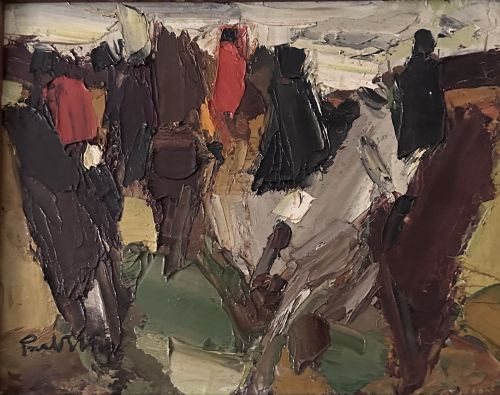
Makers of expressionist artwork typically worked with oil paint on canvas or board, applying thick layers of pigment known as impasto to create tactile surface texture. Ink and watercolour on paper also feature prominently among these listings, offering fluid alternatives to heavier paint applications.
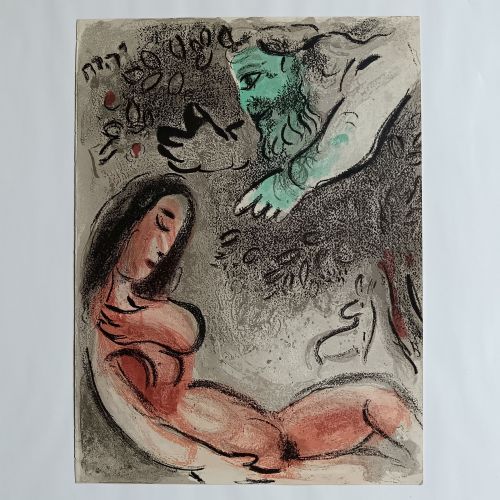
Lithography served as a key medium for multiples, allowing artists to translate expressionist draughtsmanship into printed editions. Support materials like wood and heavy paper provided sturdy foundations for the aggressive brushwork and graphic marks defining the genre.
The listings span from the 1910s through the 1950s and 1960s, employing canvas, board, paper, wood, ink, and oil paint.
What varies in quality
The strength of expressionist artwork lies in the conviction of the hand and the deliberate handling of medium, where confident mark-making separates bolder pieces from tentative compositions. Surface texture, particularly in impasto oil paintings, dictates how light interacts with the physical structure of the work.
Provenance and documentation elevate certain pieces, connecting specific canvases to established artistic circles or notable exhibitions. The cohesion between the chosen material - such as canvas, board, or paper - and the emotional weight of the subject ultimately determines the success of each piece.
Francis Bacon·Lucy Pratt·Marc Chagall·Joseph Biel·Alfred Wolmark·Lena Gurr·Christine Nesbit·Donald McIntyre·John Lowrie Morrison·Vladimir Aldoshin·Lilian Colbourn·Gen Paul·Olga Choumansky·Rodolphe Soiron·Joan Gillchrest·Tony Giles·Elisabeth Frink·Hazel M Barnett·Gaetan Dumas·Gabriel Dauchot·Baruch Shalom Oskotsky·J Milton
The Expressionist Artwork Glossary
- Impasto
- Paint applied thickly to a canvas or board, standing out in relief from the surface so that the marks of the brush or palette knife remain visible. This technique adds literal physical depth and tactile energy to expressionist compositions.
- Lithograph
- A printmaking process where an image is drawn onto stone or metal with a greasy medium and then inked for transfer onto paper. Original mid-century examples capture the direct autographic touch of the artist.
- Gouache
- An opaque water-based paint that dries to a matte finish, offering dense colour saturation and swift application. Artists working in modernist and surrealist modes frequently utilised gouache for paper-based works.
- Post-Impressionism
- A late nineteenth and early twentieth-century movement extending impressionism while rejecting its limitations, favouring more symbolic content and heavier structural brushwork. It laid essential groundwork for subsequent expressionist developments.
- Fauvism
- A style of early twentieth-century painting characterised by vibrant, unnatural colours and bold, simplified brushwork. This approach prioritised painterly qualities over representational accuracy.
Expressionist Artwork: Frequently Asked Questions
What is expressionist art?
Expressionist art is a modernist movement where creators prioritise emotional experience over physical accuracy, distorting shapes and colours to evoke specific moods. These works make the internal psychological state of the creator visible to the viewer.
Pieces frequently feature exaggerated forms, energetic lines, and heavy paint application. Rather than recording a literal scene, the maker captures an intense personal reaction to a subject.
How do I display these paintings?
Expressionist paintings demand wall space that allows their bold brushwork and saturated palettes room to breathe. Proper framing protects fragile oil surfaces on canvas or board while complementing the period aesthetic.
Keep these works away from direct sunlight to preserve organic pigments and paper supports. Simple, neutral framing often lets the intense visual dynamics of the artwork take centre stage.
What are mid-century paintings?
Mid-century paintings date primarily from the middle decades of the twentieth century, bridging post-war modernism and contemporary abstraction. This era saw artists experimenting freely with traditional mediums like oil on canvas.
The period encompasses diverse regional styles, including modern British works and French expressionism. These canvases reflect a dynamic era of artistic reinvention and stylistic cross-pollination.
How do I identify a lithograph?
Lithographs are printed works on paper created through chemical processes on stone or metal plates rather than carved blocks. Close inspection reveals flat ink coverage without the plate marks typical of etchings.
Many mid-century lithographs were published as original limited editions by prominent ateliers. They offer collectors an accessible entry point into the graphic output of major twentieth-century makers.