





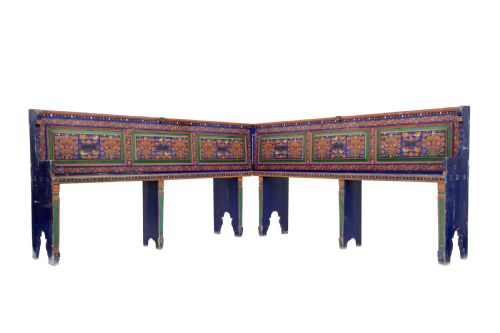


European Country Furniture
European country furniture brings honest utility and vernacular charm into a room, offering robust pine benches, cupboards, and chests built for everyday domestic life.
European Country Furniture
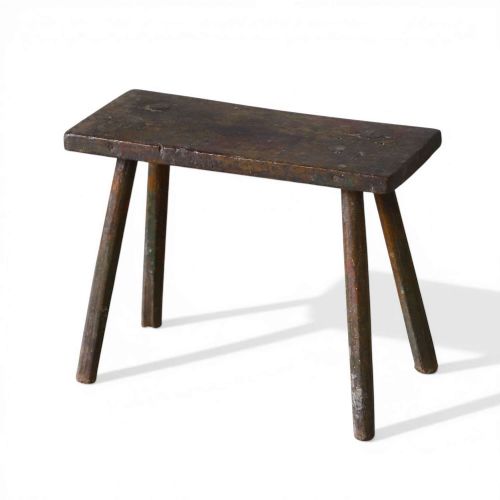
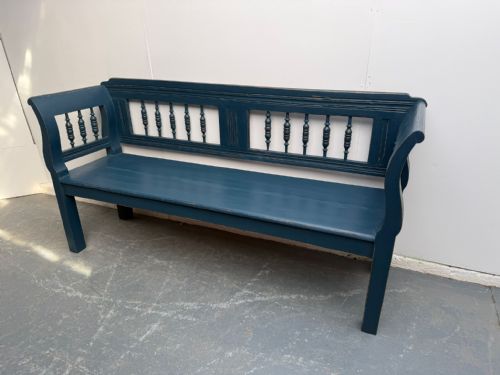
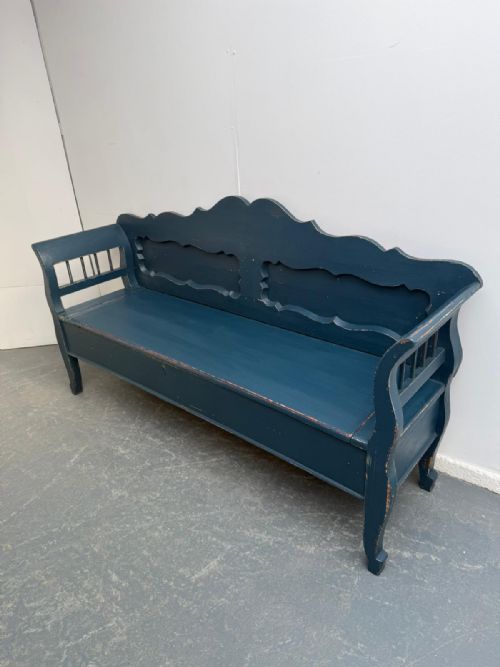
European country furniture encompasses utilitarian domestic pieces from regional workshops, spanning the Georgian, Victorian, and nineteenth-century periods. These items include seating such as settles, benches, and milking stools alongside larger storage forms like larder cupboards, commodes, and chests of drawers.
Buyers browsing this selection most frequently encounter nineteenth-century pine examples originating from Hungary, Austria, and Eastern Europe. These regional pieces often display distinct characteristics of folk art and rustic country styling.
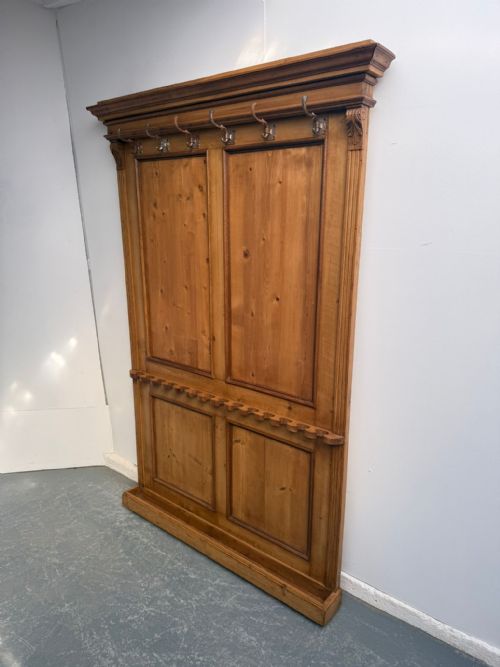
The forms range from compact corner seats and hall stands to substantial multi-seater benches intended for farmhouse kitchens and halls. Each piece reflects the practical requirements of rural households rather than courtly fashion.
How they were made
Makers relied primarily on softwood and pine, utilising local timber readily available in Alpine and Eastern European regions. Joinery was straightforward and sturdy, designed to withstand heavy daily use in rural environments.
Surfaces were frequently finished with paint or wax, preserving the softwood and adding regional character through decorative folk art motifs. Iron and brass hardware, including hinges and drawer pulls, provided durable functional fastenings.
European Country Furniture Retail Price Guide 2026
Typical asking prices for european country furniture among the pieces listed under this phrase on Sellingantiques today, from the lower quarter to the upper quarter. They describe what is for sale here now, not the wider market.
Listings feature pine and softwood forms from the nineteenth century, including settles, chests of drawers, and larder cupboards.
What varies in quality
Quality in these vernacular pieces rests upon the survival of original surface treatments, particularly early painted finishes and untouched patination. Pieces retaining their authentic blue or green pigment carry greater integrity than those stripped down to bare timber.
Proportion and construction strength also distinguish finer examples, where regional folk details and careful timber selection elevate a humble utility item into an expressive work of folk art.
The European Country Furniture Glossary
- Settle
- A wooden wooden bench with a high back, solid arms, and often a storage box beneath the seat. It was designed to block draughts in farmhouse kitchens.
- Commode
- A low cabinet or chest of drawers, typically featuring doors or drawers, originating from continental workshops. It served functional storage needs in domestic rooms.
- Folk art
- Artistic work created within a traditional culture by self-taught makers, often featuring painted decorations and vernacular motifs. It defines the regional character of many European country pieces.
- Larder cupboard
- A tall storage cabinet traditionally used for food provisions, constructed with panelled doors and internal shelving. These items formed an essential part of rural kitchen furniture.
- Pine
- A common softwood used extensively in vernacular cabinetmaking due to its availability and workability. It forms the structural base for most painted European country pieces.
European Country Furniture: Frequently Asked Questions
What is European country furniture?
European country furniture consists of utilitarian wooden objects made for rural homes, including pine benches, cupboards, and chests from regions like Hungary and Austria.
These pieces emphasise practical construction and regional styles rather than formal urban designs.
How were settle benches used?
Settle benches provided seating near farmhouse hearths, with high backs and solid sides designed to keep out cold draughts.
Many examples also incorporated enclosed storage space beneath the seat for household items.
How do I identify original painted finishes?
Original painted finishes show natural wear, patination, and layers that correspond to the nineteenth-century period of manufacture.
Examining the pigment closely reveals the age and authenticity of the surface decoration.
Where did these pieces originate?
The pieces originate from various European regions, notably Austria, Hungary, and Eastern Europe, reflecting local woodworking traditions.
Regional workshops adapted forms to suit the specific needs of rural domestic life.