




Etched Glass Stands
These etched glass stands are practical display pieces and table features that bring period charm to any room.
Etched Glass Stands
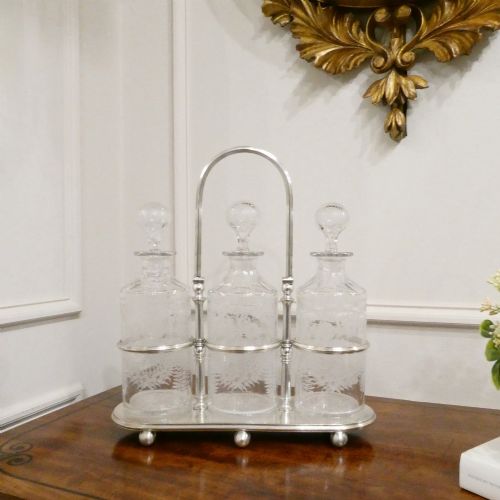
When you search for etched glass stands, you encounter a selection of Victorian and early twentieth-century items designed to elevate displays or hold lighting. The pieces on this page span several decades, reaching from the nineteenth century into the nineteen-thirties.
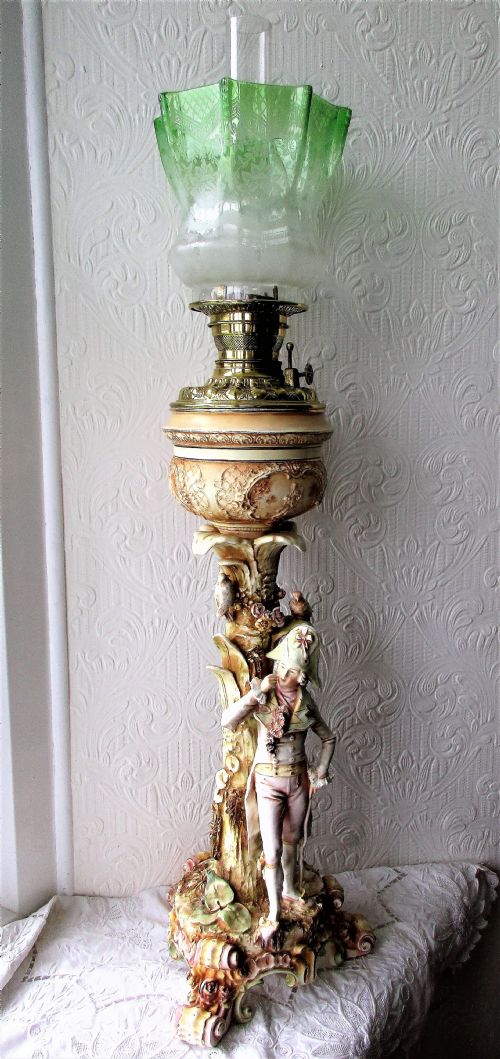
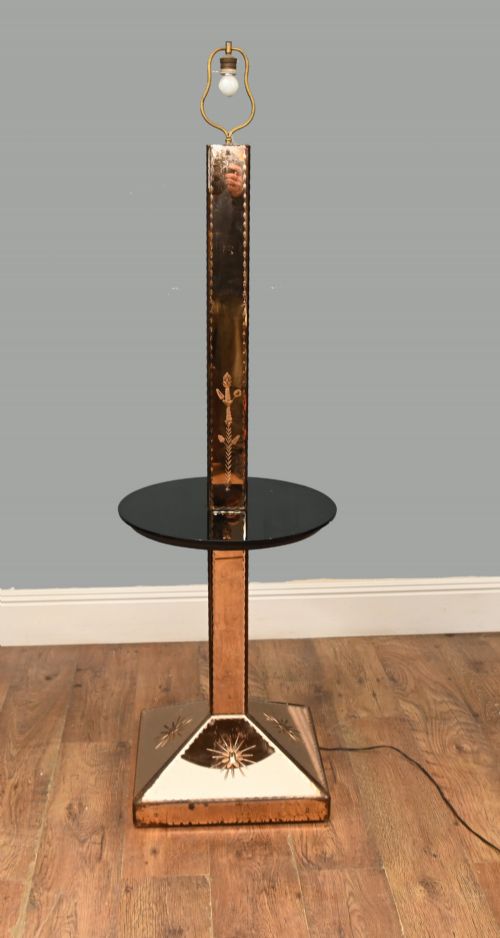
The objects take various forms including tazzas, épergnes, and mirrored table plateaus alongside associated items like oil lamps and candlesticks. Most examples date from the Victorian era and the Edwardian period, utilising clear, ruby, and mirror glass.
Makers and designers from these eras produced functional items that double as decorative table ornaments. A buyer looking through these listings finds pieces shaped by Victorian tastes as well as later Art Deco and Art Nouveau movements.
How they were made
The construction of these stands relies on combinations of glass and metalwork, pairing clear or ruby glass with silver plate, brass, and wrought iron. Artisans utilised moulding and etching techniques to decorate the glass surfaces with patterns.
Metal mounts and bases provide structural support for the glass elements, particularly in complex centrepieces and oil lamps. The integration of mirror glass and lead crystal demonstrates the technical skill applied during the nineteenth and twentieth centuries.
Etched Glass Stands Retail Price Guide 2026
Typical asking prices for etched glass stands among the pieces listed under this phrase on Sellingantiques today, from the lower quarter to the upper quarter. They describe what is for sale here now, not the wider market.
Listings feature items spanning the Victorian, Edwardian, and Art Deco periods, created from glass, brass, and silver plate.
What varies in quality
The distinction between standard items and finer examples lies in the execution of the glass etching and the quality of the metal mounts. Pieces associated with known makers or workshops display superior refinement in their decorative details.
The choice of materials, such as heavy silver plating or substantial brass bases, alters the overall weight and presence of the stand. Condition and proportion remain key factors when assessing the relative merit of each piece.
Walker and Hall·Rene Lalique
The Etched Glass Stands Glossary
- Tazza
- An ornamental shallow cup or plate mounted on a stem and foot. These stands serve to elevate fruit or decorative items on a dining table.
- Plateau
- A flat mirrored base placed on a table to reflect candlelight or hold decorative objects. These mirror glass stands protect surfaces and enhance displays.
- Lead crystal
- A high-clarity glass variety containing metal oxides that increase brilliance and weight. This material allows for deep and crisp etching work.
- Silver plate
- A base metal coated with a thin layer of silver to provide a bright finish. Many nineteenth-century stands utilise this technique for their mounts and frames.
Etched Glass Stands: Frequently Asked Questions
What are etched glass stands used for?
These stands serve primarily as decorative table pieces, centrepieces, and display platforms. Historically, they held items such as fruit, small desserts, or lighting fixtures.
Today, collectors utilise them as ornamental focal points on dining tables, sideboards, or mantelpieces. Their reflective surfaces and decorative etching add texture and period character to interior spaces.
How do I date an etched glass stand?
Dating involves examining the stylistic clues of the glasswork and any associated metal mounts. Victorian pieces often feature ornate floral etching and heavy silver-plated or brass fittings, whereas later Art Deco items show geometric influences.
Reference points include the specific manufacturing techniques used for the glass, such as moulding or lead crystal production. Comparing the form and decoration with documented periods helps establish a reliable timeline.
How should I clean my glass stand?
Maintenance requires gentle cleaning with warm soapy water and a soft cloth to protect delicate etched surfaces. Avoid harsh abrasives or chemical cleaners that might damage the glass or wear away silver-plated finishes.
Where metal components are attached, keep moisture away from joins to prevent tarnishing or corrosion. Careful handling during cleaning ensures the preservation of antique mountings and glass structures.
Are these stands suitable for daily use?
Many of these pieces remain robust enough for gentle everyday display or serving purposes. Consideration should be given to delicate elements like thin glass stems, mirrored plateaus, and silver-plated mounts.
Placing them away from heavy traffic areas protects them from accidental knocks. Careful handling allows you to enjoy these functional antiques as part of a modern interior.