

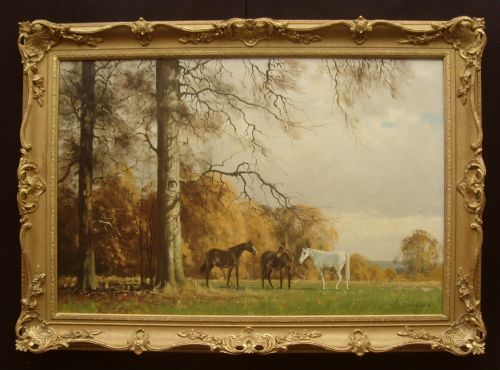
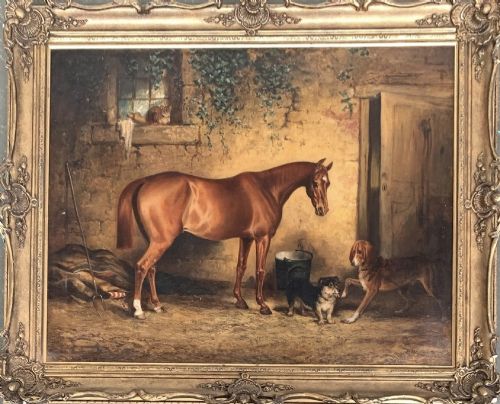
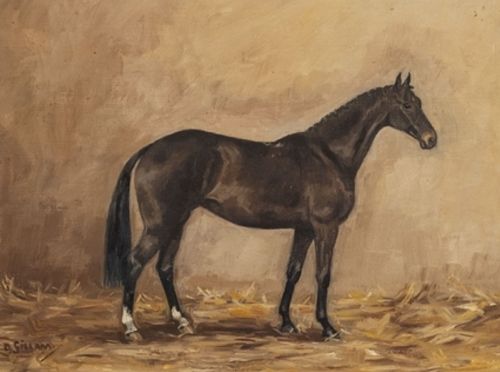
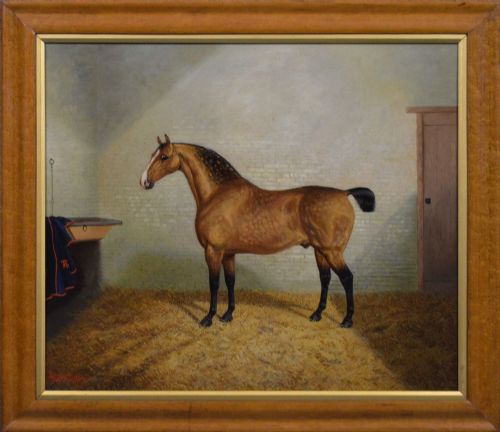


Equine Portrait Art
Equine portrait art captures the character and physique of prized horses through traditional paintings, pastels and photographic prints.
Equine Portrait Art
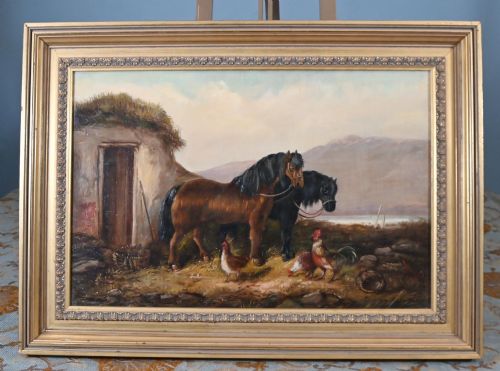
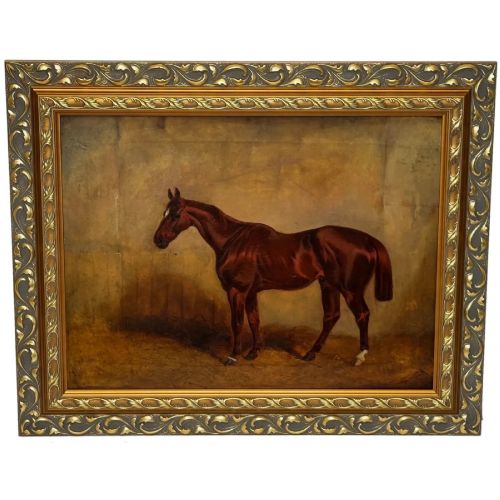
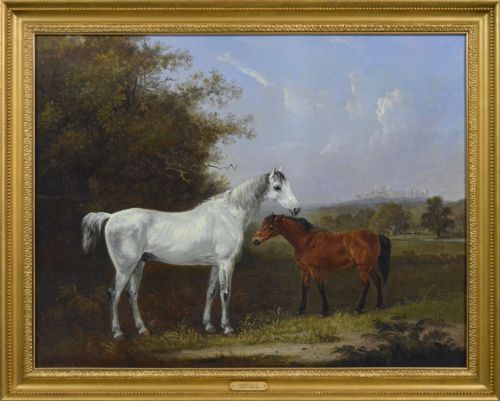
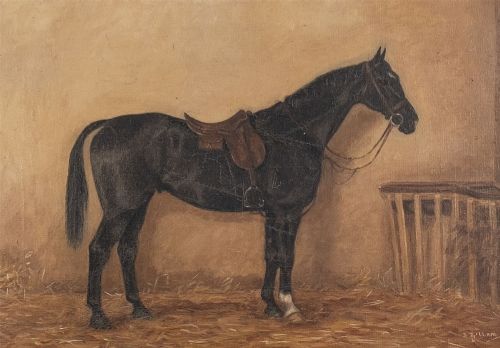
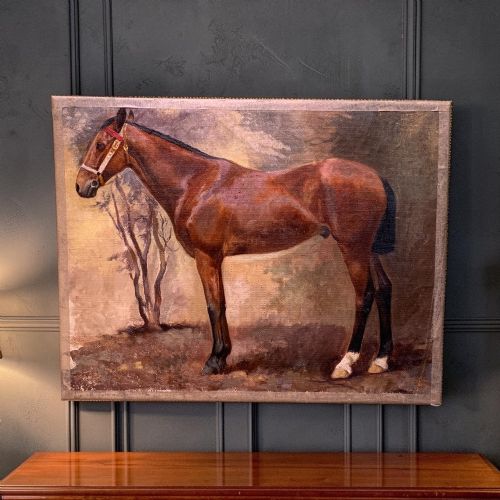
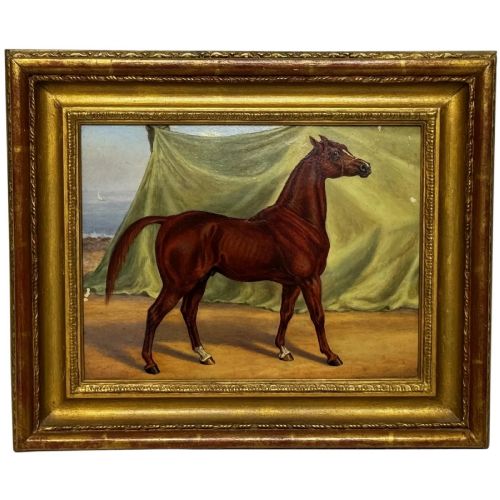
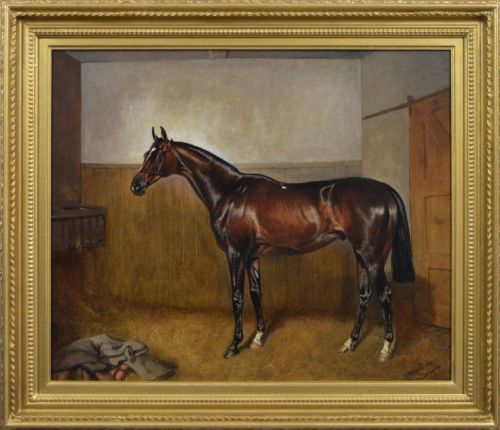
Equine portrait art captures the physical presence and individual character of specific horses, from celebrated racehorses and royal thoroughbreds to working hunters and farm animals. When searching for equine portrait art, buyers encounter traditional framed works spanning the eighteenth, nineteenth and early twentieth centuries. These pieces record the deep cultural and economic importance of horses through distinct stylistic eras such as the Georgian, Victorian and Edwardian periods.
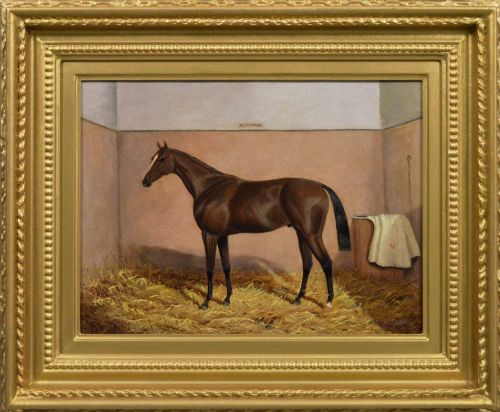
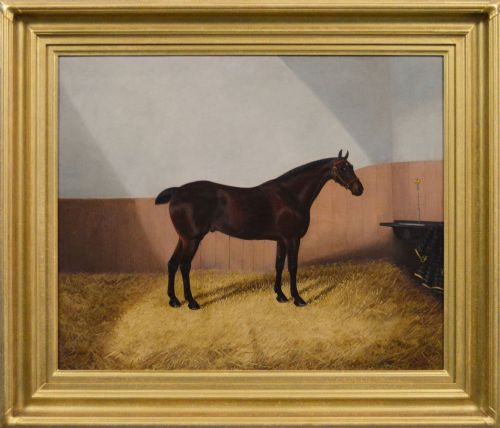
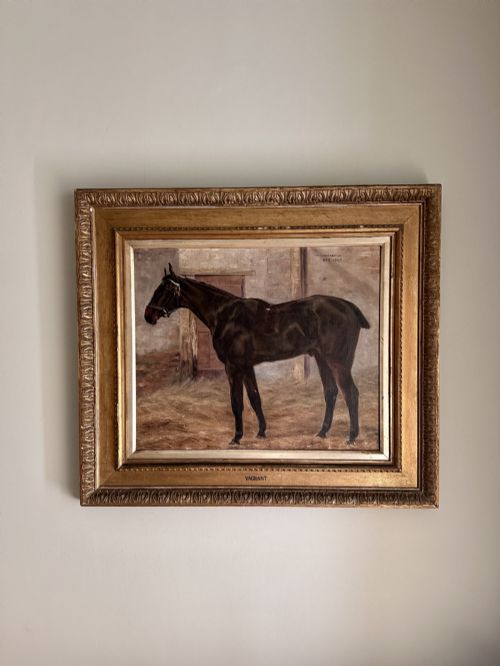
The most common formats on this page are oil paintings on canvas or wood panel, alongside pastels on paper and occasional watercolours or photographic prints. Subjects range from solitary stable studies and expansive rural landscapes to detailed portraits bearing the names of famous racehorses and their jockeys. Works originate from British, French and international hands, reflecting diverse regional approaches to sporting and agricultural subject matter.
Materials and construction methods
Artists primarily utilised oil paint applied to stretched canvas, wood panels or pine boards, building rich layers of colour to render musculature, coats and stable interiors. Pastels on paper offered a softer medium for capturing the delicate textures of grey and dappled coats in detailed studies. Frames frequently incorporated carved giltwood or gold leaf surrounds that enhanced the visual presence of the paintings.
Techniques varied between meticulous academic realism and looser expressive brushwork, depending on the artist and period. Works were secured within glazed or unglazed wooden frames, often retaining historic inscriptions, artist signatures or detailed provenance labels on the reverse.
Equine Portrait Art Retail Price Guide 2026
Typical asking prices for equine portrait art among the pieces listed under this phrase on Sellingantiques today, from the lower quarter to the upper quarter. They describe what is for sale here now, not the wider market.
The listings span the eighteenth century to nineteen-sixty, utilising oil paint, pastel and photographic print on canvas, wood panel and paper.
Factors determining quality
Quality rests upon the anatomical accuracy of the horse, the painter's command of light and shadow on skin and coat, and the vitality of the composition. Superior examples convey the distinctive temperament and conformation of the animal rather than presenting a generic formula.
The prominence of the subject - such as a documented champion racehorse by a recognised hand - elevates a piece, as does the preservation of the original surface and period frame.
Henry Barraud·Albert Clark·Fred Fitzpatrick·John Alfred Wheeler·Thomas Walker Bretland·John Ferneley Senior·George E Sharpe·Benjamin Cam Norton·Clifton Tomson·Alfred Moginie Bryant·Abraham Cooper RA·Charles Bilger Spalding RA·Walter Herbert Wheeler·James Barenger·William Shayer Snr
The Equine Portrait Art Glossary
- Pastel
- A dry medium composed of powdered pigment and a binder, shaped into sticks. It permits fine blending and vibrant tonal gradation on paper.
- Provenance
- The documented history of ownership of an artwork from its creation to the present day. Detailed provenance confirms authenticity and historical context.
- Thoroughbred
- A horse breed developed for racing, known for agility and speed. Many nineteenth-century portraits specifically record these named champions.
- Stable interior
- A compositional setting showing a horse within its housing. This setting often includes architectural details, grooming tools or stable lads.
Equine Portrait Art: Frequently Asked Questions
What is equine portrait art?
Equine portrait art encompasses paintings, pastels and prints dedicated to depicting horses as individual subjects. These works celebrate the physical attributes and histories of specific animals.
Created across multiple centuries, the genre records the close relationship between humans and horses in sport, agriculture and daily life.
How were these horse portraits used?
Owners and breeders commissioned these portraits to document prized racehorses, hunters and champions. The artworks served as proud testaments to sporting achievements and estate lineages.
They hung in country houses, estate offices and sporting clubs as both decoration and historical records of notable animals.
How do I live with antique horse paintings?
Antique horse paintings suit traditional and contemporary interiors alike, bringing a sense of history and warmth to a room. They pair naturally with wood furniture, neutral walls and classic decor.
Protect the pieces from direct sunlight and excessive humidity to preserve the oil paint, canvas and giltwood frames over time.
How can I tell the periods apart?
Periods are identified through clothing styles of jockeys or grooms, framing techniques, and the painting style itself. Georgian and early Victorian works often feature formal staging and specific lighting.
Later Victorian, Edwardian and mid-century pieces introduce looser brushwork, different pastel techniques or distinct photographic methods alongside traditional oils.