


Equine Art Painting
When you look for equine art painting, you enter a tradition of portraiture and sporting records spanning centuries of British and European craftsmanship.
Equine Art Painting
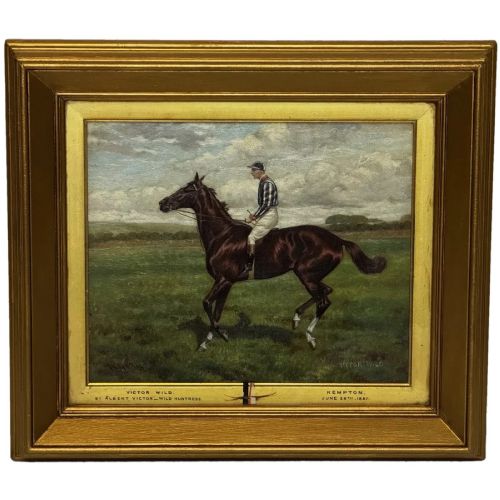
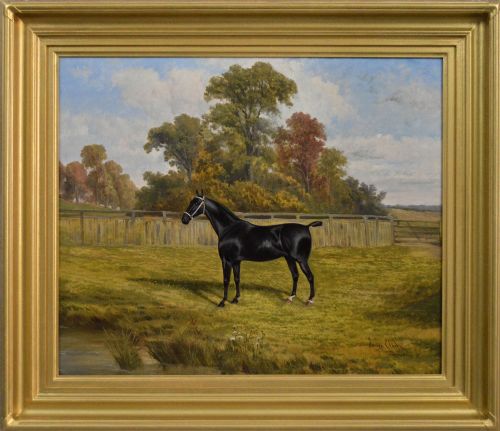
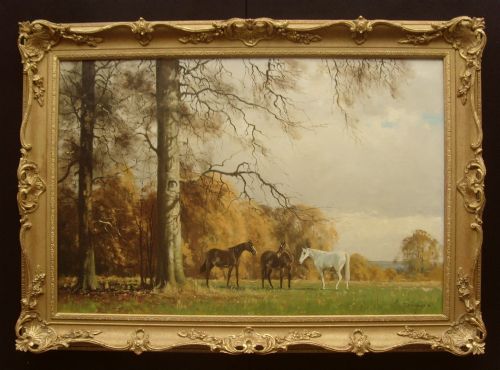
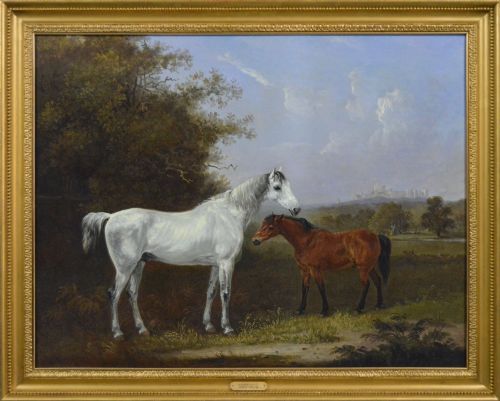
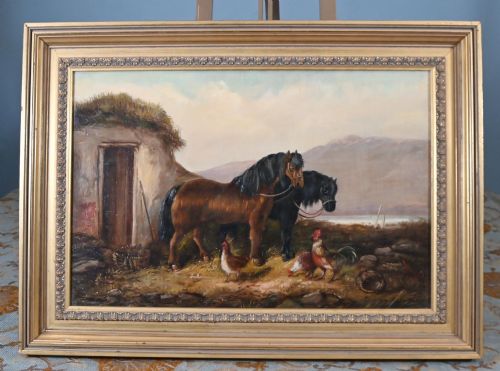
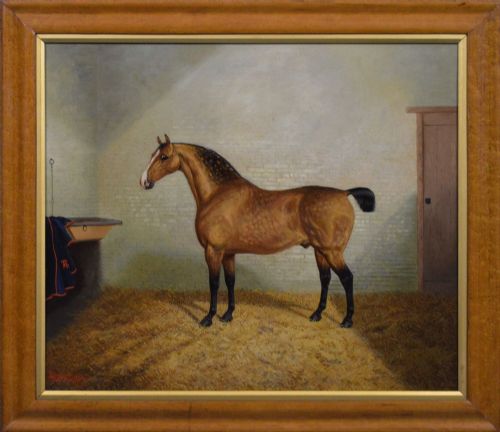
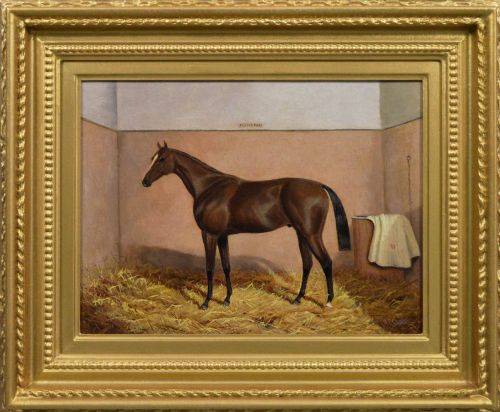
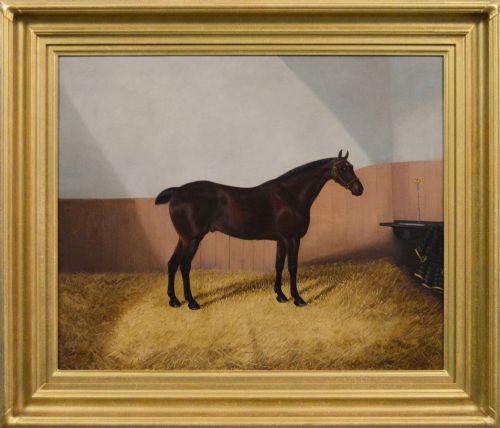
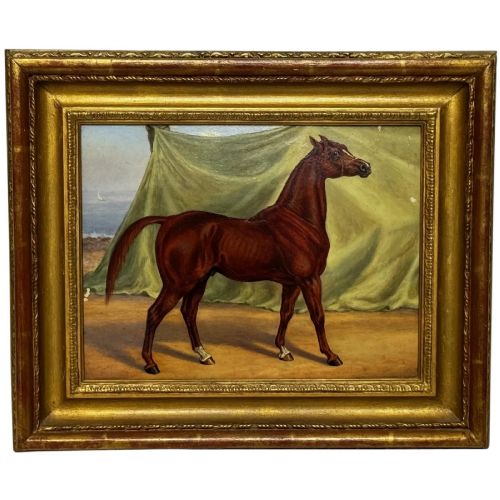
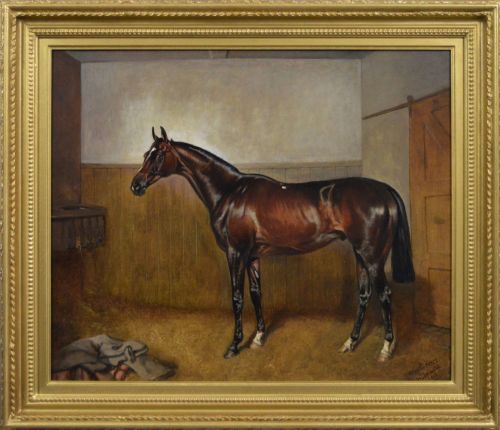
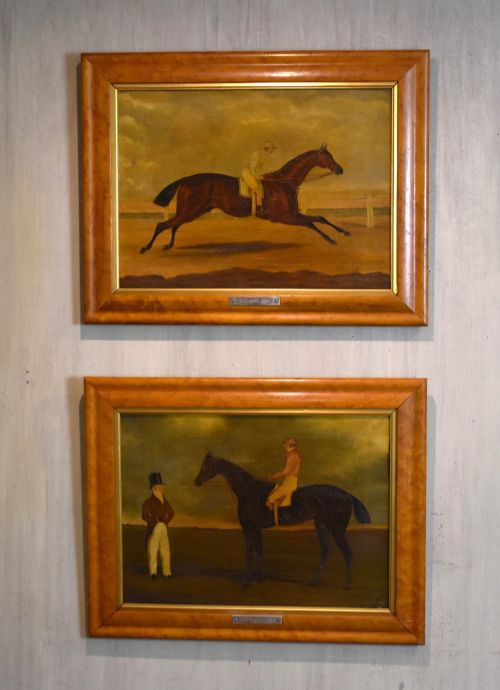
An equine art painting captures the physical character, lineage, and environment of horses, ranging from individual stable portraits to expansive rural landscapes and racing scenes. These works document specific animals, notable winners, and working farm animals across various historical periods.
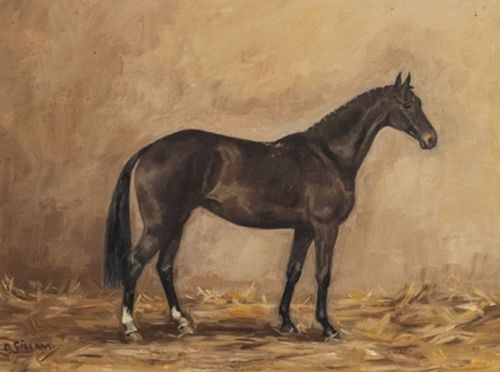
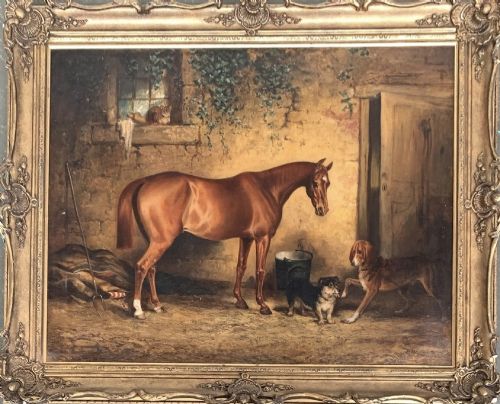
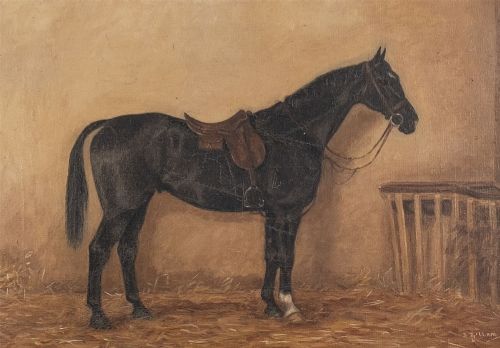
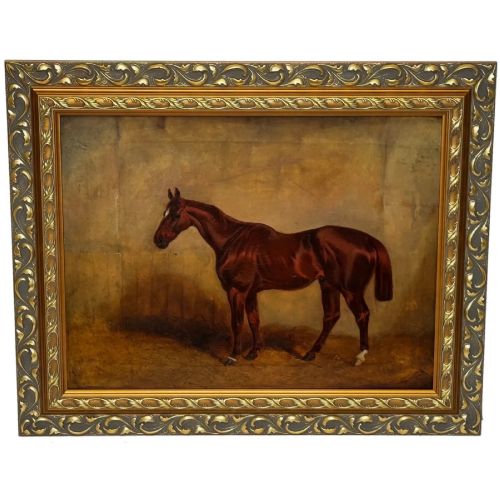
The most common pieces on this page are nineteenth-century oil paintings on canvas depicting individual hunters, racehorses, and farmyard scenes. Portraits often isolate the animal within a stable interior or set them against rolling countryside and estate grounds.
Works extend from Georgian and Victorian sporting compositions to early twentieth-century interpretations and mid-twentieth-century gouache or watercolour racing scenes. Alongside oils, buyers encounter painted prints, watercolours, and panel works originating from British and continental schools.
Materials and methods
Artists painted primarily with oil paint on stretched canvas or wooden panels, building up rich layers of pigment to render the sheen of a horse coat, muscle definition, and atmospheric landscapes. Support materials also include paper for watercolours, gouache, and pastels, sometimes housed behind glass within giltwood frames.
Framing often utilised ornate giltwood mouldings that enhanced the presence of the canvas, while the underlying preparation involved priming wood panels or linen canvases with traditional gesso grounds. Signatures, dates, and inscriptions were frequently applied directly to the lower margins or hidden within the composition.
Equine Art Painting Retail Price Guide 2026
Typical asking prices for equine art painting among the pieces listed under this phrase on Sellingantiques today, from the lower quarter to the upper quarter. They describe what is for sale here now, not the wider market.
Portraits frequently document named thoroughbreds, hunters, and stable yards across Britain, Ireland, India, and continental Europe.
Assessing quality
Quality rests upon the artist accuracy in capturing equine anatomy, proportions, and the distinct posture of a hunter or racehorse. Superior works demonstrate a sophisticated handling of light on the animal coat and a convincing integration of the subject within its surrounding landscape or stable interior.
The distinction between average and exceptional pieces also lies in the provenance and historical documentation associated with the named subject, whether a titled racehorse, a royal thoroughbred, or an identified estate. The execution of background details, such as stable architecture, grooms, and rural scenery, further separates skilled academic painters from standard commercial output.
Charles Bilger Spalding·Henry Barraud·Walter Robin Jennings·Edmund Bristow·Albert Clark·Fred Fitzpatrick·John Alfred Wheeler·Thomas Walker Bretland·John Frederick Herring·John Ferneley Senior·John Rattenbury Skeaping·W Williams·George E Sharpe·Eugene Joseph Verboeckhoven·Helena Maguire·Benjamin Cam Norton·Clifton Tomson·Alfred Moginie Bryant·Arthur Winter Shaw
The Equine Art Painting Glossary
- Canvas
- A heavy woven fabric stretched across a wooden frame to serve as a primary support for oil paintings.
- Giltwood
- Wood carved and coated with a thin layer of gold leaf, commonly used in traditional picture framing.
- Gouache
- An opaque water-based paint that dries to a matte finish, frequently utilised for detailed works on paper.
- Provenance
- The documented history of ownership and origin that establishes the authenticity and background of a piece.
- Panel
- A flat wooden board, often pine or mahogany, used as a rigid painting surface prior to the widespread adoption of canvas.
Equine Art Painting: Frequently Asked Questions
How do I identify the age of an equine painting?
Age is determined by examining the canvas weave, stretcher construction, framing style, and any signatures or inscriptions left by the artist on the reverse or front. Historical clothing styles of accompanying grooms or architectural details in the background also offer clues to the decade of creation.
Material analysis can confirm whether a work uses nineteenth-century lead whites or twentieth-century synthetic pigments. Comparing the subject against known historical racehorses or estate records further narrows the timeframe.
Were these paintings always created as portraits?
Many works functioned as formal commissions to record prized hunters, valuable stallions, or famous racehorses for their wealthy owners. Other pieces served as broader landscape, rural, or sporting scenes where horses played a central role in agricultural and village life.
Artists also produced intimate studies of mares, foals, and stable interiors purely for artistic exhibition or private collections. The intended purpose dictated whether the focus remained squarely on the animal conformation or the surrounding sporting narrative.
How should I hang and care for antique oil paintings?
Oil paintings on canvas require stable indoor humidity and temperatures away from direct sunlight and heat sources to prevent cracking in the paint layers and warping of the stretcher frames. Regular dusting with a soft, dry brush keeps the surface clear without introducing moisture.
Original giltwood frames need gentle handling because the gold leaf surface is delicate and prone to flaking. Avoid using liquid cleaners or chemical agents on either the canvas or the frame.
What is the difference between a sporting art painting and a standard portrait?
Sporting art specifically focuses on equestrian activities, racing, hunting, and rural pursuits, often detailing the equipment, handlers, and topography associated with country sports. Standard equine portraits isolate the horse as the sole subject, akin to human portraiture.
Sporting scenes incorporate dynamic action, such as a horse race or a hunt in progress, whereas portraits typically present a static, side-on study of the animal conformation. Both genres overlap significantly within nineteenth-century British painting traditions.