


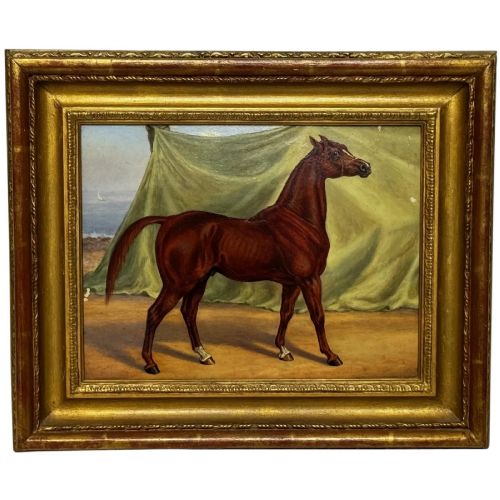


Equine and Animal Art
Equine and animal art captures the distinct character of horses and farm creatures through period paintings, drawings, and bronze sculptures.
Equine and Animal Art
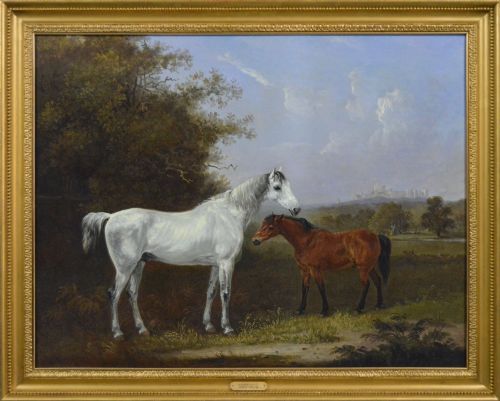
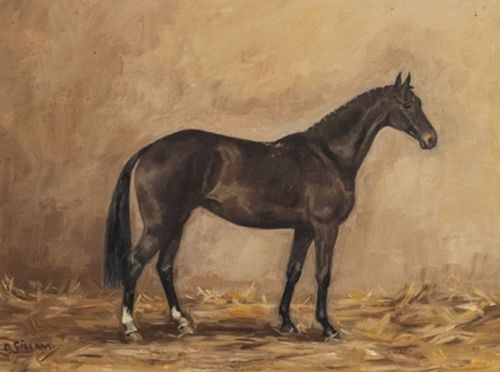
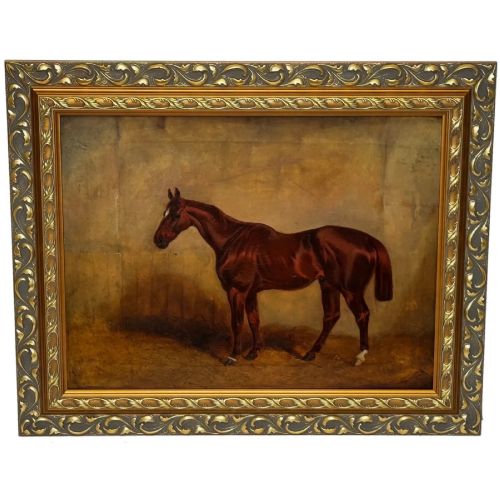
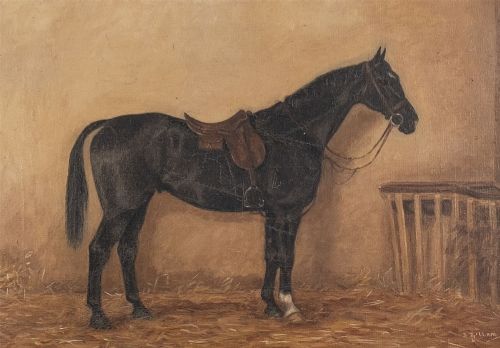
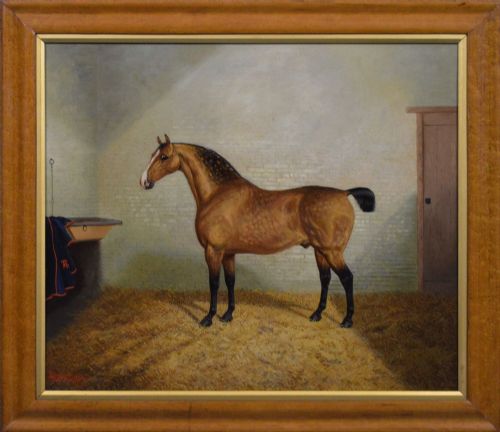
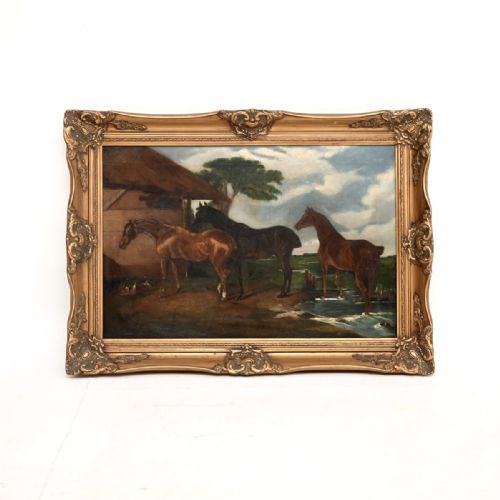
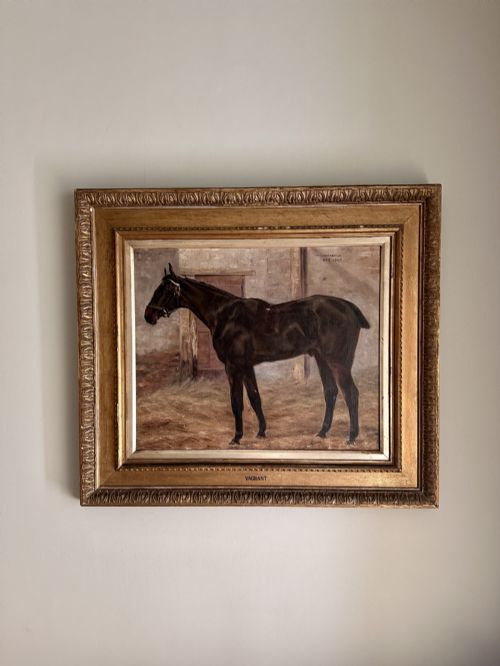
Equine and animal art encompasses depictions of horses, ponies, and farm animals rendered across the Georgian, Victorian, and early twentieth-century periods. These works capture specific subjects ranging from champion stallions and stable scenes to rural farmyards and coastal landscapes.
Oil paintings on canvas and framed artwork dominate the offerings, alongside sculptures in bronze and carved wood. Buyers frequently encounter nineteenth-century British school portraits and twentieth-century modernist interpretations.
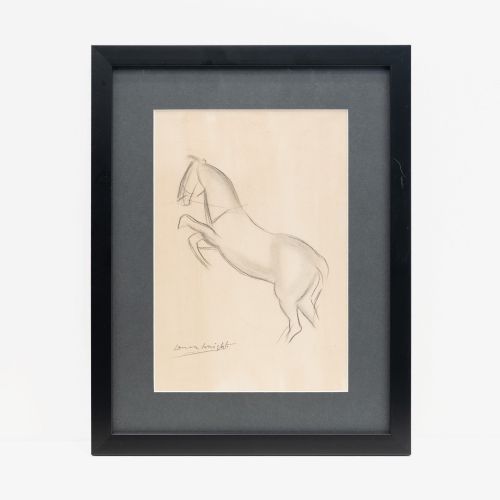
The selection extends from intimate animal watercolours and pencil drawings to large bronze statues and painted wooden toys. Each piece reflects the enduring historical fascination with horses and domestic animals in domestic and sporting contexts.
Quality and execution
Anatomy and movement dictate the success of the piece, separating skilled observation from stiff representation in equine subjects. Artists who command proportions and musculature convey genuine life in the animal.
Provenance and named authorship elevate individual works, particularly those associated with recorded nineteenth and twentieth-century painters and sculptors. The handling of background landscapes and light adds depth to the central animal portrait.
Equine and Animal Art Retail Price Guide 2026
Typical asking prices for equine and animal art among the pieces listed under this phrase on Sellingantiques today, from the lower quarter to the upper quarter. They describe what is for sale here now, not the wider market.
Listings span the Georgian, Victorian, and early twentieth-century periods, featuring oil paintings, watercolours, and bronze sculptures.
Charles Bilger Spalding·Edmund Bristow·Albert Clark·Fred Fitzpatrick·Dame Laura Knight·Eugene Joseph Verboeckhoven·John Frederick Herring·Helena Maguire·W.A. Clark
The Equine and Animal Art Glossary
- Oil on canvas
- Pigment suspended in drying oil applied to a woven fabric support. This traditional medium allows for deep colour saturation and gradual blending.
- Giltwood
- Wood carved and coated with gold leaf or a gold-coloured finish. It frequently frames period paintings.
- Bronze
- An alloy of copper and tin used in sculpture casting. It permits intricate detail and durable patination.
- Provenance
- The documented history of ownership of an artwork. It establishes authenticity and tracks past exhibitions or collections.
Equine and Animal Art: Frequently Asked Questions
How do I date an equine painting?
Examine the costume of any figures, the stretcher frames, and the canvas preparation methods. Stylistic shifts between Georgian formality and Victorian realism also offer clear chronological markers.
Signatures, dates inscribed on the reverse, and historical provenance records provide definitive confirmation of the period.
What is the difference between oil and watercolour animal art?
Oil paintings utilise heavy pigment on canvas to build rich textures and deep tones suitable for substantial wall display. Watercolours on paper offer a lighter, more immediate execution favoured for delicate illustrations.
Both mediums capture distinct facets of nineteenth and twentieth-century animal portraiture.
Where should I hang an oil painting?
Position paintings away from direct sunlight and fluctuating heat sources to protect the canvas and oil pigments from degradation. Stable indoor environments preserve the structural integrity of both the artwork and its frame.
Ensure adequate wall space allows the composition to be viewed clearly without crowding.
How do bronze sculptures differ from wooden carvings?
Bronze statues are cast using metal alloys to achieve fluid muscle definition and lasting durability. Carved wooden models rely on direct subtraction from timber, displaying distinct grain patterns and tool marks.
Each material requires specific handling and environmental stability.