




Equestrian Silver Horn
An equestrian silver horn combines functional sporting tradition with precious metalwork, offering collectors a striking piece of British field sports history.
Equestrian Silver Horn
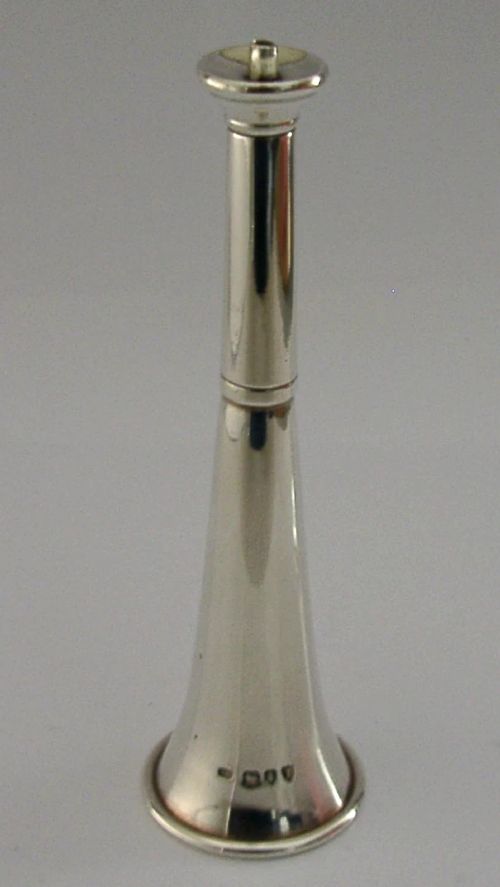
When you search for equestrian silver horn, you find specialised sporting items created for the hunting field, desk, or country house. These pieces range from detailed table lighters and hunting horns to desk tidies incorporating natural materials.
The versions you are most likely to meet on this page date from the Georgian, Victorian, and Edwardian periods. Makers utilised silver, sterling silver, silver plate, leather, horn, staghorn, and actual horse hoof to construct these functional items.
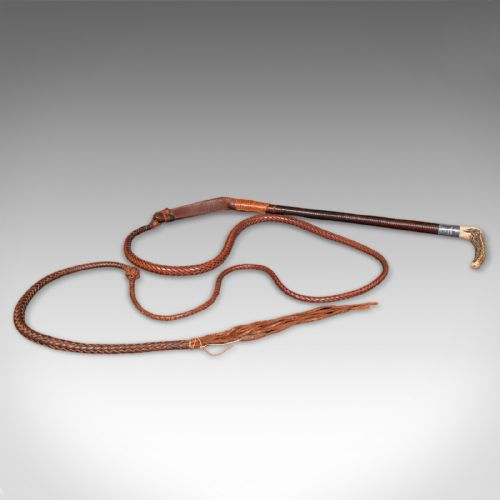
Forms include hunting bugles, riding crops, hunting whips, table cigar lighters, inkwells, and paperweights. English country and Victorian sporting styles dominate the selection, reflecting the era's preoccupation with equestrian pursuits.
How they were made
Silversmiths shaped sterling silver and silver plate to form collars, mounts, and complete horn bodies. Natural horn, staghorn, and horse hoof were trimmed, polished, and fitted with metal accents by skilled craftsmen.
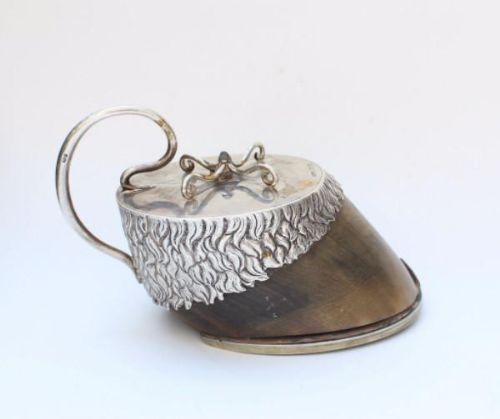
Leather was braided and stitched around cores for riding crops and hunting whips, often secured with hallmarked silver collars. Taxidermy techniques were applied to preserve and mount horse hooves as desk tidies and paperweights.
Equestrian Silver Horn Retail Price Guide 2026
Typical asking prices for equestrian silver horn among the pieces listed under this phrase on Sellingantiques today, from the lower quarter to the upper quarter. They describe what is for sale here now, not the wider market.
Listings feature items from the Georgian, Victorian, and Edwardian periods, utilising silver, sterling silver, leather, horn, horse hoof, and staghorn.
What varies in quality
The refinement of the silver mountings and the crispness of maker marks dictate the standard of an equestrian silver horn piece. Simpler folk art items contrast with elaborate, hallmarked creations bearing the stamps of recognised silversmiths.
The preservation of natural materials such as hoof, leather, and horn determines the overall integrity of the object. Superior examples display careful taxidermy work and robust construction designed for active sporting use or formal desk display.
Braham·Sampson Mordan·John Meek·Swaine Adeney
The Equestrian Silver Horn Glossary
- Sterling silver
- A silver alloy containing 92.5 percent pure silver and 7.5 percent other metals, typically copper. This standard composition is frequently hallmarked on equestrian items.
- Silver plate
- A layer of silver applied to a base metal core. Many utilitarian hunting and desk accessories utilised this method to provide the appearance of solid silver.
- Hunting horn
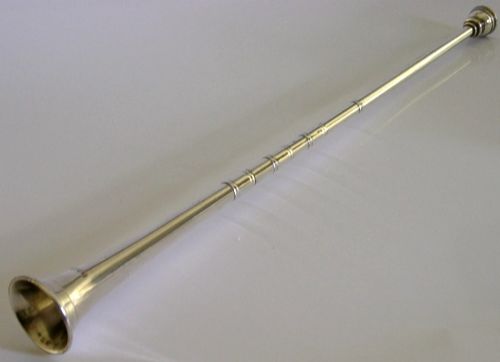
- A brass or silver wind instrument used by riders to signal hounds and fellow hunters during a fox hunt. These range from short pocket versions to long bugles.
- Taxidermy
- The art of preparing, stuffing, and mounting the skins or parts of animals with lifelike effect. This technique appears in horse hoof desk tidies and paperweights.
- Riding crop
- A short, stiff whip used in horse riding, typically fitted with a silver collar or handle. Makers like Swaine Adeney specialised in producing these leather and silver accessories.
Equestrian Silver Horn: Frequently Asked Questions
What is an equestrian silver horn used for?
These items served practical roles in the field and the country house. Hunting horns signaled hounds during a chase, while table lighters and inkwells functioned as desk accessories.
Many pieces also doubled as decorative conversation starters, reflecting the prominent place of horse sports in daily life during the Victorian and Edwardian eras.
How do I identify a Victorian piece?
Victorian examples often feature clear hallmarks detailing the assay office, date letter, and silversmith's mark. Stylistic clues include elaborate decorative chasing and the pairing of silver with taxidermy elements.
Makers active during this period stamped their wares with specific registry marks or monograms that help narrow down the exact year of production.
Why are horse hooves used in these antiques?
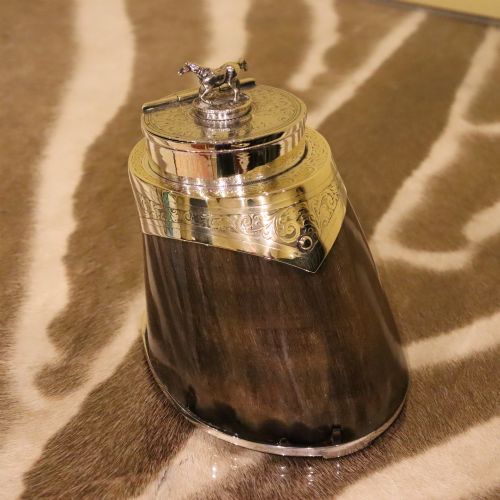
Equestrian culture valued practical mementos of beloved mounts and successful hunting seasons. Taxidermists and silversmiths converted horse hooves into durable desk tidies, inkwells, and paperweights.
Fitted with silver mounts and inscribed shields, these items commemorated specific animals and the rural traditions of the English country house.