


Equestrian Illustration Art
Equestrian illustration art brings together centuries of horses, riders and hounds captured in watercolour, ink and chalk on paper.
Equestrian Illustration Art
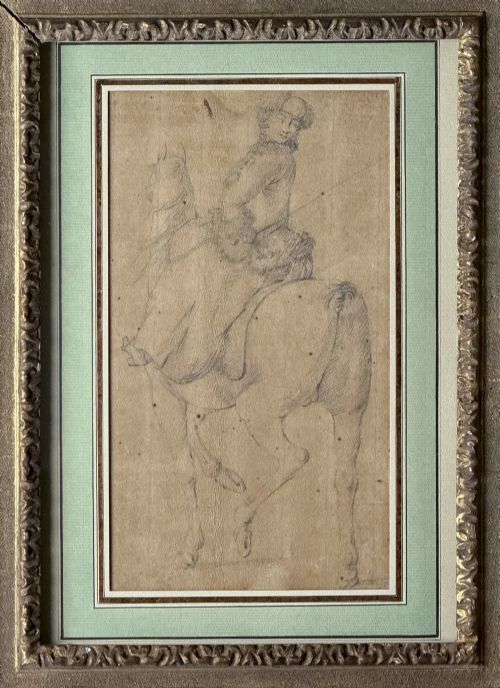
Equestrian illustration art spans centuries of paper-based works, focusing predominantly on horses, hunt scenes and military subjects. Buyers encounter everything from early eighteenth-century Northern European school drawings to twentieth-century sporting watercolours and prints.
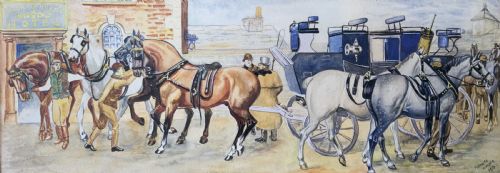
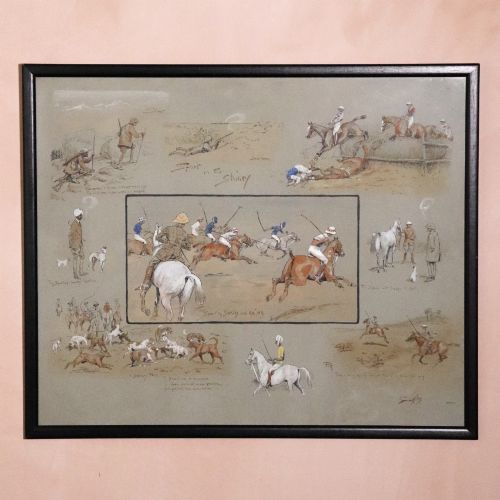
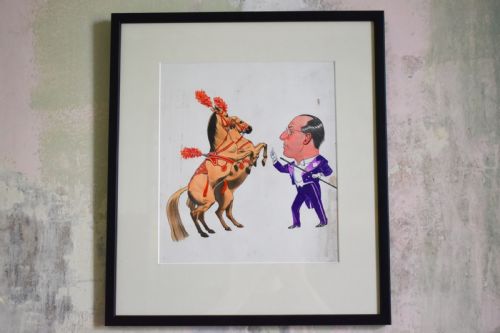
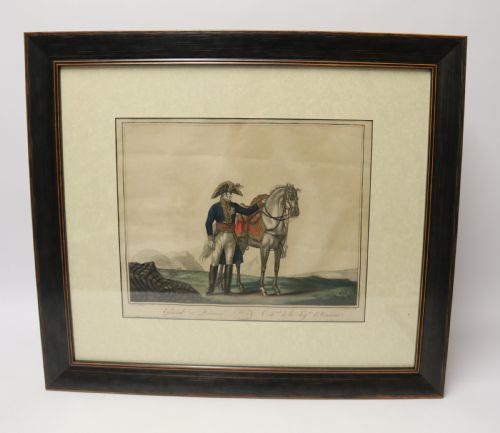
The material takes many forms on this page, including framed watercolours, chalk drawings, pen and ink sketches, and original prints. These pieces record hounds, jockeys, carriages and military encounters through the eyes of period artists.
Victorian and Edwardian items appear frequently alongside earlier and later pieces, showing how artists across generations documented horses at work and play. Framed artworks range from simple single sheets to complete sets of prints.
Materials and techniques
Artists worked primarily on paper, applying watercolour, ink, pencil, chalk and charcoal to render horses and riders with precision. Many works combine media, such as pen and wash or heightened charcoal, to build depth and texture.
Framing forms an integral part of these pieces, with oak frames, walnut frames and glass protecting delicate paper surfaces. Hand-colouring and signed details appear across prints and drawings from the nineteenth and twentieth centuries.
Listings feature works created using watercolour, ink, pencil, chalk and charcoal on paper.
Factors of quality
The strength of the draftsmanship and the vitality of the subject set the finest works apart from standard illustrations. A lively depiction of a galloping horse or a well-composed hunt scene demonstrates an artist's command of movement.
Condition and preservation dictate the standing of paper works, particularly how well the watercolour, ink or chalk retains its original tones beneath glass. Signed pieces by recognised hands carry distinct art-historical weight compared to unsigned sketches.
Cecil Charles Windsor Aldin·Michael Lyne·William J Hodgson·Charles Clifford Turner·Helena Maguire
The Equestrian Illustration Art Glossary
- Watercolour
- A painting method where fine pigment is suspended in water-based solution on paper. It allows for transparent washes and fine linear details in equestrian subjects.
- Lithograph or Print
- A mechanical or printed reproduction of an original artwork on paper. Many sporting prints from the nineteenth and twentieth centuries were hand-coloured after printing.
- Wash
- A thin, transparent layer of diluted ink or watercolour applied across paper. This technique creates atmospheric backgrounds and shadows in hunt drawings.
- Chalk drawing
- A piece executed using dry mineral or pigment material on paper. Artists utilised chalk to build quick, expressive studies of horses and riders.
- Framed artwork
- A picture enclosed within wood or glass for protection and display. Period frames often utilise oak or walnut to complement the drawing within.
Equestrian Illustration Art: Frequently Asked Questions
What periods do these pieces date from?
The selection spans from the eighteenth century through the Victorian and Edwardian eras into the mid-twentieth century. Works document changing artistic styles across these periods.
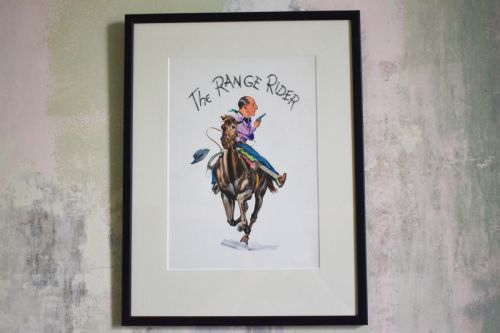
Buyers find everything from early Northern European school studies to interwar cartoon watercolours and prints.
How should I display paper art safely?
Keep framed pieces away from direct sunlight to prevent the watercolour pigments and inks from fading over time. Maintaining stable indoor humidity protects the paper and the wooden frames.
Ensure the glass does not touch the surface of the drawing directly to avoid moisture damage.
Are these works original or printed?
The listings include both original hand-drawn or painted works on paper and original period prints. Descriptions specify whether an item is an ink drawing, watercolour or printed plate.
Signatures and handwriting on the sheets often help distinguish unique creations from published editions.
What subjects feature in these works?
Common subjects include hunting scenes, racehorses and jockeys, military horses, and everyday equestrian travel. Artists captured hounds in full cry as well as quiet portraits of individual horses.
Cart traps, coaching scenes and historical battle depictions also appear frequently across the items.