



Epstein Cloud Chairs
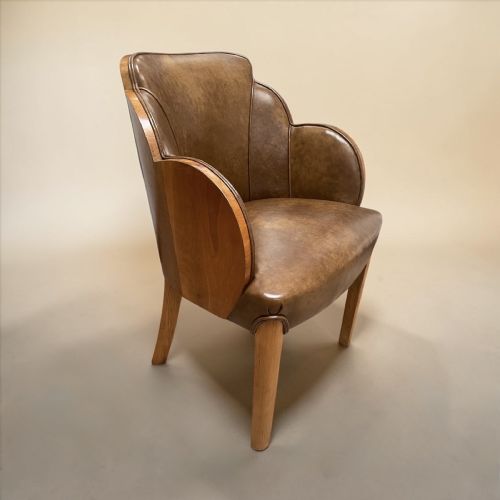
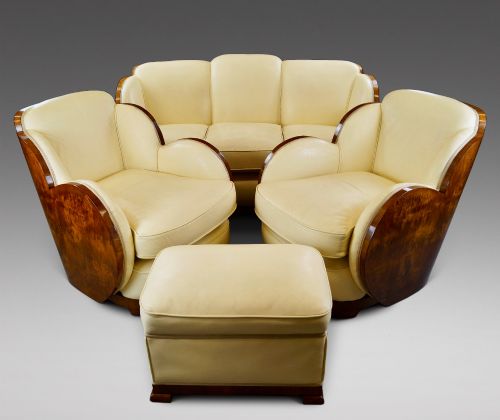
These Epstein cloud chairs are iconic Art Deco seating pieces defined by voluminous, rounded forms that collectors seek for bold interiors.
Epstein Cloud Chairs
Epstein cloud chairs are distinctive Art Deco seating options that appear mainly as armchairs, side chairs, and components of larger dining and lounge suites. The titles show these pieces originating primarily from the 1930 period, along with examples dated around 1920.
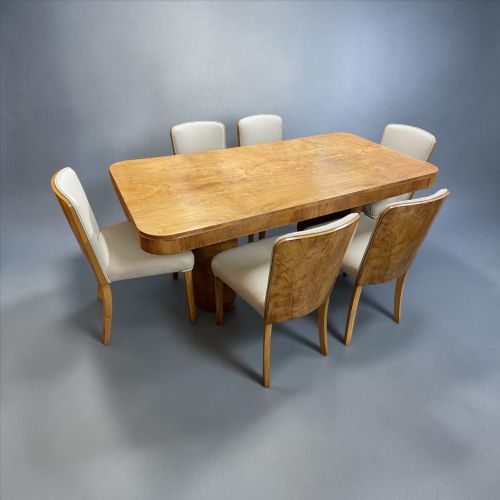
A buyer examining this selection encounters single armchairs, matched pairs, and full dining sets accompanied by tables. The distinctive curved backrest profile defines the cloud designation across these varied seating forms.
How they were made
Maker workshops constructed the frames using solid hardwoods like oak and general wood substrates, then applied decorative wood veneers including burr walnut, burr maple, walnut, and sycamore. These figured veneers were arranged symmetrically on the surfaces to highlight the natural grain patterns.
Upholstered sections utilised leather fitted tightly to the substantial padded contours of the backs and seats. The joinery combined traditional cabinet-making methods with robust internal framing to support the generous proportions.
Epstein Cloud Chairs Retail Price Guide 2026
Typical asking prices for epstein cloud chairs among the pieces listed under this phrase on Sellingantiques today, from the lower quarter to the upper quarter. They describe what is for sale here now, not the wider market.
Listings feature pieces from the 1920 and 1930 periods, executed in leather, burr walnut, walnut, oak, burr maple, and sycamore.
What varies in quality
The choice of surface veneer creates a primary distinction between examples, with burr walnut and burr maple surfaces offering greater visual complexity than plain walnut or sycamore. Matched pairs and complete dining suites demonstrate higher workshop ambition than isolated single chairs.
The complexity of the upholstered form and the retention of original timber finishes distinguish individual pieces. Surviving suites maintaining their original table and chair combinations represent the upper tier of the maker's output.
Harry and Lou Epstein·Epstein
The Epstein Cloud Chairs Glossary
- Cloud back
- A rounded, billowing upholstered backrest design characteristic of Epstein Art Deco seating. This profile provides the namesake silhouette for the chairs.
- Burr walnut
- A figured wood veneer harvested from walnut tree growths, producing swirling grain patterns. Makers applied this material to prominent exterior surfaces.
- Art Deco
- A design style dominant in the 1920 and 1930 periods characterised by streamlined forms and modern materials. Epstein pieces apply this aesthetic to heavy upholstered seating.
- Sycamore
- A light-coloured hardwood used occasionally for framing and veneer work on specific chair pairs. It offers a paler visual contrast to walnut.
Epstein Cloud Chairs: Frequently Asked Questions
What defines an Epstein cloud chair?
These pieces are distinguished by their rounded, voluminous upholstered backrests that resemble stylized clouds. They emerged during the Art Deco period from the London workshops of the Epstein brothers.
Makers combined sturdy hardwood frames with figured veneers like burr walnut to create substantial lounge and dining seating. The silhouette remains one of the most recognizable designs from the interwar British furniture trade.
Are these chairs comfortable for daily use?
The deep padding and substantial armrests provide a relaxed seating posture suited to lounge environments. Their generous proportions require adequate floor space in modern rooms.
Dining variants offer upright support while maintaining the characteristic rounded back profile. Most examples function well for regular sitting when the internal padding has been properly maintained.
How do I identify a genuine Epstein piece?
Authentic examples display the characteristic voluminous upholstered shapes and high-grade veneer work typical of the Epstein brothers' output. Documentation often links them to dining suites or paired armchair sets from the 1930 period.
Construction methods reflect British cabinet-making standards of the interwar decades. Comparing the timber grain and frame proportions against documented workshop pieces helps confirm attribution.
What wood types were used?
Workshops frequently employed burr walnut, walnut, and sycamore for the visible exterior surfaces. Solid hardwoods provided the underlying frame stability.
The choice of veneer defined the visual richness of each suite, with burr maple also appearing on select armchair pairs. These materials reflect the decorative priorities of 1930 furniture design.