



1930s Cloud Chairs
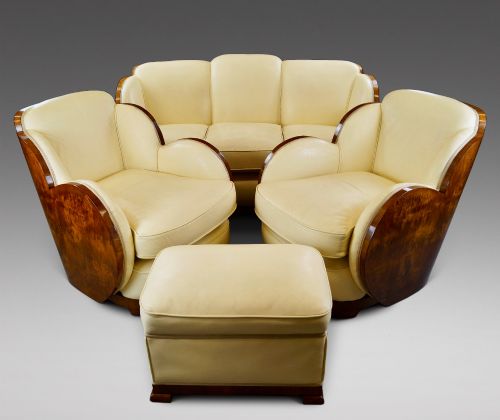
These 1930s cloud chairs are substantial Art Deco seating pieces defined by rounded, sculptural upholstery that brings unmistakable presence to a room.
1930s Cloud Chairs
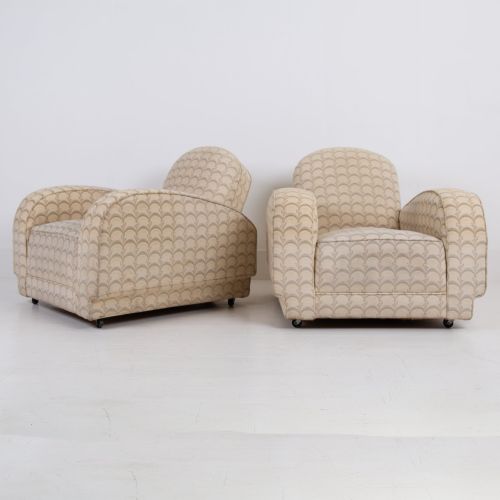
When you search for 1930s cloud chairs, you encounter low, deep-seated armchairs and matching suites created during the Art Deco period. The style takes its name from the generous, curving upholstery that resembles stacked cumulus clouds, offering a distinct alternative to linear furniture.
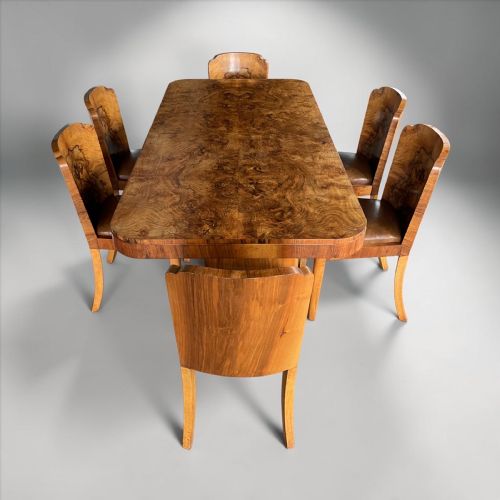
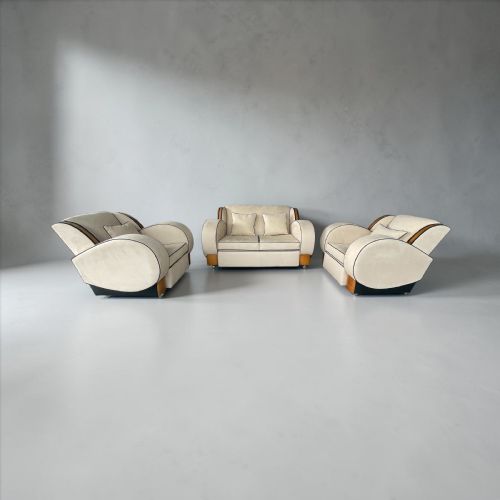
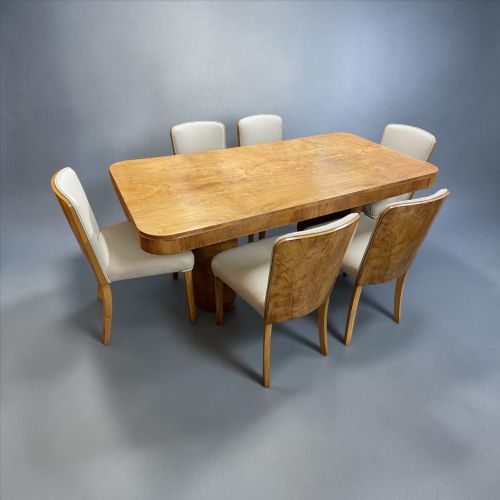
The pieces appearing on this page span the 1920 and 1930 periods, encompassing individual armchairs, side chairs, and larger dining sets or lounge suites. Many examples showcase the distinctive cloud-back silhouette alongside dining tables and miniature apprentice pieces.
How they were made
Makers built the foundational frames of these chairs using timber, wood, oak, and hardwood, providing rigid support beneath the heavy cushioning. Burr walnut and walnut veneers often wrap the exposed wooden elements, displaying rich natural grain patterns that contrast with the fabric.
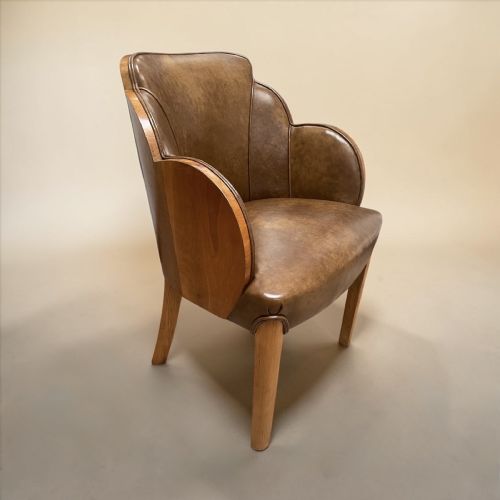
Upholsterers shaped the voluminous backs and seats using traditional padding techniques, finishing the exterior in either textile fabric or leather. The joinery and framing work together to support the sweeping, curvilinear forms characteristic of the era.
1930s Cloud Chairs Retail Price Guide 2026
Typical asking prices for 1930s cloud chairs among the pieces listed under this phrase on Sellingantiques today, from the lower quarter to the upper quarter. They describe what is for sale here now, not the wider market.
Listings feature Art Deco pieces built from timber, oak, hardwood, and walnut, alongside leather and fabric upholstery.
What varies in quality
Quality rests significantly on the precision of the woodwork and the choice of surface timber, where figured burr walnut veneer commands particular attention for its decorative grain. The execution of the curved wooden elements dictates the overall harmony of the design.
The success of a piece also depends on how skillfully the upholstery captures the intended organic silhouette without appearing overly bulky. Matching suites and pieces bearing documented maker attribution demonstrate superior workshop origin.
Harry and Lou Epstein·Hary and Lou Epstein·Epstein
The 1930s Cloud Chairs Glossary
- Art Deco
- A design style dominant in the 1920s and 1930s characterised by streamlined forms, geometric symmetry, and luxurious materials. It represents a departure from traditional ornamentation in favour of modern elegance.
- Burr Walnut
- A highly prized wood veneer taken from the warted growth on a walnut tree, yielding complex, swirling grain patterns. Cabinetmakers used it on prominent surfaces to create visual depth.
- Apprentice Piece
- A miniature scale model constructed by a trainee craftsman to demonstrate mastery of joinery and proportions. These smaller items replicate full-sized furniture designs with exact detail.
- Tank Suite
- A robust style of Art Deco lounge seating featuring heavy, blockish proportions and substantial upholstered armrests. The name derives from the solid, armoured appearance reminiscent of military vehicles.
1930s Cloud Chairs: Frequently Asked Questions
What defines a cloud chair?
These chairs are characterised by thick, rounded, sweeping upholstery formations that resemble stacked clouds. The design abandons sharp angles in favour of continuous, organic curves.
Such seating typically sits low to the floor and offers deep, encompassing comfort combined with bold visual presence.
Are these chairs comfortable for daily use?
The generous padding and deep proportions provide a relaxed seating posture suited to modern living spaces. Their solid timber frames ensure structural stability.
Users find them accommodating for lounging, though the low seat height differs from standard dining chairs.
How do I identify Epstein pieces?
Attributions to the Epstein workshop often appear in dining suites, occasional chairs, and burr walnut lounge settings from the 1930 period. The craftsmanship reflects distinctive Art Deco scaling and premium wood selection.
Matching suites frequently combine tables and side chairs displaying consistent stylistic signatures.