



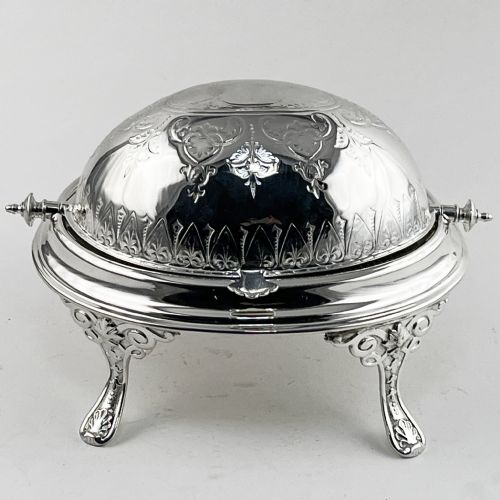


Epns Serving Dish
An epns serving dish brings solid Victorian and Edwardian weight to the table through electroplated nickel silver.
Epns Serving Dish
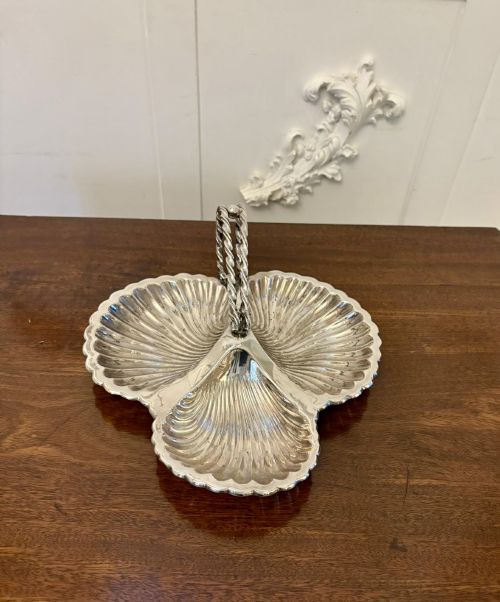
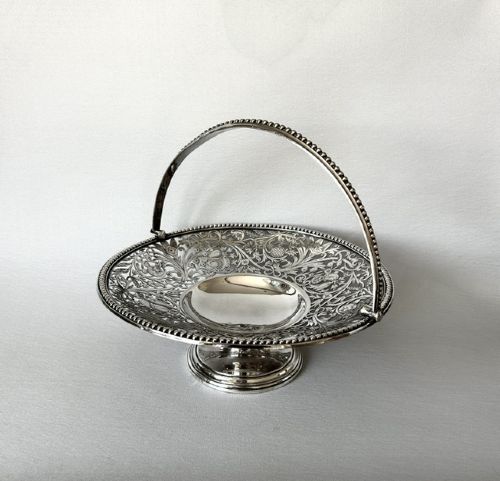
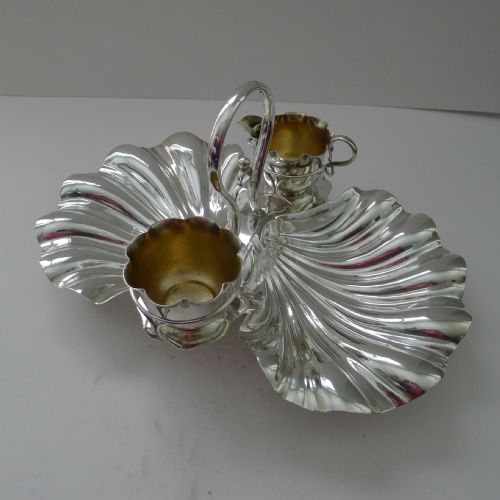
An epns serving dish encompasses a range of silver plated tableware designed for presentation at the table, spanning fruit baskets, entree dishes, tureens, and specialist dishes for asparagus or butter. You will frequently encounter rectangular and oval entree dishes from the Edwardian period, alongside Victorian fruit baskets and revolving lidded dishes.
The selection on offer spans from the mid nineteenth century through the Victorian and Edwardian eras up to Art Deco pieces of the nineteen twenties. Forms vary from simple bowls and meat covers to complex double rollover dishes and items complete with original stands and ladles.
Materials and plating
These pieces are built upon base metals such as nickel silver, which then receive a coating of silver plate through the electroplating process. Certain items also incorporate wooden elements or feature a gold wash interior.
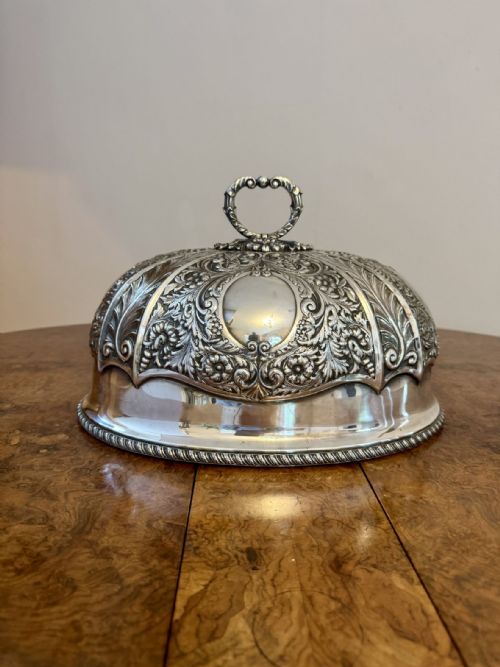
Makers applied decorative techniques including floral engraving and pierced metalwork to shape the surfaces of baskets, cloches, and trays.
Some Victorian breakfast tables featured a revolving lidded butter dish so guests could reach the butter without asking.
Quality factors
Quality rests in the crispness of the chased or engraved floral details and the structural integrity of hinged and revolving mechanisms on pieces like double rollover dishes and butter warmers. Better examples retain their original stands, inserts, and matching ladles without modification.
The weight of the base nickel silver and the evenness of the silver plating determine durability and the longevity of the finish under regular polish.
Daniel Arter·Elkington·Walker & Hall·Mappin and Webb·Daniel and Arter of Birmingham·John Collyer Birmingham
The Epns Serving Dish Glossary
- EPNS
- Electroplated Nickel Silver. This denotes a base metal alloy of copper, nickel, and zinc coated with a layer of silver through electrolysis.
- Entree dish
- A covered vessel designed for serving portions of food at the dining table. These often feature removable handles for versatile stacking.
- Cloche
- A bell shaped cover used to keep food warm on a serving dish. They appear in pairs and singly across Victorian and Edwardian listings.
- Double rollover dish
- A form of serving dish with rotating or rolling lids that open to reveal compartments within. They are typical of late nineteenth century engineering.
Epns Serving Dish: Frequently Asked Questions
What is an epns serving dish?
An epns serving dish is a piece of table silver made by electroplating a silver layer over a nickel silver base metal. These items were produced extensively during the Victorian and Edwardian periods for domestic dining.
They include utilitarian forms like meat covers and asparagus dishes alongside decorative baskets and tureens designed to hold food at the table.
How do I clean my silver plate?
Silver plate requires gentle cleaning with a specialist non abrasive silver polish and a soft cloth to protect the underlying electroplated layer. Avoid harsh scrubbing or dips that can strip the plating from the nickel silver base.
Regular light dusting and careful hand washing after use will maintain the lustre without wearing down the engraved details.
How do I tell Victorian from Edwardian pieces?
Victorian serving dishes often feature heavier floral engraving, elaborate piercing, and more ornate forms such as revolving lidded butter dishes or fruit baskets. The nineteenth century style leans toward dense ornamentation and substantial proportions.
Edwardian pieces tend toward cleaner outlines, lighter proportions in oval and rectangular entree dishes, and refined classical revival motifs.
Can I use these dishes for food?
These items were made specifically for serving food during the nineteenth and early twentieth centuries. Many owners continue to use them for entertaining today.
It is wise to check the condition of the interior surface and ensure any gold wash or silver plating remains intact before serving acidic foods.