



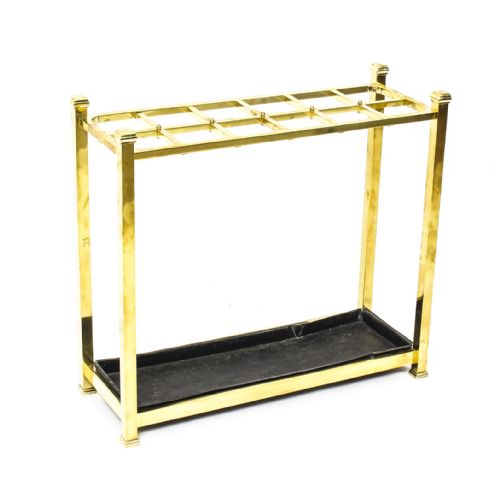
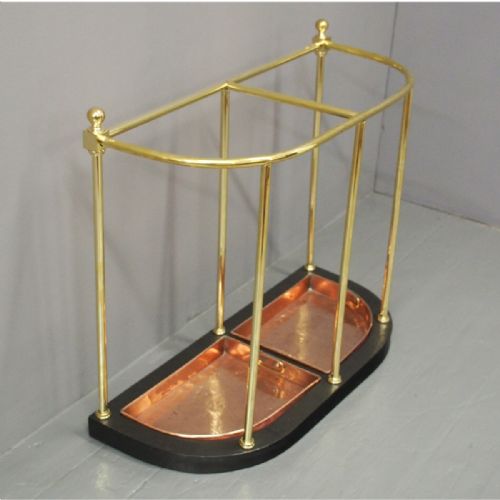

Entryway Cane Stand
An entryway cane stand is a hall furniture piece designed to organise walking sticks and umbrellas.
Entryway Cane Stand
When you search for an entryway cane stand, you encounter hall furniture designed to organise walking sticks and umbrellas in a domestic entrance. The examples recorded here span periods from the nineteenth century into the twentieth century, including Victorian, Edwardian, and Art Deco eras.
The versions you are most likely to meet on this page take the form of umbrella stands, stick stands, and hall stands. These pieces originate from distinct design movements such as the Victorian Aesthetic Movement and French Neoclassical styles.
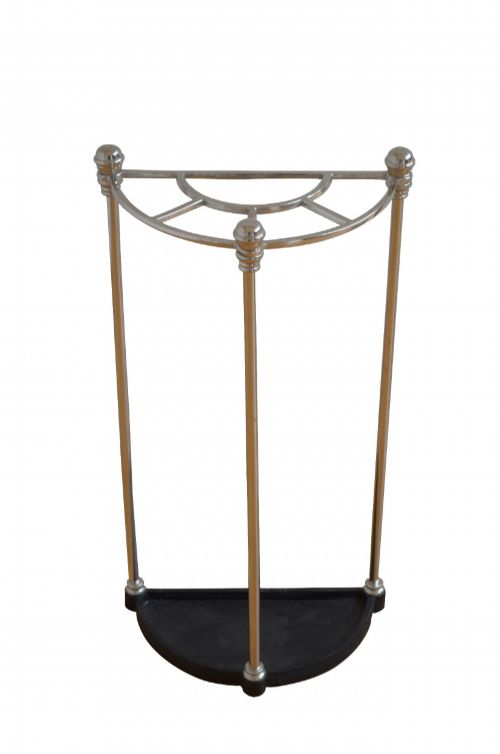
Makers and workshops utilised diverse structural formats, ranging from demi lune corner designs to twelve division frames. The object types vary between dedicated umbrella and stick holders and broader hall furniture incorporating side tables.
How they were made
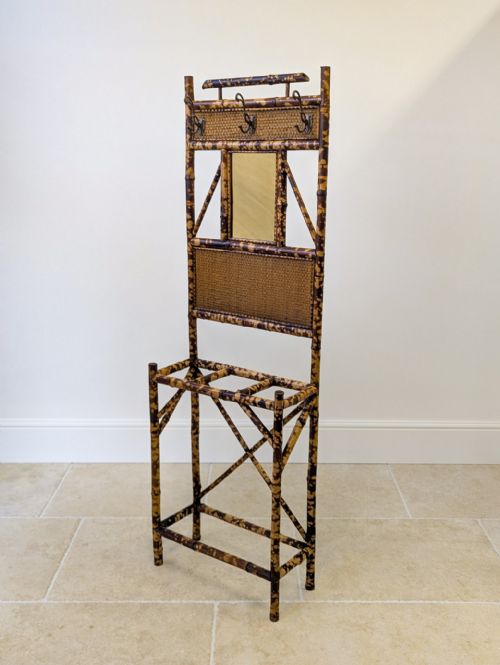
Makers constructed these pieces using a combination of cast iron, brass, steel, and nickel alongside traditional timbers such as oak and walnut. Bamboo and faux bamboo also appear frequently, often paired with metal drip pans or frames.
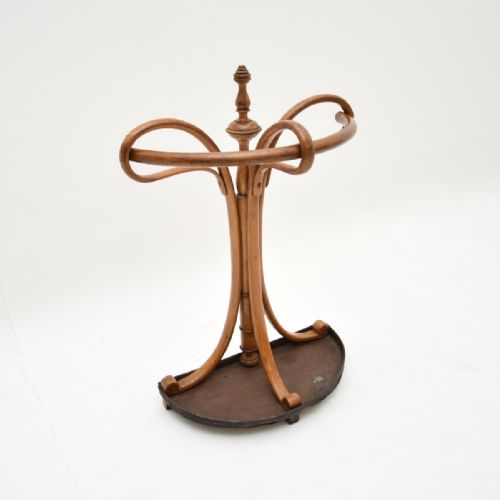
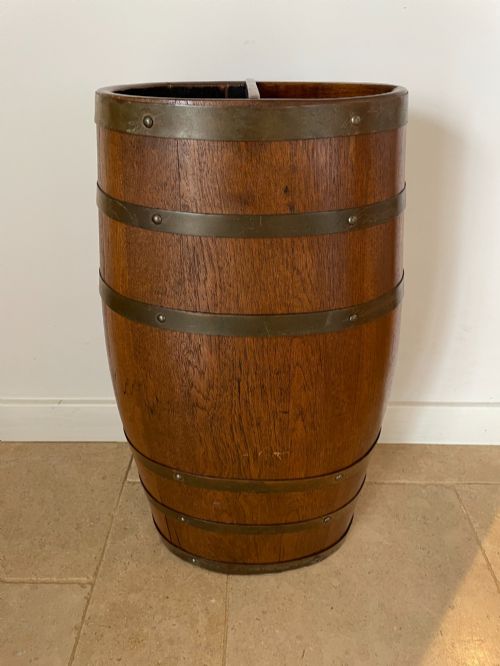
Bent beechwood and rattan demonstrate alternative curving techniques applied to organic materials during the early twentieth century. Coopered construction techniques appear in oval wooden stick stands, utilising staves held by metal bands.
Entryway Cane Stand Retail Price Guide 2026
Typical asking prices for entryway cane stand among the pieces listed under this phrase on Sellingantiques today, from the lower quarter to the upper quarter. They describe what is for sale here now, not the wider market.
The listings show materials ranging from cast iron and brass to oak, walnut, bamboo, and bent beechwood across multiple centuries.
What varies in quality
The standard of materials and metalworking distinguishes different tiers of these objects, particularly in the weight of cast iron frames and the finishing of brass or nickel components. Solid oak and walnut construction indicates higher grade cabinet work compared to lighter composite builds.
Refinement in decorative detailing, such as hand carved wooden elements or specific Aesthetic Movement bamboo framing, separates standard utility items from more ambitious workshop productions.
Thonet·Honourable Company of Edinburgh Golfers
The Entryway Cane Stand Glossary
- Demi lune
- A half moon shape used for furniture designed to fit flat against a wall in hallways.
- Coopered
- Built from wooden staves joined side by side with metal bands, similar to barrel construction.
- Aesthetic Movement
- A late nineteenth century design style emphasising visual beauty over narrative subject matter.
- Faux bamboo
- Wood carved or painted to imitate the segmented growth rings of natural bamboo.
Entryway Cane Stand: Frequently Asked Questions
What is an entryway cane stand?
An entryway cane stand is a piece of hallway furniture specifically built to hold walking sticks, canes, and umbrellas upright.
These objects keep entranceways tidy by containing wet tips and organising vertical accessories.
How were they used in period homes?
Residents and visitors placed their walking aids and wet umbrellas into these stands immediately upon entering the house.
They stood in hallways, vestibules, and entrance lobbies for daily convenience.
How do I date an oak stand?
Dating oak examples involves looking at the construction methods, such as coopered staves or revival joinery styles.
Period indicators also include associated metal hardware like brass rails and cast iron liners.
What materials are most common?
The recorded pieces frequently utilise metals like brass, cast iron, and nickel alongside timbers such as oak and walnut.
Bamboo, bent beechwood, and rattan also appear across Victorian and twentieth-century examples.