

Engraved Silver Trinket
An engraved silver trinket brings pocket-sized craftsmanship from the Georgian and Victorian eras straight to your desk.
Engraved Silver Trinket
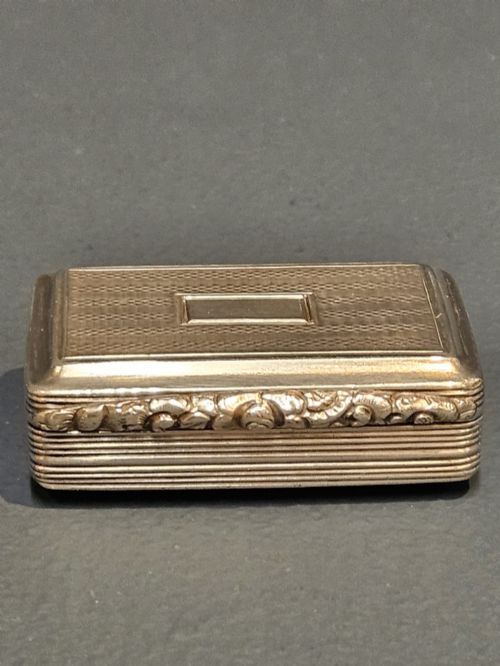
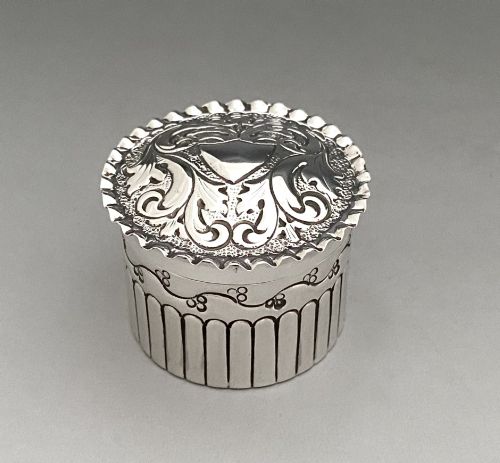
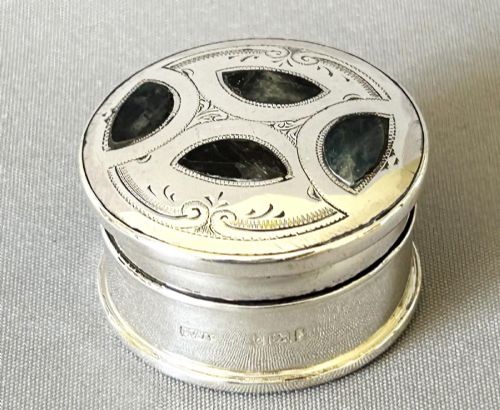
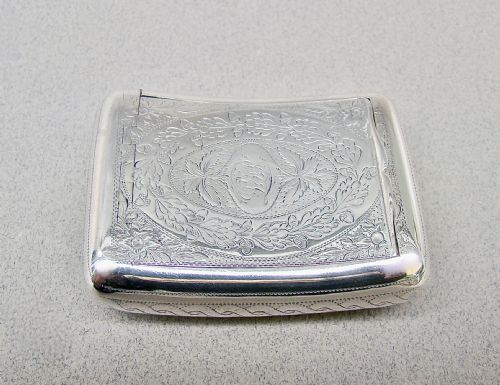
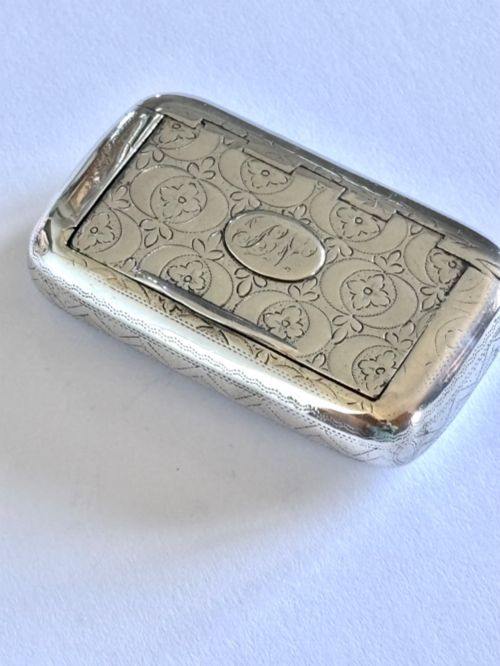
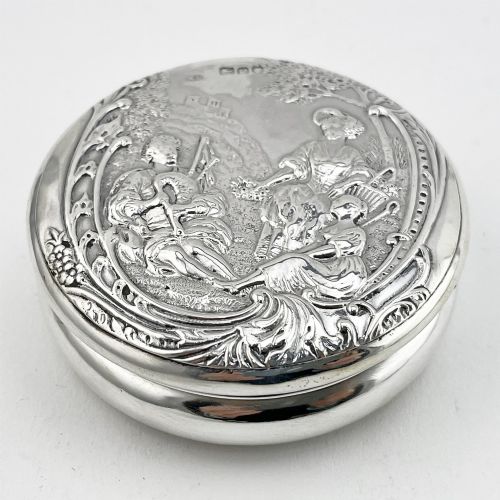
When searching for an engraved silver trinket, buyers encounter small personal containers intended for holding items like snuff, pills, or small jewels. The selection spans compact boxes, vinaigrettes, and pill containers originating across the Georgian, Victorian, and Edwardian periods.
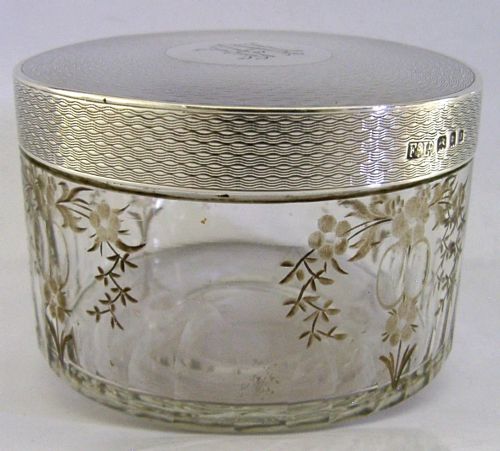
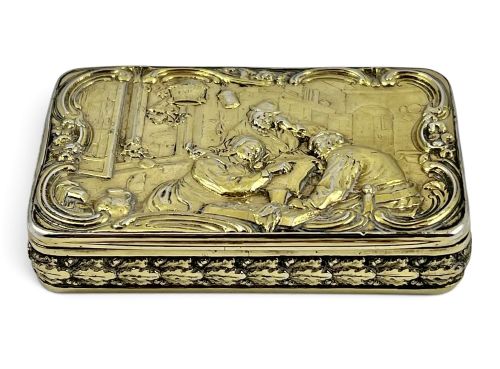
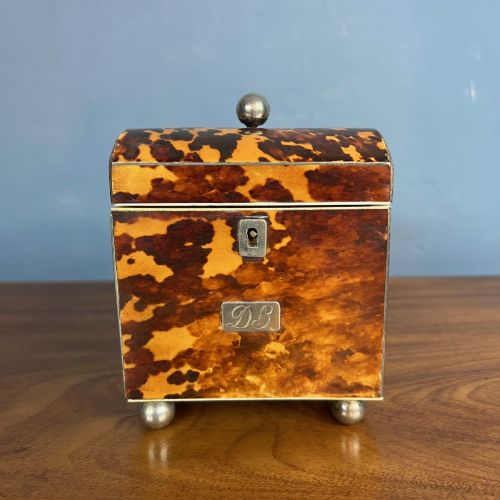
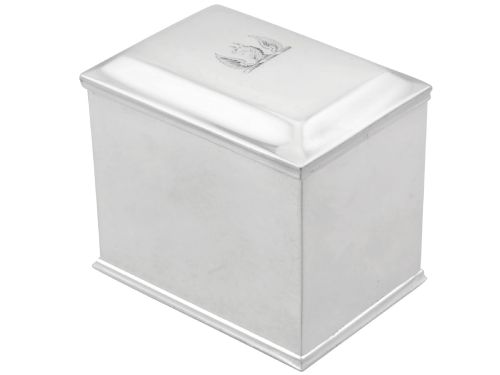
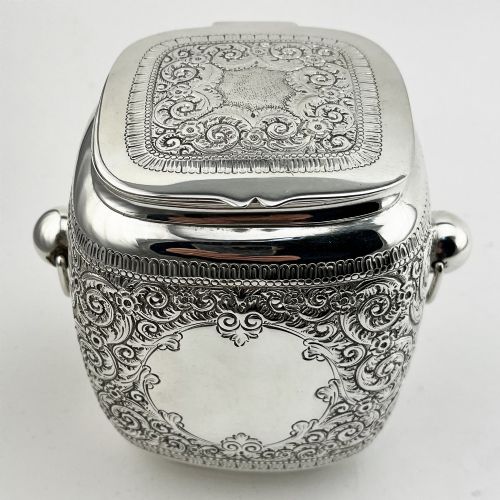
The objects take various forms including snuff boxes, trinket boxes, and tea caddies shaped from sterling silver, silver gilt, and silver plate. Many items incorporate supplementary materials such as agate and cut glass to complement the metalwork.
English silver dominates the selection, with numerous pieces bearing hallmarks from Birmingham and London silversmiths active during the nineteenth century. Continental and Anglo-Indian variations also appear among the broader range of small silver vessels.
How they were made
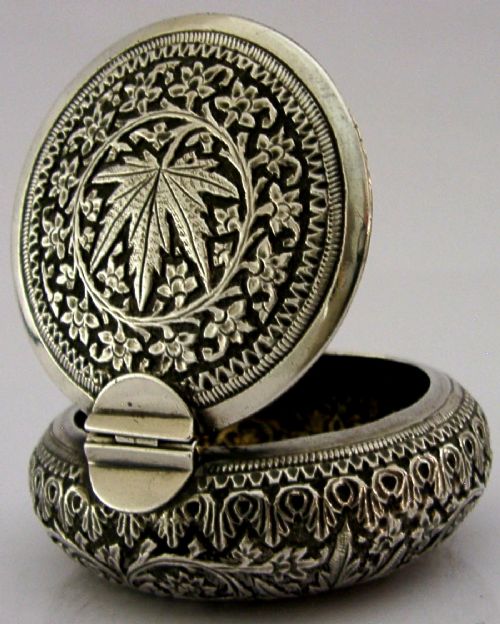
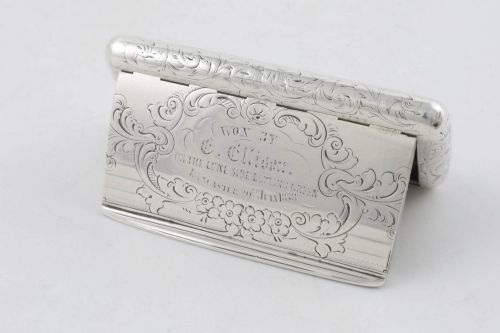
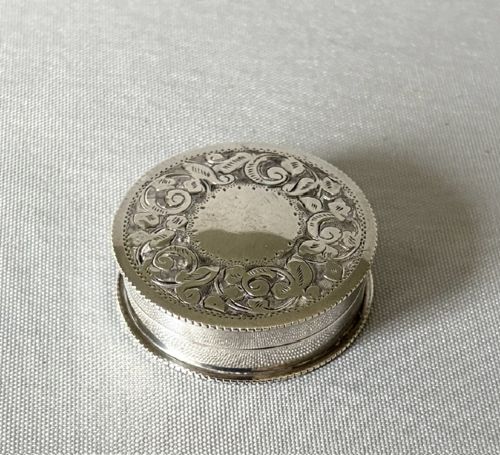
Silversmiths constructed these vessels primarily from solid sterling silver or utilised silver gilt over a base metal, applying techniques like bright-cutting and chased floral borders to ornament the surfaces. Engraving was executed by hand to render crests, motifs, and inscriptions directly into the metal.
Certain items integrate natural minerals, combining sterling silver mounts with panels of polished agate or transparent cut glass to form the body of the box. Makers also applied gold gilding to the interiors of vinaigrettes and snuff boxes to protect the silver from corrosive contents.
Engraved Silver Trinket Retail Price Guide 2026
Typical asking prices for engraved silver trinket among the pieces listed under this phrase on Sellingantiques today, from the lower quarter to the upper quarter. They describe what is for sale here now, not the wider market.
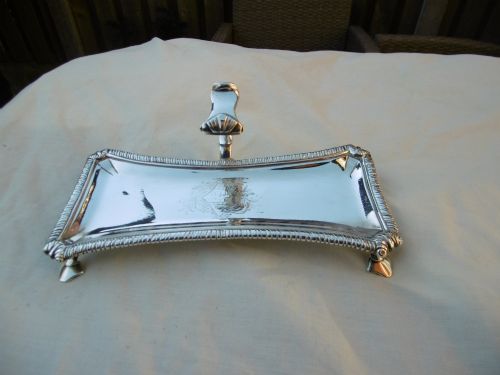
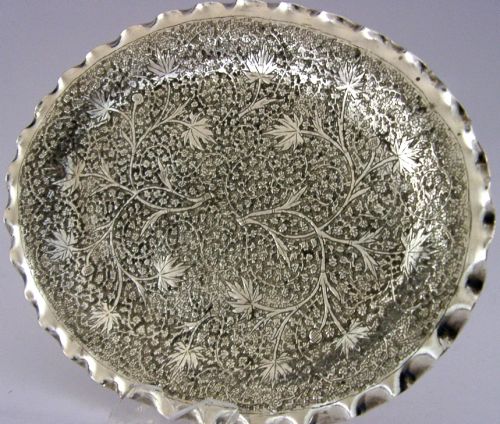
Listings incorporate sterling silver, silver gilt, cut glass, and agate across forms ranging from snuff boxes to card trays.
What varies in quality
The standard of an engraved silver trinket depends heavily on the crispness and depth of the hand engraving on the lid and sides. Sharply defined bright-cutting and detailed chased borders indicate superior craftsmanship compared to worn or shallow surface decoration.
Maker attribution and legible hallmarks strongly influence the standing of each piece, with identifiable work from notable silversmiths commanding attention. The thickness of the silver gauge and the structural integrity of hinges and closures also set finer examples apart from standard production.
Joseph Willmore·Nathaniel Mills·John Shaw·Joseph Taylor·Samuel Pemberton·Cornelius Bland·Edward Smith·Martin Hall and Co·FA Barrett·Robert Pringle and Sons
The Engraved Silver Trinket Glossary
- Vinaigrette
- A small ornamental box featuring an internal pierced grille that held a sponge soaked in aromatic vinegar. These pieces date predominantly from the Georgian and Victorian eras.
- Bright-cut
- An engraving technique utilising faceted cuts made with a graving tool to create geometric patterns that reflect light from multiple angles. This method appears frequently on late eighteenth and early nineteenth-century pieces.
- Silver Gilt
- Silver that has been coated with a thin layer of gold on its surface, often applied to the interior bowls of snuff boxes and vinaigrettes. The gilding prevents the silver from reacting with acidic contents.
- Pyx
- A small round container historically used to carry religious sacraments, occasionally adapted as a secular pocket box. Examples in the listings reflect this small-scale form in sterling silver.
- Hallmark
- An official stamp impressed into precious metals indicating the standard of purity, the assay office, and the year of manufacture. British pieces typically show a series of marks identifying the maker and date.
Engraved Silver Trinket: Frequently Asked Questions
What was a vinaigrette used for?
A vinaigrette held a small sponge soaked in scented vinegar to revive individuals suffering from faintness in crowded or poorly ventilated spaces.
The internal pierced grille allowed the aroma to escape while keeping the damp sponge securely contained inside the silver box.
How do I identify a Georgian silver box?
Georgian silver boxes generally display hallmarks containing duty marks and date letters corresponding to the reigns of the Kings George between 1714 and 1830.
They frequently feature crisp bright-cut engraving and distinct maker marks from silversmiths operating in Birmingham or London.
What is the difference between a snuff box and a pill box?
Snuff boxes were manufactured to hold powdered tobacco consumed nasally, requiring a tightly closing lid to preserve the moisture and scent of the tobacco.
Pill boxes were built smaller to store medicinal pills, though historical uses often overlapped depending on the size of the container.
How should I clean antique silver boxes?
Antique silver requires gentle cleaning with a soft cloth to maintain the original surface finish and prevent the removal of delicate hand engraving.
Harsh chemical dips should be avoided, particularly on pieces with silver gilt interiors or inset stones like agate.