

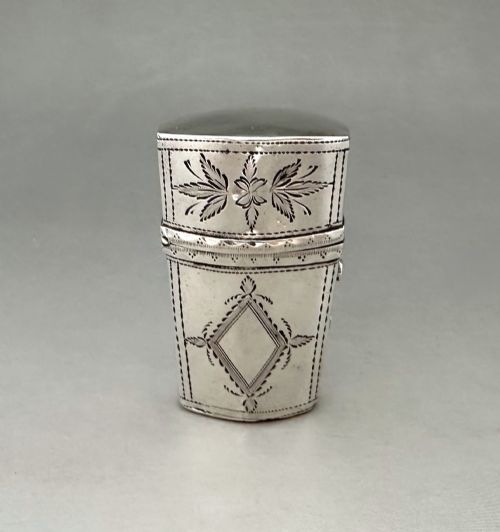


Engraved Silver Smelling Bottle
An engraved silver smelling bottle is a pocket companion for aromatic salts, offering a glimpse into personal care across centuries.
Engraved Silver Smelling Bottle
An engraved silver smelling bottle brings together small containers and vinaigrettes designed for portable fragrances and salts. These pieces span from the seventeenth century through the Edwardian era and the nineteen-twenties.
Makers and makers' marks occasionally appear alongside engraved details, coronets, and cut glass bodies. Forms range from simple flasks to intricate double-ended designs housed in leather or fitted cases.
How they were made
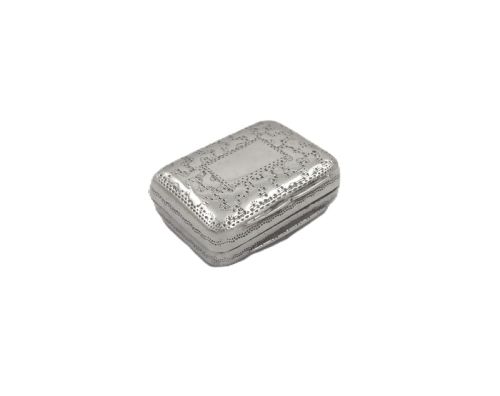
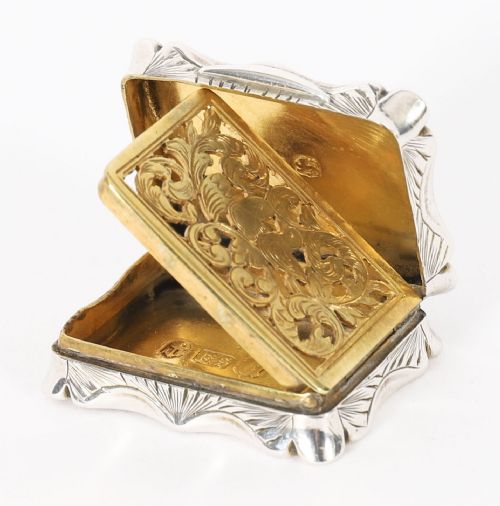
Silversmiths shaped sterling silver and silver gilt into housings, caps, and internal gilt grilles for vinaigrettes. Hand engraving decorated the exterior surfaces with floral motifs, geometric patterns, and crests.
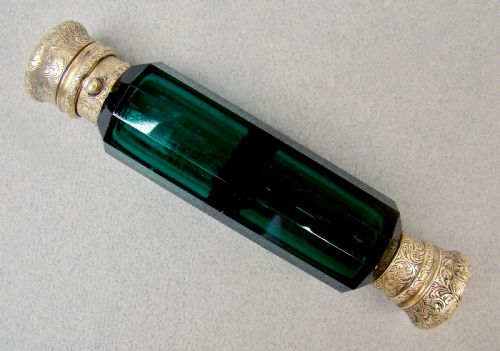
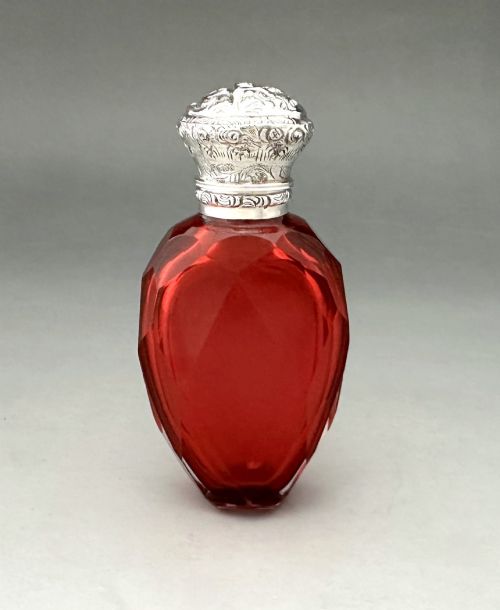
Glassmakers produced cut glass, amethyst glass, ruby glass, and Bristol green glass to form the bodies of scent bottles. Artisans combined these glass blanks with hinged metal mounts and secure screw caps.
Engraved Silver Smelling Bottle Retail Price Guide 2026
Typical asking prices for engraved silver smelling bottle among the pieces listed under this phrase on Sellingantiques today, from the lower quarter to the upper quarter. They describe what is for sale here now, not the wider market.
Some nineteenth-century bottles hid a secret second compartment so you could carry lavender water on the left and smelling salts on the right.
What varies in quality
The crispness of the hand engraving and the complexity of the silversmithing distinguish finer items from simpler production. Pierced and gilded internal grilles on vinaigrettes show particular attention to detail.
The quality of the glass, whether deeply cut, flashed, or coloured in rich tones like ruby and green, influences the overall character. Maker attribution, such as signed London pieces, marks a higher tier of craftsmanship.
SAMPSON MORDAN·Edward Smith·S. Morden & Co
The Engraved Silver Smelling Bottle Glossary
- Vinaigrette
- A small hinged silver box containing a perforated inner grille soaked in aromatic vinegar. These portable items were carried in pockets or reticules during the Georgian and Victorian periods.
- Silver Gilt
- Silver that has been coated with a thin layer of gold on its surface. This technique provided a rich golden appearance while utilising a silver base.
- Double-Ended
- A scent bottle featuring compartments at both ends, often allowing the owner to carry two different fragrances or salts simultaneously. These typically combined glass bodies with hinged or screw caps of silver.
- Bristol Green Glass
- A deep, vibrant green glass produced in the Bristol area during the eighteenth and nineteenth centuries. It was frequently utilised for scent bottles and small decorative vessels.
Engraved Silver Smelling Bottle: Frequently Asked Questions
How were vinaigrettes used?
Vinaigrettes were used to hold a small sponge soaked in scented vinegar or smelling salts beneath a pierced internal metal grille. Owners opened the hinged lid to revive themselves in crowded or unpleasant environments.
They served as functional jewellery and social accessories, particularly during the Georgian and Victorian eras.
How do I identify a Victorian piece?
Victorian examples often feature hallmarks stamped into the silver, alongside characteristic Victorian decorative styles such as floral hand engraving. Maker marks and date letters help pinpoint the year of manufacture.
The materials, including ruby and amethyst glass combined with sterling silver, also point towards nineteenth-century production methods.
Are double-ended bottles rare?
Double-ended bottles provide two separate compartments, often capped at both ends for different scents or salts. They appear less frequently than single-compartment flasks in certain periods.
Their survival depends on the condition of the central glass body and the matching metal caps at each extremity.