





Engraved Mother of Pearl
Engraved mother of pearl brings together iridescent shell and delicate incision, offering a glimpse into centuries of miniature craftsmanship.
Engraved Mother of Pearl
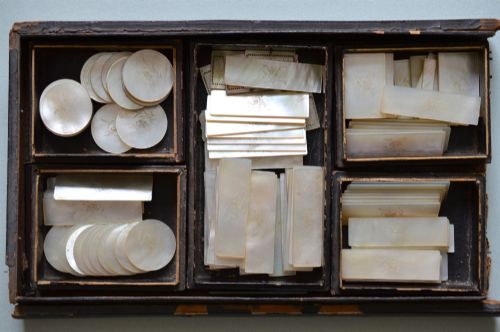
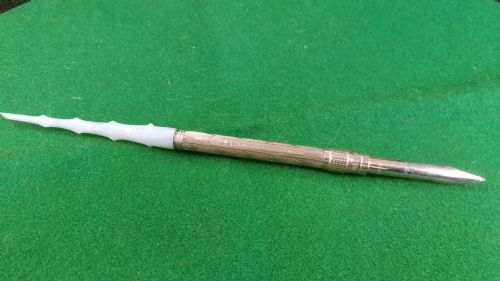
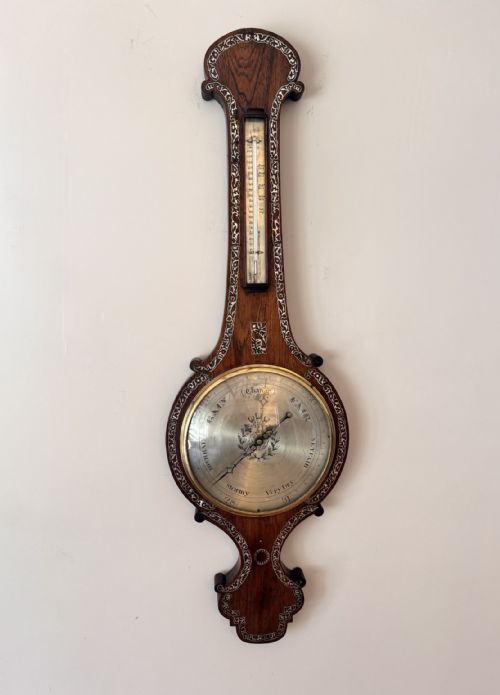
Engraved mother of pearl appears across a diverse range of domestic and personal objects, spanning the Georgian, Victorian, and Edwardian eras. The selection on this page frequently includes pocket fruit knives, butter knives, card cases, and serving cutlery, alongside more unusual items such as aide-memoires and firearms.
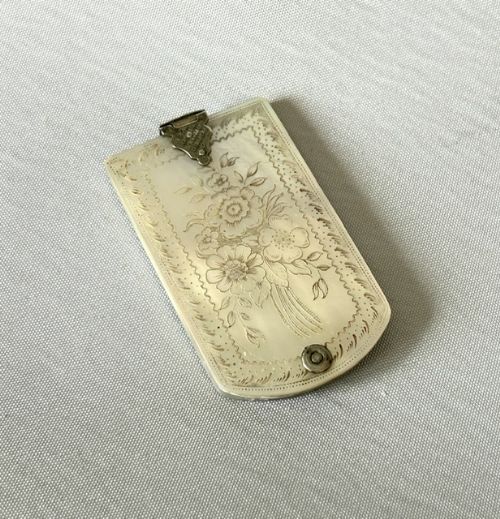
Victorian pieces dominate the available inventory, particularly folding fruit knives and calling card cases featuring intricate floral or geometric incisions. These items reflect a period when iridescent nacre was widely utilised for small luxury accessories, often paired with sterling silver or silver plate.
Earlier Georgian examples and later pieces from the early twentieth century also surface, including boxed dessert services and tea caddies inlaid with engraved panels. The underlying material remains consistent, harvested from pearl oyster and freshwater shells to provide a shimmering ground for the engraver's burin.
Materials and working methods
Makers selected thin plates of mother of pearl or abalone, valuing the natural iridescence and smooth surface for decorative carving. These fragile shell sections were typically backed with foil or mounted onto rigid structures such as brass, wood, or tortoiseshell to provide structural support.
Decoration relied on fine hand incision, where artisans cut shallow lines into the nacre to create floral motifs, shooting scenes, or crests. Dark pigment or ink was frequently rubbed into the engraved grooves to render the delicate drawings legible against the shimmering pearl background.
Metal components in sterling silver, brass, or steel were often incorporated into the construction, secured with tiny pins or rivets. Folding mechanisms in fruit knives and intricate catches on card cases required precise metalworking to complement the delicate shell panels.
Engraved Mother of Pearl Retail Price Guide 2026
Typical asking prices for engraved mother of pearl among the pieces listed under this phrase on Sellingantiques today, from the lower quarter to the upper quarter. They describe what is for sale here now, not the wider market.
Listings for engraved mother of pearl span the Victorian and Georgian periods, incorporating materials such as silver, tortoiseshell, brass, and velvet.
Judging the work
Quality rests primarily on the depth and precision of the engraving, where confident, clean lines distinguish superior craftsmanship from hurried surface scratching. Finer pieces retain their dark infill within the incised channels, ensuring the decorative scenes remain sharp and distinct.
The selection of the shell itself dictates visual success, with premier examples displaying a strong, unblemished play of colour across a uniform thickness. Skill in mounting is equally vital, as well-executed pieces integrate the mother of pearl seamlessly with silver mounts, wood foundations, or tortoiseshell bodies without visible distortion.
Mabie Todd & Co·Harry Atkin
The Engraved Mother of Pearl Glossary
- Mother-of-pearl
- The hard, iridescent inner layer of certain mollusc shells, composed primarily of nacre. It was widely carved and engraved for decorative panels and knife handles.
- Aide-memoire
- A small pocket notebook or memorandum tablet with leaf pages, frequently bound in mother of pearl and silver for recording social engagements.
- Nacre
- The organic-inorganic composite material produced by mollusc shells, prized for its lustrous, rainbow-like sheen.
- Abalone
- A marine mollusc shell related to pearl oysters, exhibiting deeper blues and greens within its iridescent surface than standard pearl shell.
- Burin
- A steel cutting tool with a bevelled point used by engravers to carve fine lines directly into the surface of the shell.
Engraved Mother of Pearl: Frequently Asked Questions
What objects feature engraved mother of pearl?
Engraved mother of pearl appears on a varied selection of nineteenth-century accessories and tableware. Common survivals include folding fruit knives, card cases, tea caddies, and dessert cutlery.
More specialised items such as aide-memoires, snuff boxes, and even firearm mounts also utilise the material. The common thread is the combination of iridescent shell with hand-cut surface decoration.
How do I care for mother of pearl?
Mother of pearl is a natural organic material derived from shell, requiring gentle handling to preserve its surface. Avoid harsh chemical cleaners and prolonged immersion in water, which can damage the nacre and weaken any underlying adhesive.
Store items away from direct sunlight and extreme temperature fluctuations to prevent warping or drying out. A soft, dry cloth is usually sufficient for routine cleaning and maintaining the lustre.
How can I date these pieces?
Dating relies heavily on style, hallmarks on associated silver components, and manufacturing techniques. Victorian pieces often display characteristic floral or Gothic engraving styles alongside standard Birmingham or Sheffield silver marks.
Georgian items generally exhibit simpler, more restrained cutting or different box construction methods. Examining the integration of the metal mounts alongside the shell provides additional chronological clues.
Why are some pieces stained or darkened?
Darkening in the engraved lines is usually intentional, created by applying pigment or ink to make the delicate motifs visible against the shimmering nacre. Over decades of use, handling and natural ageing can also introduce patina into the microscopic pores of the shell.
Such patination is normal for antique pieces and distinguishes genuine period items from modern reproductions.