



Engraved Glass Tableware
Engraved glass tableware brings together brilliant crystal, cut glass, and delicate intaglio work mounted in silver or silver plate for the dining table.
Engraved Glass Tableware
Engraved glass tableware encompasses functional and decorative dining pieces from the Victorian and Edwardian periods, including decanters, wine glasses, rinsers, and plates. These items often combine clear or coloured glass bodies with precious metal mounts such as sterling silver or silver plate.
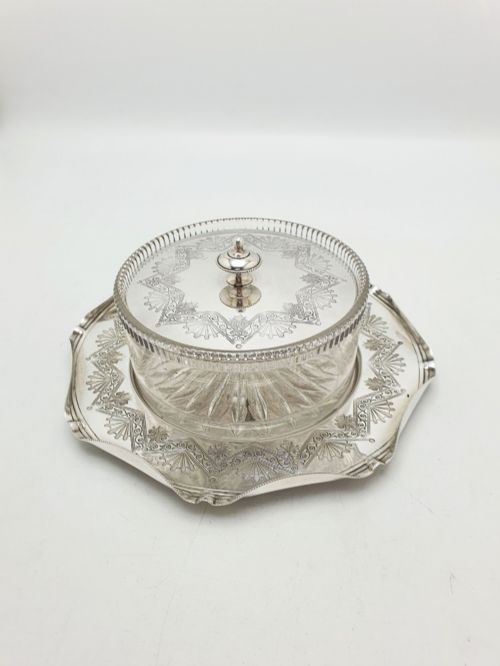
The pieces you are most likely to encounter on this page span the mid to late nineteenth century, alongside early twentieth-century examples. Forms range from claret jugs and biscuit barrels to mustard pots and butter dishes with glass liners.
Many items merge glasswork with metalwork, pairing cut glass or intaglio engraving with pierced silver frames, parcel gilt goblets, and heraldic finials. They reflect formal dining customs where presentation on the table mattered deeply.
What varies in quality
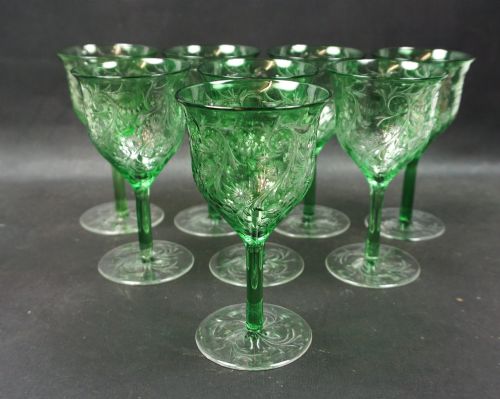
Quality rests on the crispness and depth of the glass engraving, whether it is fine intaglio work on green wine glasses or bold union engraving on shaft and globe decanters. The clarity and weight of the crystal or glass itself set the baseline for the piece.
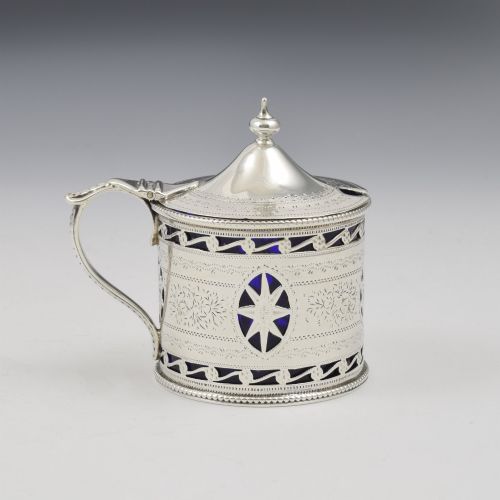
The standard of the metal mount also dictates overall excellence, distinguishing simple silver plate from heavy sterling silver with detailed piercing, parcel gilding, and cast finials such as heraldic dragons.
Engraved Glass Tableware Retail Price Guide 2026
Typical asking prices for engraved glass tableware among the pieces listed under this phrase on Sellingantiques today, from the lower quarter to the upper quarter. They describe what is for sale here now, not the wider market.
Listings feature Victorian and Edwardian items combining glass and sterling silver or silver plate across forms like mustard pots, claret jugs, and wine glasses.
Stevens & Williams·Nathan & Hayes·Walker & Hall·Charles Stuart Harris
The Engraved Glass Tableware Glossary
- Intaglio
- A design carved into the surface of the glass so that the pattern sits below the outer plane. This technique creates a sunken, frosted relief effect when viewed closely.
- Claret jug
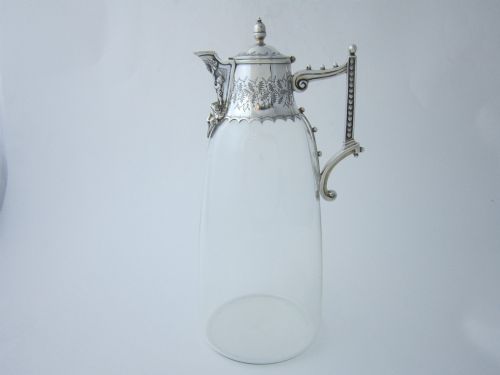
- A tall pouring vessel designed specifically for serving red wine at the table. These typically feature a glass body paired with a hinged silver handle, collar, and spout.
- Rinser
- A specialised bowl used during formal dining to wash out wine glasses between courses. They often display matching engraved glass patterns and sit ready on the sideboard.
- Parcel gilt
- Silverwork that is partially coated in a thin layer of gold, usually on the interior or specific decorative accents. This method provides a striking contrast between the silver and gold tones.
- Pierced silver
- Metalwork decorated by cutting or piercing openwork patterns through the sheet silver. This technique lightens the visual weight of mustard pots and butter dish frames.
Engraved Glass Tableware: Frequently Asked Questions
What is engraved glass tableware used for?
These items served functional roles in historic dining rooms, holding wine, claret, biscuits, butter, and mustards during formal meals. They combined utility with decorative display on the table.
Today, collectors use them both as intended or display them as decorative examples of nineteenth-century glassmaking and silversmithing.
How do I care for silver and glass items?
Wash the glass components gently in warm soapy water, avoiding harsh abrasives that might scratch the surface or damage any fine engraving. Dry the glass thoroughly before storing.
Polish the silver or silver-plated mounts separately with a soft cloth and appropriate metal cleaner, taking care to keep polish away from the glass joints.
How can I tell Victorian pieces apart?
Victorian pieces often display hallmarks on their silver mounts, which indicate the assay office, date letter, and maker's mark. Stylistic cues like heavy piercing, cobalt liners, and heraldic finials point toward mid-to-late nineteenth-century production.
Edwardian and later items tend to feature lighter frames and simpler silhouettes, reflecting changing tastes in domestic tableware around the turn of the twentieth century.
Are glass liners original to the metal frames?
Original glass liners fit snugly into their pierced silver or silver-plated frames, matching the exact contours and dimensions of the metal mount. They show consistent signs of age and wear that align with the exterior silver.
Replacements often sit loosely or exhibit different glass qualities and colours compared to the standard production methods of the period.