



English Writing Slope
An english writing slope gives you a portable desk or fitted cabinet built to hold correspondence, paper and ink safely.
English Writing Slope
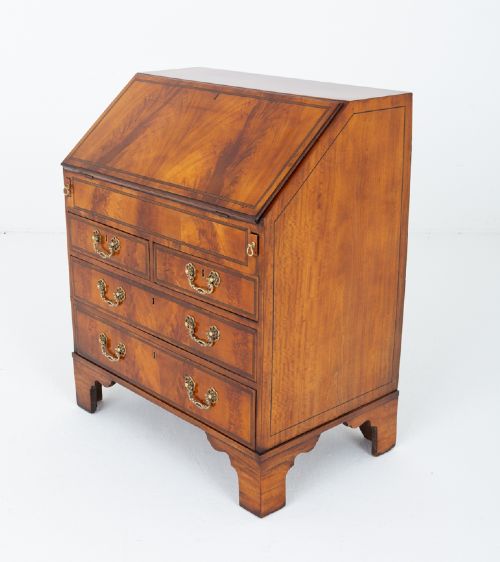
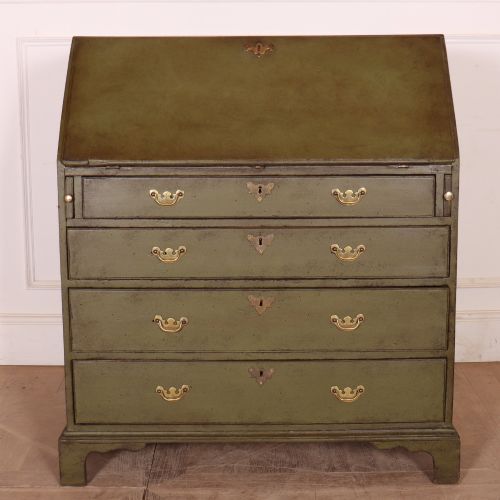
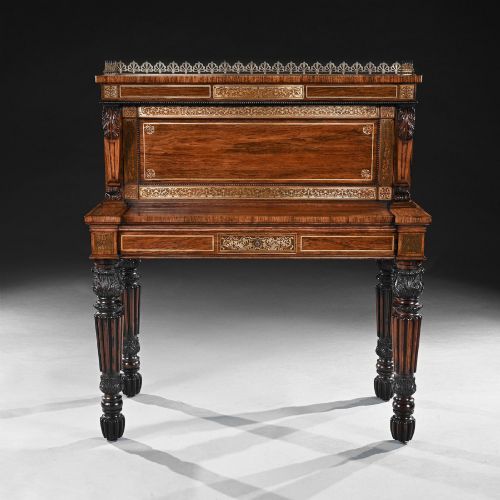
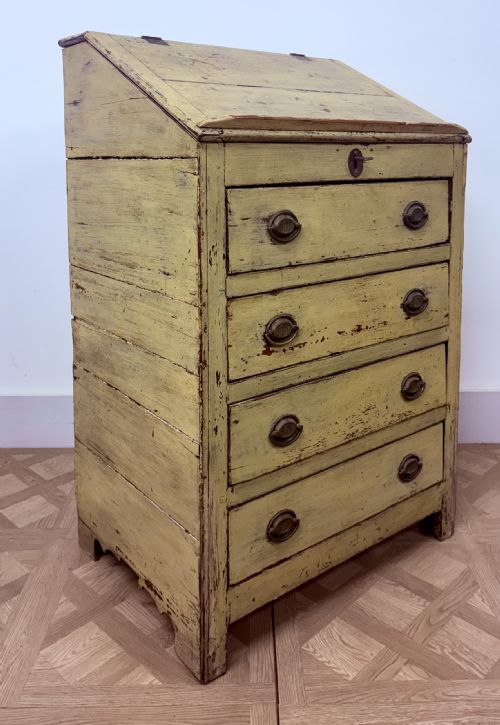
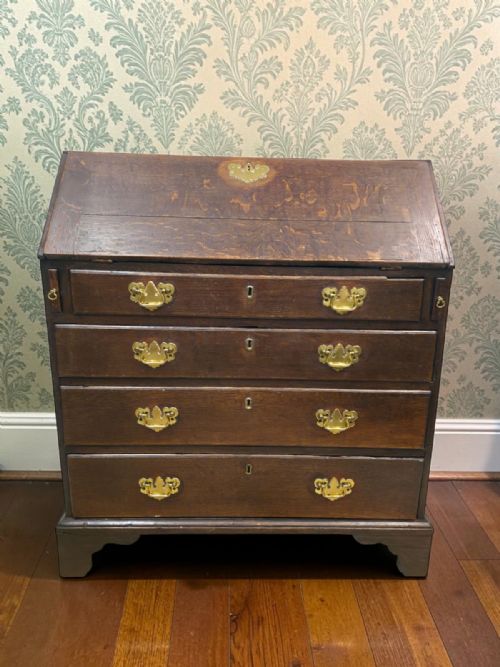
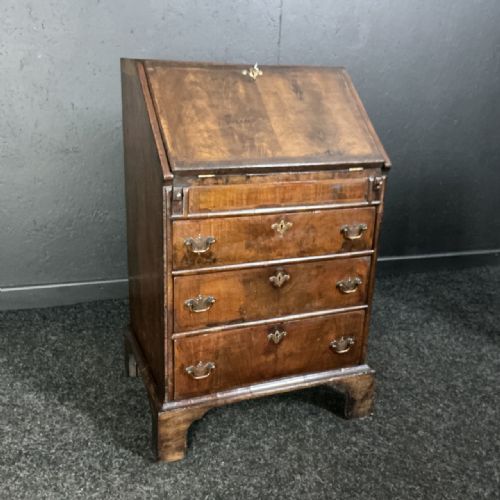
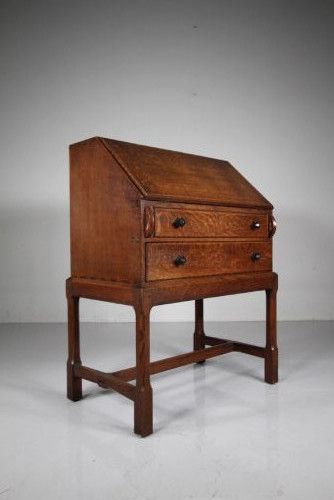
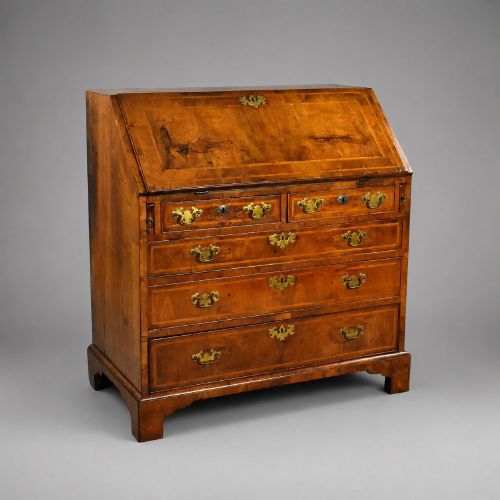
When you search for an english writing slope, you encounter portable boxes that open to reveal a sloping writing surface, alongside related forms such as bureau desks, stationery boxes and Davenport desks. These pieces span centuries of British craftsmanship, taking the shape of compact campaign boxes, fall front desks and fitted writing stations.
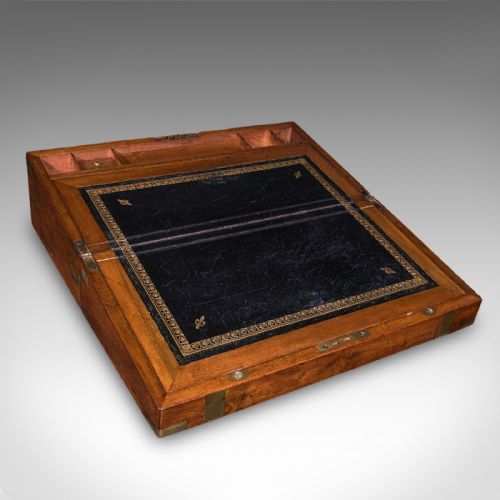
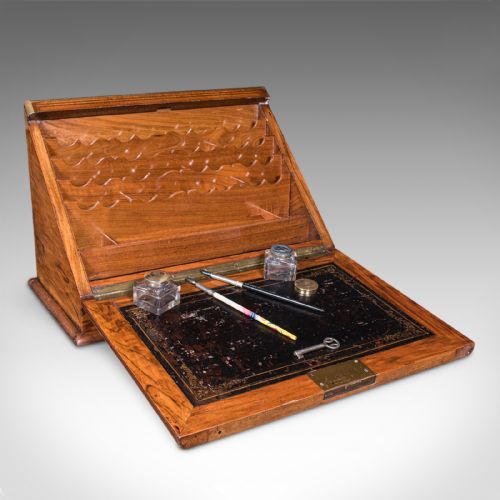
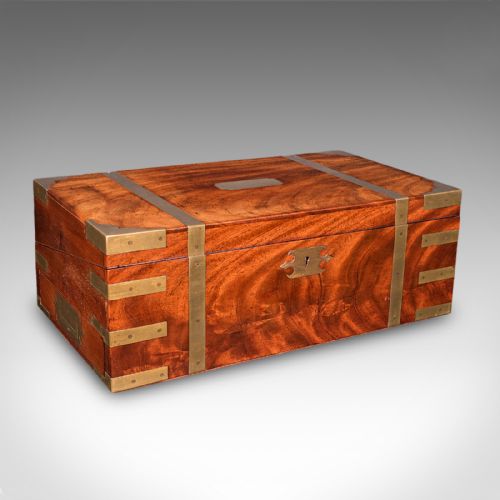
The version you are most likely to meet on this page is a timber box from the Georgian or Victorian periods, often finished in walnut, mahogany or oak, with fitted interior compartments for inkwells and pens.
Materials and construction
Cabinet makers utilised dense hardwoods including mahogany, walnut and oak as the structural carcase, frequently applying figured veneers or burr walnut to the exterior surfaces. Satinwood and rosewood also appear for decorative effect.
Brass inlay, corner brackets and campaign mounts reinforced the edges of portable boxes designed for travel, while leather inserts provided a smooth writing surface on the folding slopes.
Listings feature timbers including oak, mahogany, walnut, burr walnut, rosewood, satinwood and yew wood.
Distinctions in quality
Quality rests in the crispness of the cabinet work, the timber selection and the retention of original interior fittings such as secret drawers, inkwells and pen trays. Finer examples display carefully matched veneers and robust secret locking mechanisms.
Later alterations or replaced hardware alter the integrity of a piece, whereas untouched period interiors with original leather surfaces elevate the standing of the desk.
Gillows Oxford Street Workshop·Gillows of Lancaster·Stanley Webb Davies·Mappin & Webb
The English Writing Slope Glossary
- Writing slope
- A portable box with a hinged lid that opens at an angle to provide a slanted surface for writing letters. These boxes usually contain internal storage compartments for stationery.
- Bureau
- A desk featuring a sloping lid that folds down to form a writing surface above a chest of drawers. Early examples date to the seventeenth and eighteenth centuries in oak and walnut.
- Davenport
- A compact pedestal desk originating in the Regency and Victorian periods, featuring a sloping top and drawers opening to the side. They often incorporate pull-out pen trays and stationery compartments.
- Campaign
- Desks and writing boxes constructed for military travel, fitted with brass corners, recessed handles and sturdy framing to withstand transit. These pieces dismantle or fold for mobility.
- Veneer
- A thin layer of figured wood applied over a secondary timber carcase to create decorative grain patterns. Walnut, burr walnut and satinwood veneers typify finer case pieces.
English Writing Slope: Frequently Asked Questions
What is the difference between a writing slope and a bureau?
A writing slope is a portable box designed to sit on a table, featuring a hinged lid that opens at an angle for correspondence.
By contrast, a bureau is a larger, freestanding piece of furniture that combines a sloping writing flap with a chest of drawers or a kneehole base.
How do I use an antique writing slope today?
These boxes function well as portable storage for modern stationery, laptops or writing materials, keeping your desk tidy.
The sloping lid also serves as an angled stand for reading or displaying books and correspondence.
How can I tell a Georgian writing slope from a Victorian one?
Georgian pieces often display restrained lines in mahogany, oak or walnut, relying on simple proportions and brass escutcheons.
Victorian examples frequently introduce heavier brass campaign mounts, burr walnut veneers and more elaborate internal stationery arrangements.
Were writing slopes meant for travel?
Portable writing slopes and campaign boxes were built specifically for officers, travellers and professionals who needed to move their desk between locations.
They included secure locks and recessed handles to protect correspondence during transit.