



English Wooden Mirror
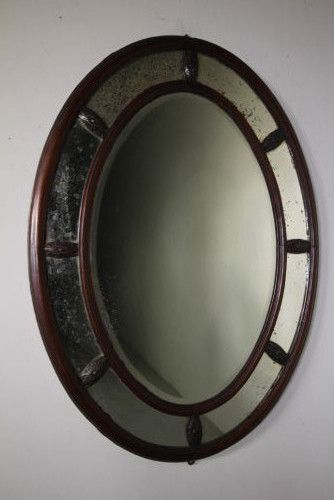
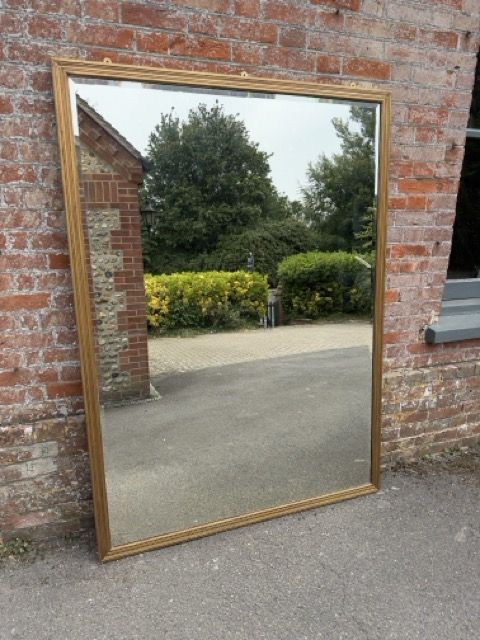
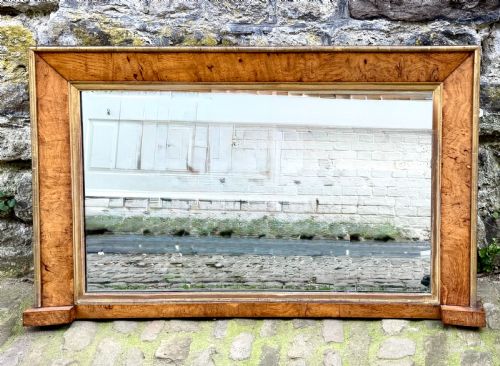
When you search for an english wooden mirror, you find everything from compact dressing table glasses to grand architectural overmantels.
English Wooden Mirror
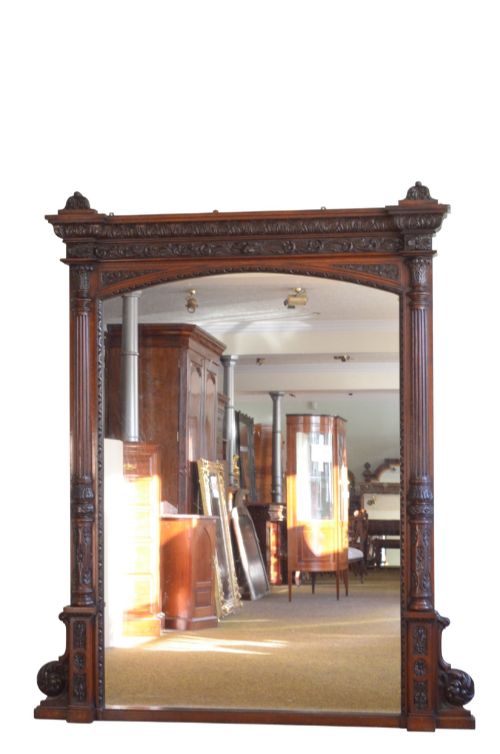
An english wooden mirror encompasses a diverse group of domestic furnishings spanning the seventeenth century through to the Edwardian era and the art deco period. These pieces serve practical functions in hallways, reception rooms, and bedrooms while introducing decorative presence to a wall or floor.
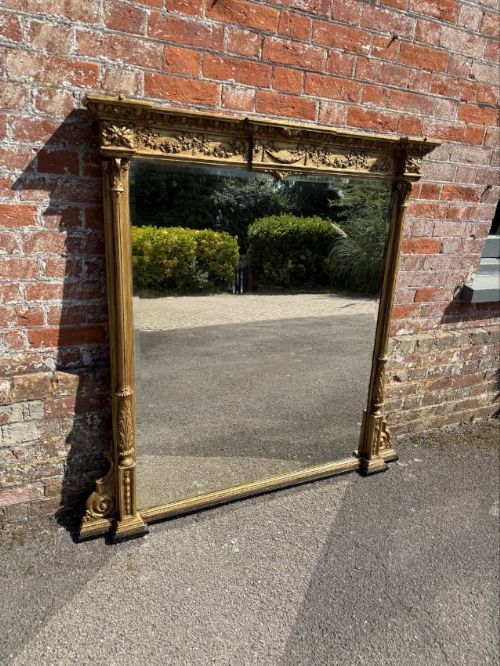
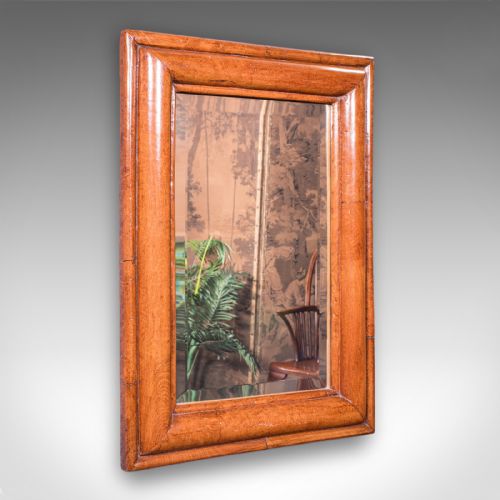
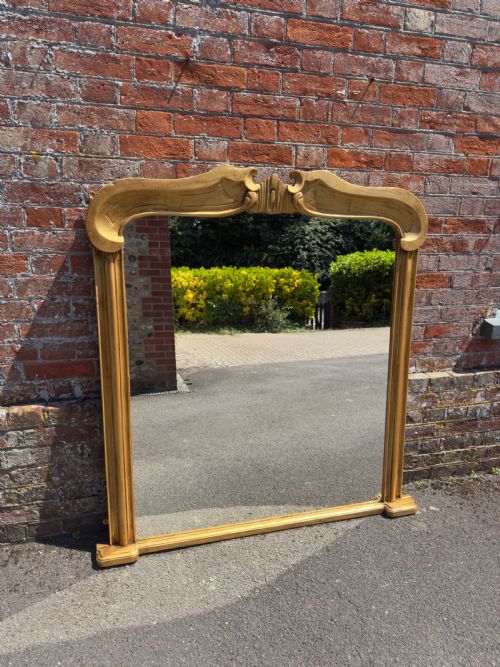
Victorian and nineteenth-century examples dominate the assortment, often displaying carved wooden frames finished with paint, gilding, or gesso details. Earlier periods appear through seventeenth-century oyster veneer work and Georgian mahogany wall designs, supplemented by Regency, Edwardian, and art deco interpretations.
How they were made
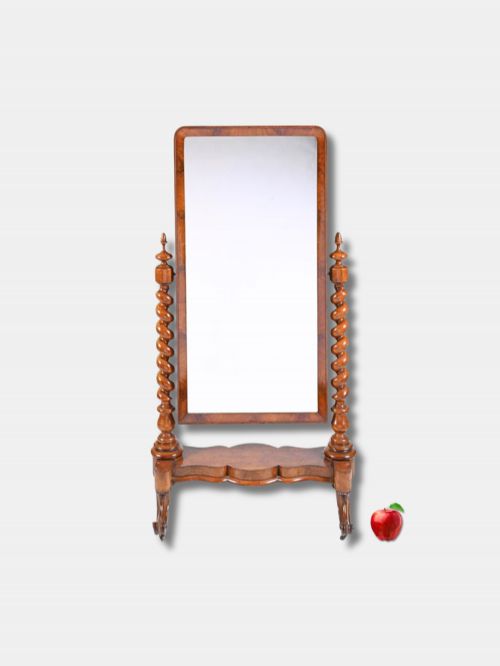
Cabinetmakers constructed these frames using dense hardwoods such as mahogany, walnut, and oak, often shaping the timber with elaborate carved details or barley twist supports. Applied gesso provided a smooth surface for subsequent gilding or paint finishes on nineteenth-century overmantel pieces.
Glass plates, sometimes bevelled or held in original condition, were secured within the wooden rebates using traditional joinery methods appropriate to each period. Specialised applications like oyster veneering involved slicing branch wood transversely to create intricate circular patterns across the wooden ground.
English Wooden Mirror Retail Price Guide 2026
Typical asking prices for english wooden mirror among the pieces listed under this phrase on Sellingantiques today, from the lower quarter to the upper quarter. They describe what is for sale here now, not the wider market.
One listed Victorian piece is a dedicated boot maker's mirror, built specifically for footwear inspection.
What varies in quality
The depth and crispness of the wood carving distinguish standard production from superior craftsmanship, particularly on nineteenth-century overmantel and wall frames. Relief work executed with sharp definition and careful undercutting demonstrates greater artisan skill than softer, more generalised moulding.
The choice of primary timber and secondary framing woods influences structural integrity and visual depth across centuries of English cabinetmaking. Original surfaces, whether polished mahogany, giltwood, or historic paint, retain more integrity when they preserve their uncompromised initial patination.
Gillows
The English Wooden Mirror Glossary
- Overmantel mirror
- A large horizontal mirror designed to hang specifically above a fireplace mantelpiece. These pieces frequently incorporate arched tops or gilded column frames.
- Cheval mirror
- A freestanding full-length mirror supported on a vertical frame with pivoting side pivots. They often feature upright floor stands or barley twist supports.
- Gesso
- A plaster-like material applied to wood frames to create a smooth base for gilding or painting. It allows for intricate relief moulding before finishing.
- Oyster veneer
- Slices of branch wood cut across the grain to produce circular or oval patterns resembling oyster shells. This technique appears on seventeenth-century cabinetwork.
English Wooden Mirror: Frequently Asked Questions
Where should an overmantel mirror go?
An overmantel mirror traditionally hangs directly above a fireplace mantelpiece to reflect light and anchor the room's proportions.
They also function effectively on large blank walls in reception rooms to create a strong focal point.
How do I identify a Victorian mirror?
Victorian mirrors often display heavy carved wooden frames, gesso enrichments, and specific nineteenth-century proportions.
They frequently utilise ebonised finishes, gilt highlights, or substantial oak and mahogany structures characteristic of the period.
What is a cheval mirror used for?
A cheval mirror provides a full-length reflection for dressing and personal grooming in bedrooms or dressing rooms.
The pivoting frame allows the glass angle to be adjusted easily by the user.
How do I care for antique wood frames?
Keep antique wooden frames away from direct sunlight and extreme temperature fluctuations to prevent timber splitting.
Dust gently with a dry, soft cloth and avoid chemical polishes that might damage historic finishes.