

English Wooden Drawers
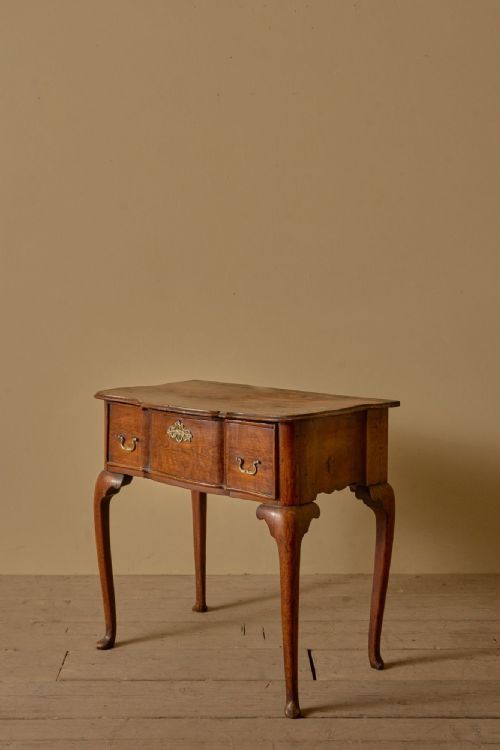
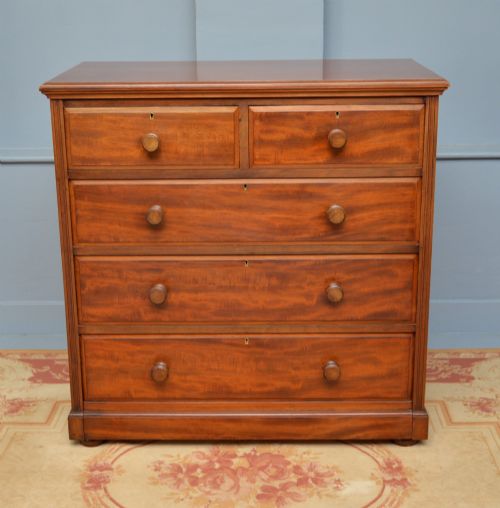
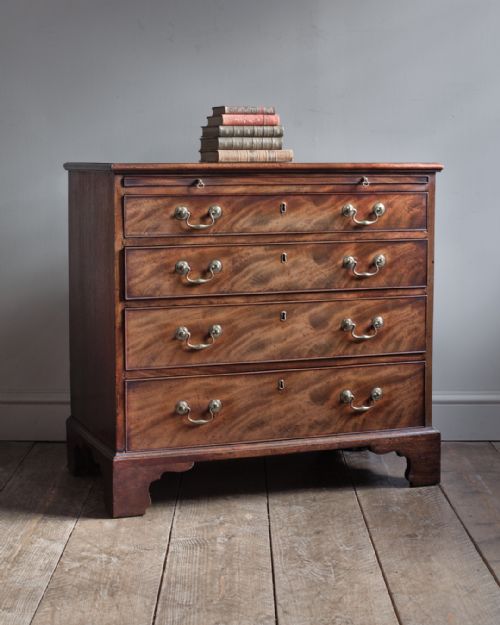
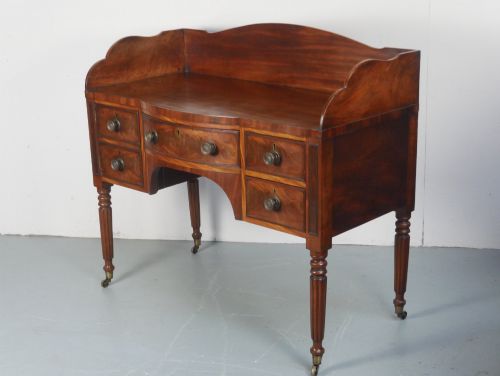
English wooden drawers bring centuries of cabinet-making skill into daily use through chests, desks, and dressers shaped from walnut, mahogany, and oak.
English Wooden Drawers
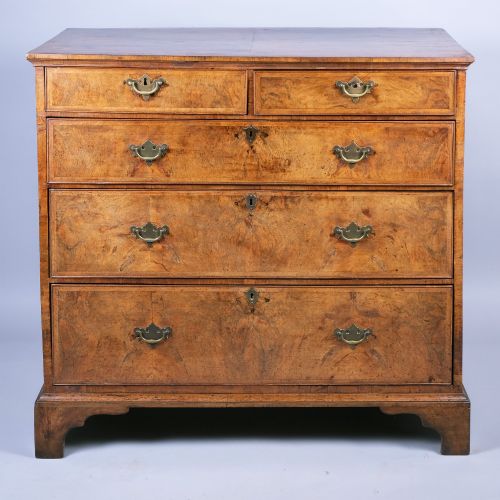
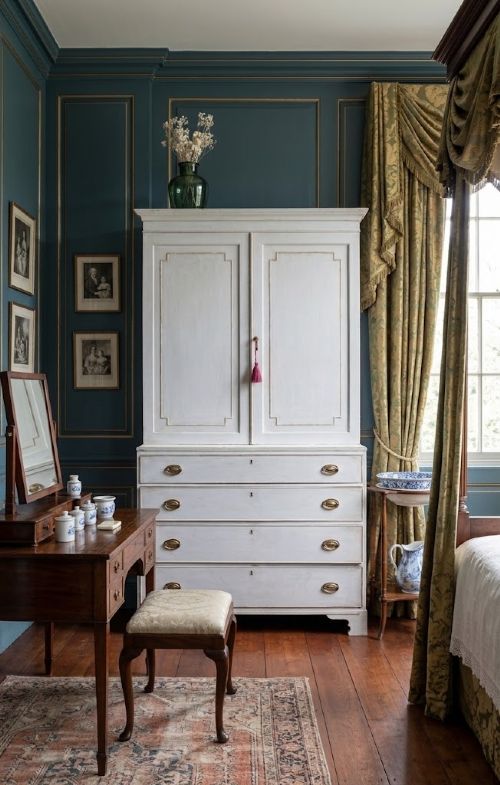
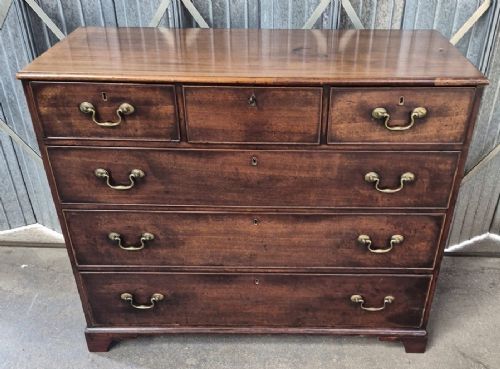
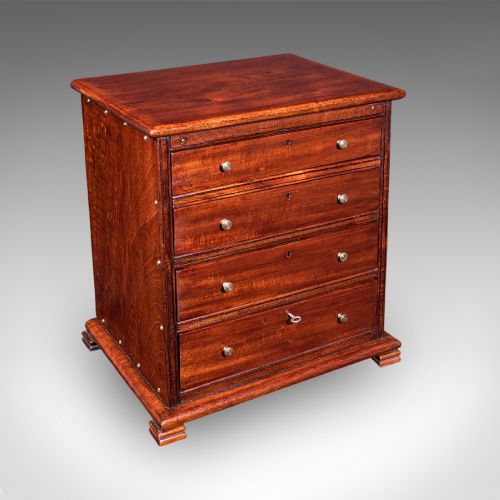
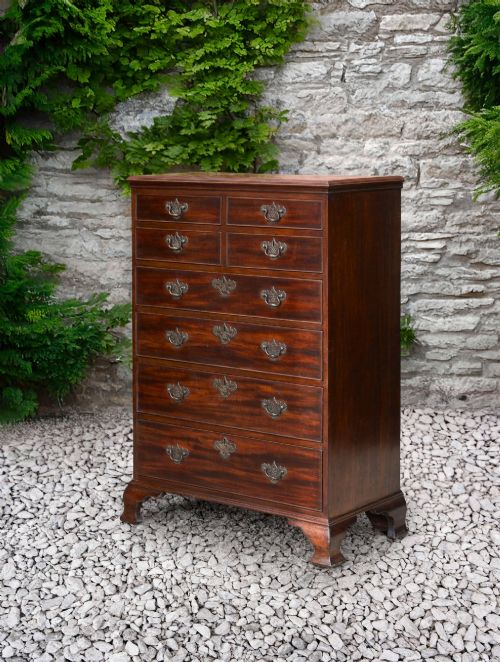
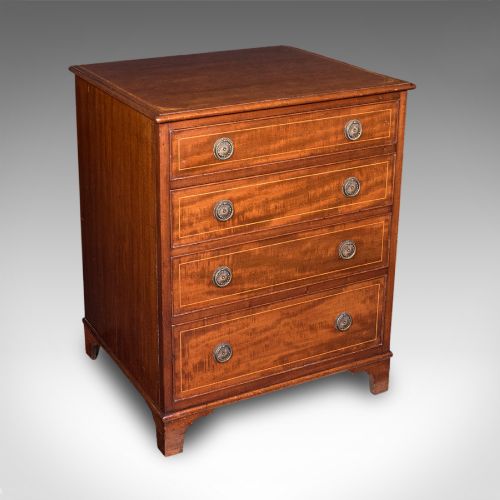
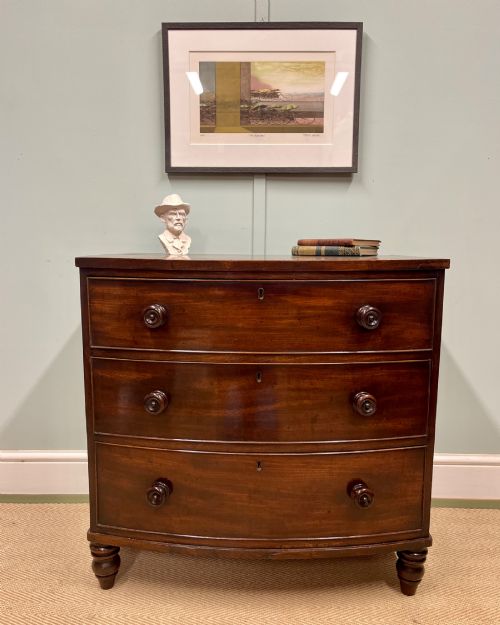
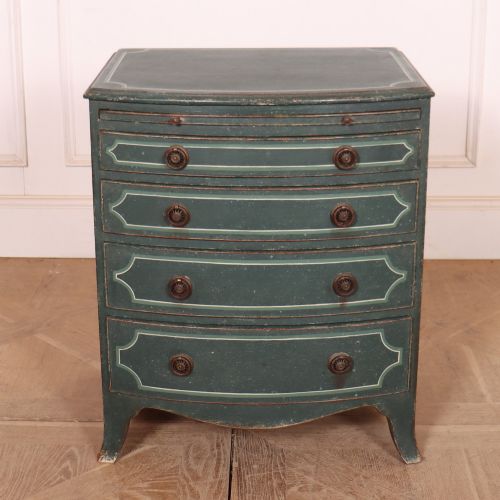
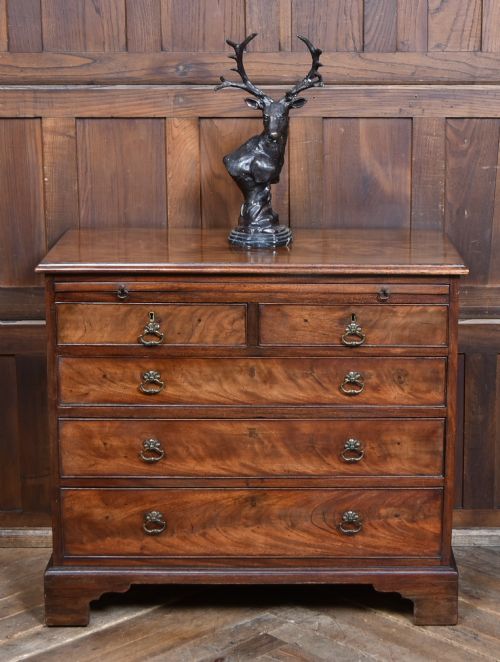
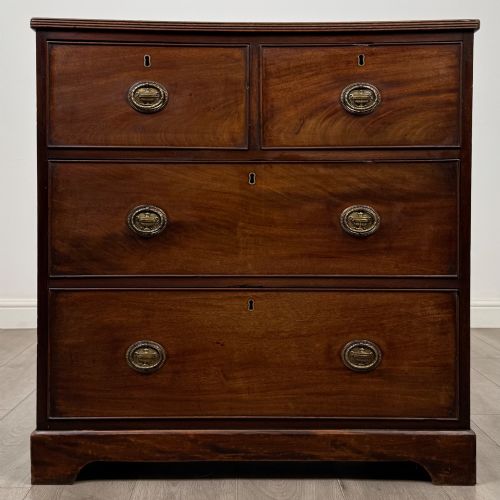
English wooden drawers encompass utilitarian chests, pedestals, writing bureaus, and dresser bases spanning the Georgian, Victorian, and Edwardian eras. Buyers exploring english wooden drawers regularly encounter substantial mahogany chests alongside painted country pieces and oak storage furniture.
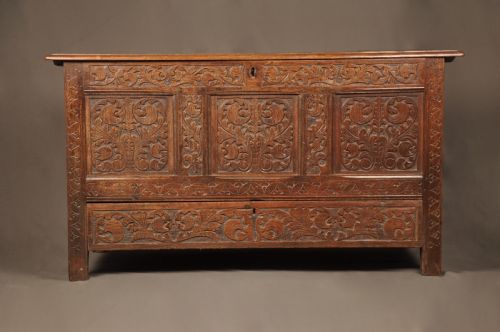
The selection ranges from eighteenth-century walnut and elm cabinet pieces to nineteenth-century pine kitchen furniture and satinwood writing desks. Form follows function closely across these domestic items, whether built for a formal parlour or a country house preparation room.
Materials and Construction
Cabinet-makers relied on robust hardwoods like mahogany, oak, and walnut, frequently pairing them with secondary woods such as pine for internal framing and drawer carcases. Surface finishes varied from polished wood veneers and crossbanding to painted layers and wax treatments.
Joinery techniques prioritised durability, utilising tight drawer joints and panel construction to withstand heavy domestic usage. Brass handles, escutcheons, and leather inserts provided functional and decorative accents on desks and chests.
English Wooden Drawers Retail Price Guide 2026
Typical asking prices for english wooden drawers among the pieces listed under this phrase on Sellingantiques today, from the lower quarter to the upper quarter. They describe what is for sale here now, not the wider market.
Listings feature items built from mahogany, oak, walnut, pine, elm, and satinwood across the Georgian, Victorian, and Edwardian periods.
Assessing Quality
Quality rests in timber selection, evident in the choice of figured mahogany, burr walnut, or uniform oak across primary surfaces. Superior examples demonstrate careful grain alignment and precise proportions.
Execution of internal construction separates standard workshop production from finer cabinet work. Original brass hardware, intact linings, and untouched surface patination elevate individual pieces above later replacements or heavy restorations.
T & G Seddon
The English Wooden Drawers Glossary
- Bowfront
- A curved front facade, frequently seen on nineteenth-century mahogany chests and cabinets. This convex shape requires expert woodworking to ensure smooth drawer operation.
- Crossbanding
- A decorative border of veneer laid with the grain running perpendicular to the main panel. It frames drawer fronts on walnut and mahogany furniture.
- Potboard
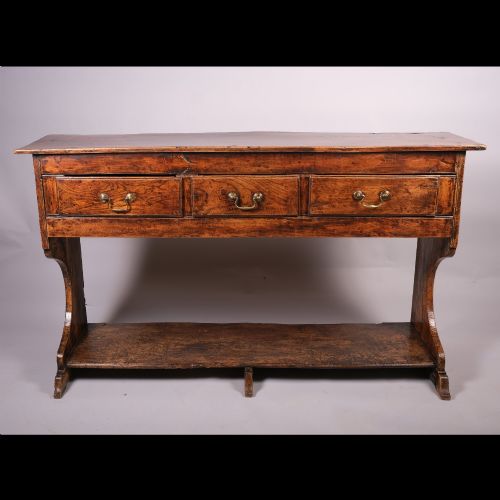
- An open slatted lower shelf found on traditional dresser bases. Historically used for storing pots and pans in country kitchens.
- Bureau
- A writing cabinet featuring a sloping fall-front flap that opens to reveal internal compartments and small drawers. These desks combine storage with a dedicated writing surface.
- Canterbury
- A low freestanding stand fitted with partitions for holding newspapers, magazines, or sheet music. They typically feature carrying handles and small low legs or castors.
English Wooden Drawers: Frequently Asked Questions
What periods do these wooden drawers cover?
The available pieces span multiple centuries, ranging from eighteenth-century walnut and oak items through Georgian and Regency designs to Victorian and Edwardian examples.
Cabinet styles evolved across these eras, transitioning from formal figured mahogany to country pine and painted finishes.
How do I identify a Georgian chest of drawers?
Georgian chests typically display dense mahogany or walnut timbers, often featuring hand-cut dovetail joints and original brass hardware. Proportions tend to be balanced, with clean lines reflecting the prevailing classical tastes of the eighteenth century.
Many examples incorporate subtle details like bracket feet or cockbeading around the drawer perimeters to define the edges.
Where were dresser bases used?
Dresser bases served as practical storage furniture in traditional English kitchens, pantries, and country houses. Their cupboards and drawers held domestic provisions and utensils for daily household management.
Today, these versatile timber units function well as sideboards or console tables in modern living spaces.
How should I care for antique wooden furniture?
Maintain stable indoor humidity levels and keep wooden pieces away from direct heat sources to prevent the timber from splitting or warping. Regular dusting with a soft, dry cloth preserves the waxed or polished surface patination.
Avoid commercial silicone sprays, opting instead for traditional beeswax formulations when nourishing older wood.