





English Victorian Study Desk
An English Victorian study desk brings functional nineteenth-century craftsmanship into a modern workspace with rich timber and fitted drawers.
English Victorian Study Desk
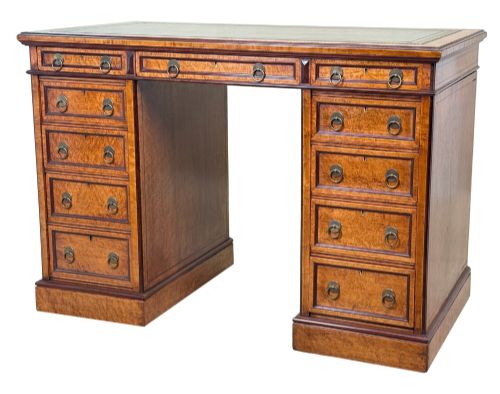
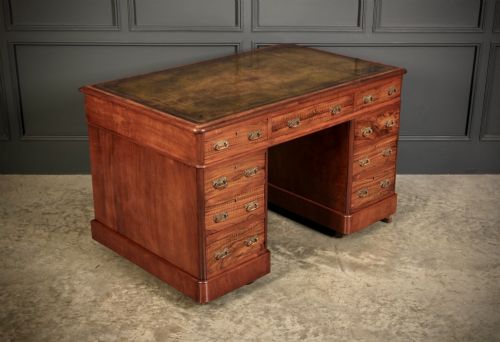
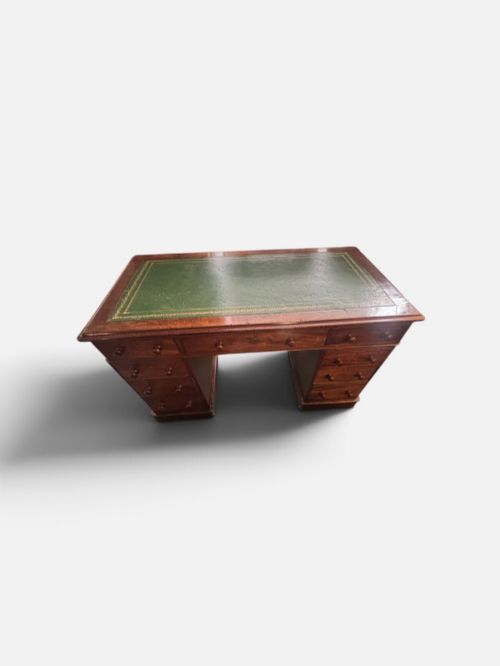
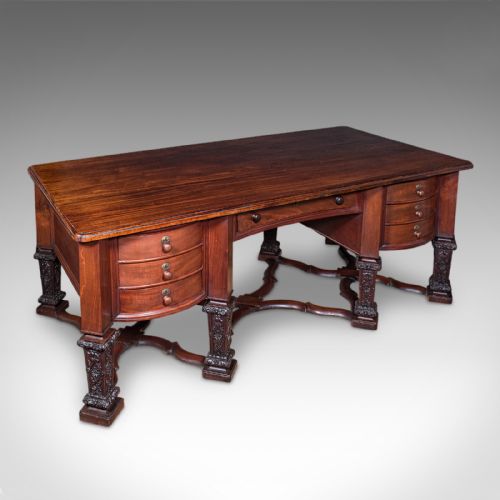
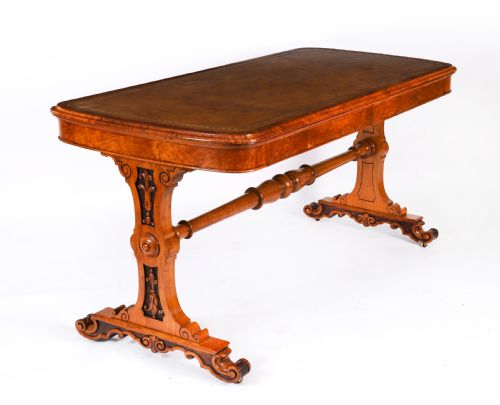
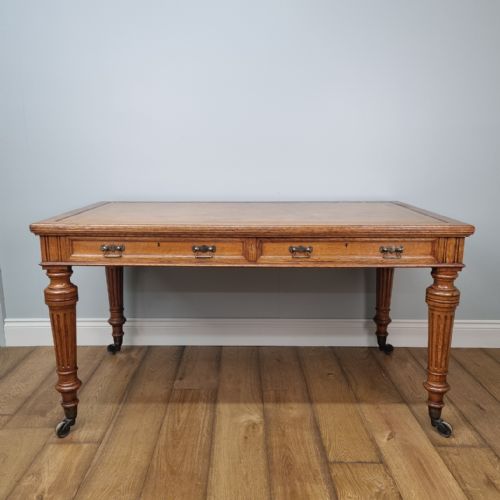
An English Victorian study desk encompasses robust pedestal formats, partner's desks, and smaller writing tables designed for nineteenth-century domestic and institutional libraries. These pieces serve as practical workspaces featuring inset leather writing surfaces and banks of graduated drawers.
Pedestal desks dominate the available selection, often constructed with twin drawer columns supporting a spacious top. Writing tables and kneehole breakfront forms appear frequently alongside specialised office chairs and accessories.
Originating across the Victorian era and the broader nineteenth century, these desks reflect diverse aesthetic influences from plain mahogany utilitarian models to ornate revival styles. Walnut, oak, and satinwood frequently form the primary structure of these surviving examples.
Materials and Construction Methods
Cabinetmakers utilised dense hardwoods including mahogany, walnut, oak, and satinwood to build these sturdy study pieces. Secondary timbers support internal drawer framing while burl veneers and birdseye maple add decorative surface variation.
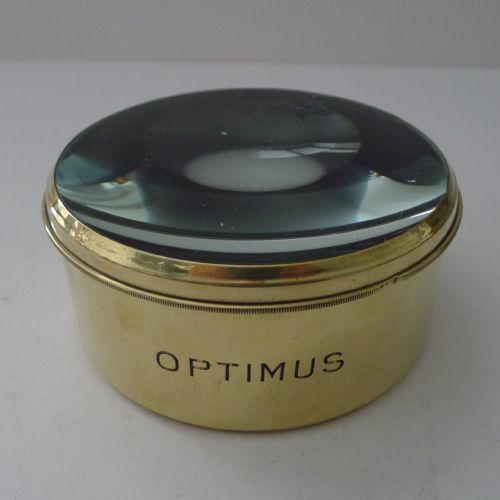
Tooled leather inserts provide durable writing surfaces across mahogany and oak frameworks. Brass handles, escutcheons, and occasional glass components complete the hardware assembly on period pedestal desks and writing tables.
English Victorian Study Desk Retail Price Guide 2026
Typical asking prices for english victorian study desk among the pieces listed under this phrase on Sellingantiques today, from the lower quarter to the upper quarter. They describe what is for sale here now, not the wider market.
The available selection includes pedestal desks, library tables, writing tables, office chairs, and desk accessories spanning the Victorian period.
Evaluating Quality and Detail
The selection of timber grain and veneer symmetry separates standard utility pieces from exhibition quality creations. Master workshops employed carefully matched walnut or pollard oak to enhance visual depth across large flat surfaces.
Hardware execution and internal drawer construction indicate the original grade of manufacture. Dovetailed joints, secondary oak linings, and original brass locks demonstrate superior workshop standards.
George Faulkner Armitage·Merryweather and Son·Edwards and Roberts·Johnstone Jeanes and Co
The English Victorian Study Desk Glossary
- Pedestal desk
- A heavy freestanding desk consisting of two independent drawer pedestals supporting a wide top. It usually incorporates a central kneehole drawer.
- Writing table
- A lighter freestanding table designed primarily for correspondence rather than storage. It typically stands on four legs rather than heavy pedestals.
- Burl walnut
- A decorative wood veneer harvested from tree growths with swirling grain patterns. Cabinetmakers applied it to create dramatic mottled surfaces on Victorian furniture.
- Kneehole
- The central recessed space beneath a desk top where the user sits. In breakfront forms, this section projects forward or recedes within the architectural layout.
English Victorian Study Desk: Frequently Asked Questions
What is an English Victorian study desk?
An English Victorian study desk is a nineteenth-century wooden workspace designed for reading, writing, and administrative tasks. These pieces range from compact ladies' writing tables to large double-sided partner's desks.
Most examples feature inset leather surfaces and multiple storage drawers arranged in pedestals or beneath the main tabletop. Solid timbers like mahogany, walnut, and oak provide structural durability.
How do I distinguish a partner's desk?
A partner's desk provides matching workspaces on both sides, allowing two people to sit opposite each other. These desks contain drawers and cupboards accessible from the front and the back.
They generally measure larger than standard single-pedestal desks and serve as central freestanding furniture within large libraries or studies.
How do I care for the leather top?
Tooled leather writing surfaces require gentle cleaning with a dry or barely damp cloth to prevent moisture damage. Avoid harsh chemical cleaners that strip the original colour or gilding.
Applying specialised leather balms periodically keeps the material supple and prevents cracking around the gold-tooled borders.
How do I identify the wood type?
Mahogany exhibits a reddish-brown tone with straight or ribbon-like grain patterns common in nineteenth-century furniture. Walnut presents a darker brown colour often enhanced by decorative burl figuring.
Oak displays prominent growth rings and medullary rays, frequently seen in quarter-sawn aesthetic and late Victorian pieces.
Where should I place a pedestal desk?
Pedestal desks function best as freestanding centerpiece items where all sides remain visible in a room. Ensure sufficient floor space around the pedestals to allow chairs to pull out comfortably.
Keep antique wood and leather surfaces away from direct sunlight and heat sources to prevent timber shrinkage and leather fading.