

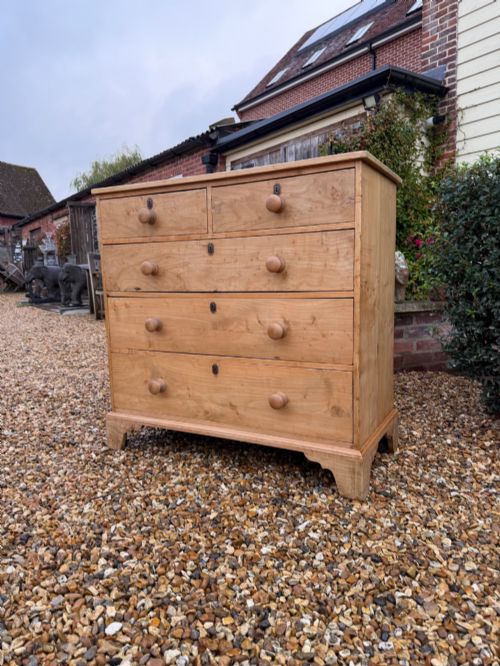
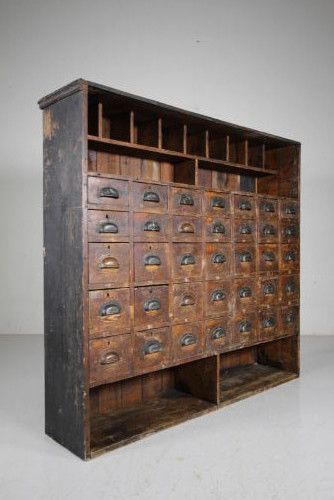
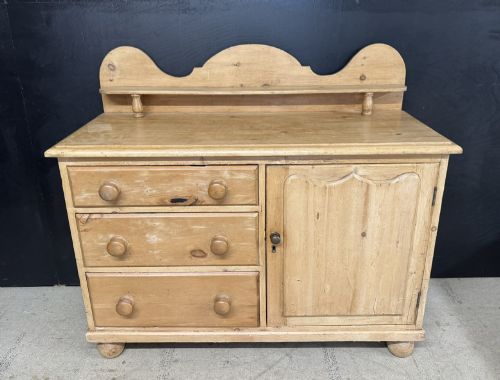
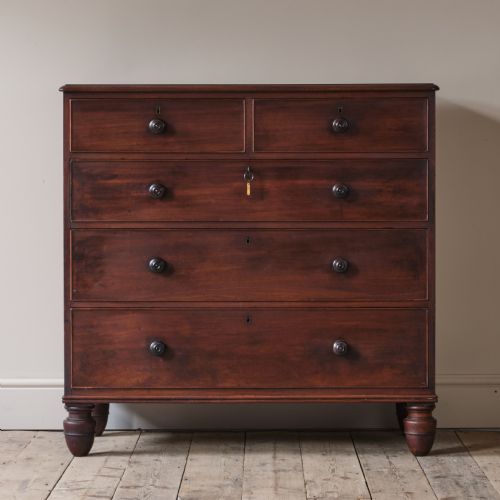
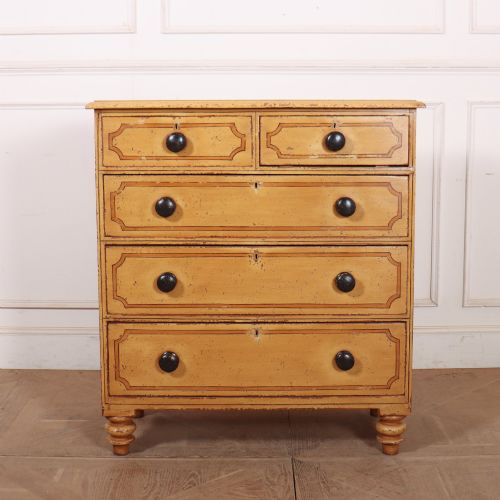
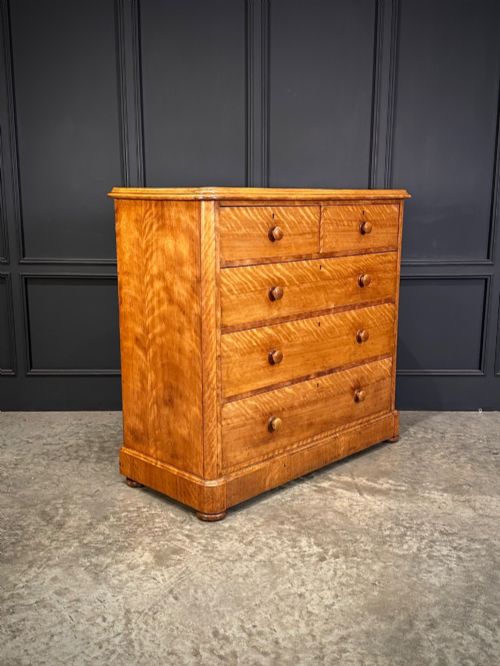

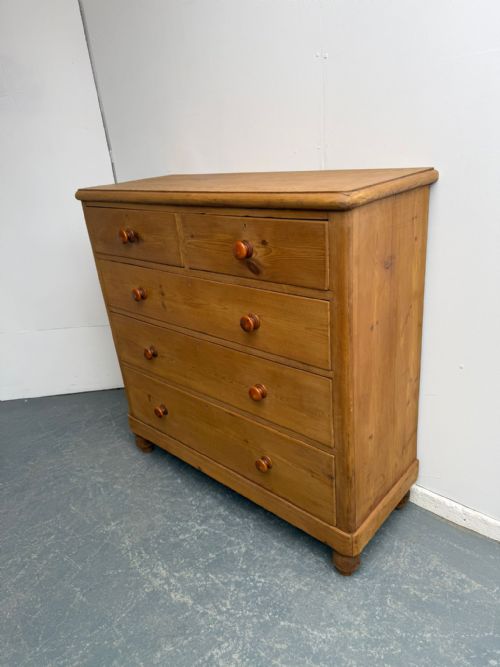
English Victorian Chest Drawers
These English victorian chest drawers provide enduring storage utility through robust nineteenth-century carpentry and diverse timber selections.
English Victorian Chest Drawers
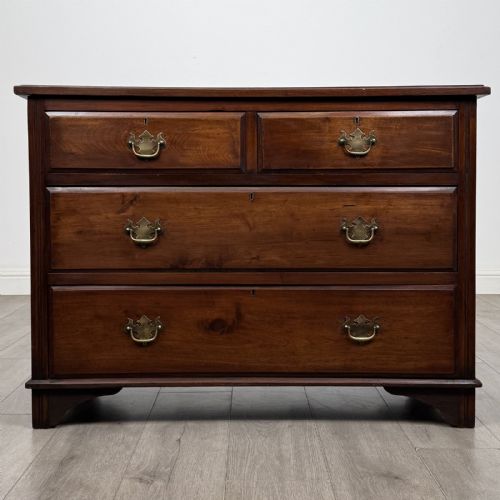
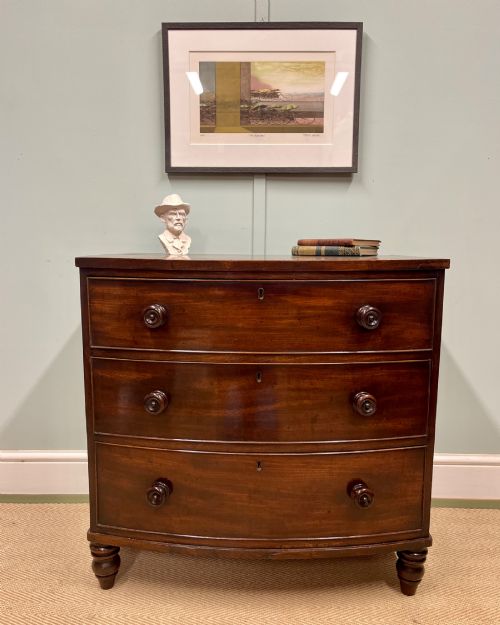
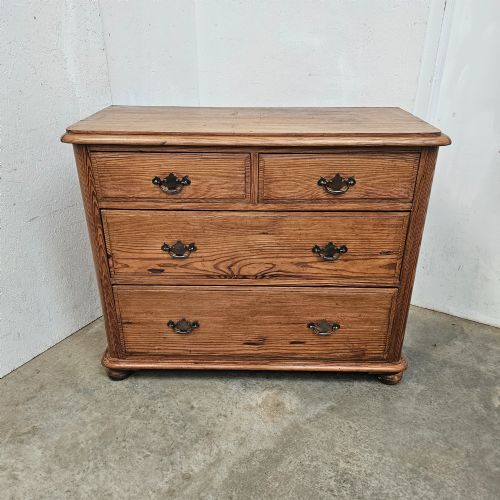
An english victorian chest drawers serves as a primary domestic storage item, commonly found in bedroom and hallway settings across nineteenth-century residences. Buyers encounter numerous variations ranging from utilitarian softwood examples to finely figured hardwood tier configurations.
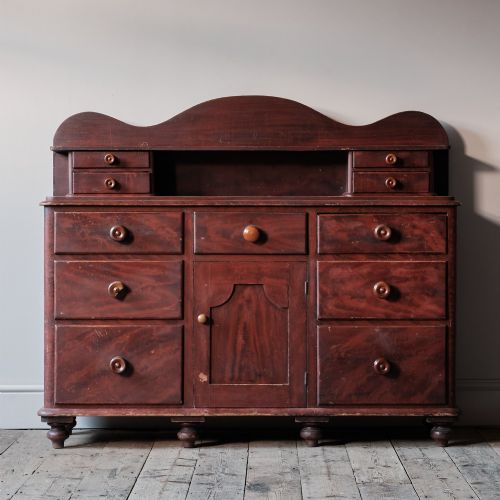
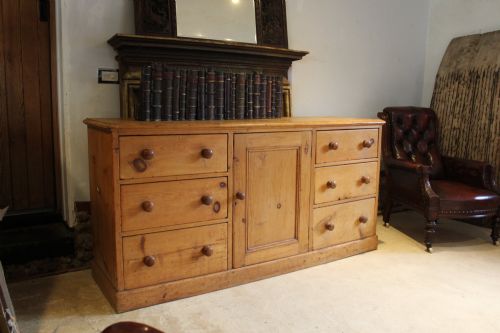
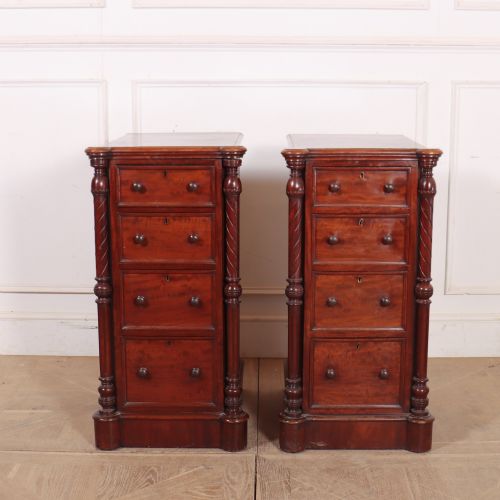
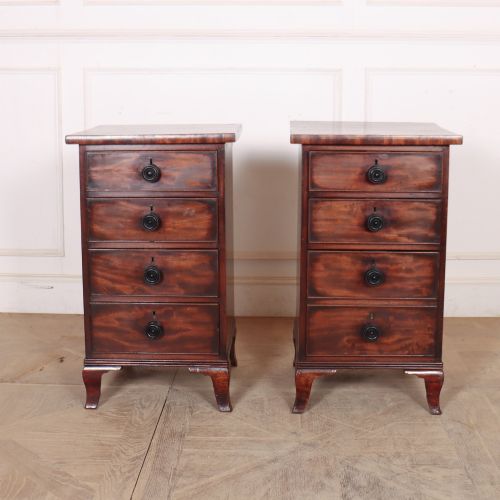
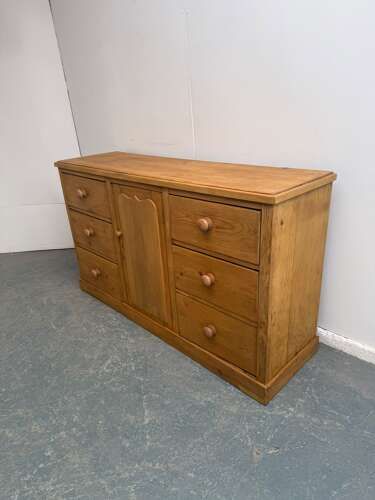
The selection frequently includes pine variants with waxed or original painted surfaces alongside mahogany, walnut, and pitch pine constructions. Formats extend beyond standard bedroom chests to incorporate compact bedside units, gentleman's tallboys, and specialised specimen cabinets.
Origins trace principally to nineteenth-century workshops, spanning early Victorian pine constructions through to late Victorian walnut and satinwood iterations. Regional English country pieces appear alongside sophisticated metropolitan cabinet-making.
How They Were Made
Cabinet-makers utilised native and imported timbers, pairing structural pine and oak carcases with decorative mahogany, walnut, and satinwood veneers. Brass fittings frequently supplied drawer pulls, corner braces, and campaign hardware.
Construction methods relied upon hand-cut dovetail joints for drawer assemblies and tongue and groove panel boarding for backs and interiors. Surfaces received traditional wax finishes or accumulated layers of original country house paint and scumble glazes.
English Victorian Chest Drawers Retail Price Guide 2026
Typical asking prices for english victorian chest drawers among the pieces listed under this phrase on Sellingantiques today, from the lower quarter to the upper quarter. They describe what is for sale here now, not the wider market.
Listings demonstrate a strong presence of 19th-century pine alongside mahogany, walnut, and pitch pine variations.
What Varies in Quality
Timber selection dictates the hierarchy, moving from utilitarian painted pine to highly figured flame mahogany and burr walnut veneers. Grain matching across drawer fronts and the integrity of secondary timbers reveal the maker's underlying skill.
Hardware originality and internal joinery refinement separate standard utility items from high-workshop commissions. Drawers operating smoothly within their housings and intact original surface patination distinguish superior surviving examples.
T & G Seddon·Maple & Co.·Holland & Sons·Graves and Sons of Devonport
The English Victorian Chest Drawers Glossary
- Wellington chest
- A tall, narrow chest featuring a hinged vertical locking stile secured by a side-mounted key mechanism. This form typically contains up to seven drawers designed for secure storage.
- Military campaign chest
- A sectional storage cabinet built in two or more stacking parts with recessed brass carrying handles and corner brasses. These pieces were constructed for easy dismantling during colonial transport.
- Tallboy
- A tall storage unit comprising a chest of drawers stacked beneath or upon another cabinet section. These pieces maximise vertical storage capacity in domestic interiors.
- Specimen cabinet
- A specialised small-drawer housing unit utilised by collectors for organising natural history samples or small objects. These items feature numerous shallow drawers within compact cabinetry.
- Scumble paint
- A decorative surface treatment applied over a base coat to imitate finer wood grains or create mottled texture. Artisans achieved this effect using translucent glazes worked with combs or rags.
English Victorian Chest Drawers: Frequently Asked Questions
How do I identify early Victorian pieces?
Early Victorian examples generally display heavier proportions and simpler lines compared to later nineteenth-century ornamentation. Construction details like hand-cut dovetails and solid timber carcases help establish this earlier timeline.
Secondary woods and drawer lining materials also offer clues to dating. Examining the interior construction reveals methods characteristic of mid-nineteenth-century cabinet workshops.
Were these chests used in bedrooms?
Bedrooms served as the primary destination for these chests, providing essential storage for garments and linens. Larger configurations sat against main chamber walls while smaller formats functioned as bedside tables.
Specialised iterations such as bachelor's chests and tallboys accommodated specific domestic routines. Their solid construction ensured they endured daily residential use across generations.
How should I care for waxed pine surfaces?
Maintaining waxed pine requires regular applications of traditional beeswax to nourish the timber and preserve the historic sheen. Avoid placing these pieces near direct heat sources or moisture to prevent wood movement.
Gentle dusting with a soft dry cloth prevents dirt accumulation on the surface. Preserving the original patina involves avoiding harsh chemical cleaners entirely.
What distinguishes campaign chests from standard models?
Campaign chests feature sectional carcasses and flush brass hardware designed for transport by military officers. Removable feet and side carrying handles set them apart from standard domestic chests.
Their robust internal construction allowed them to withstand frequent dismantling and long-distance travel. These practical adaptations created a distinct aesthetic characterised by exposed brass corners and strapping.