


English Vanity Seat
An English vanity seat brings domestic utility and period craftsmanship together, offering a practical stool for a dressing area or bedroom.
English Vanity Seat
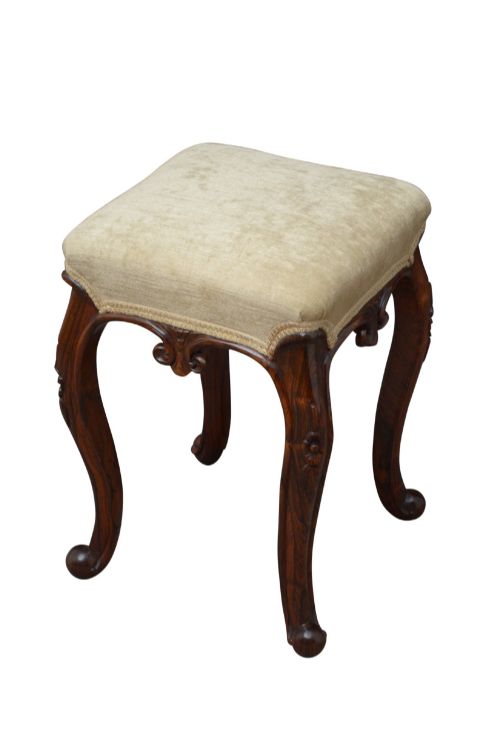
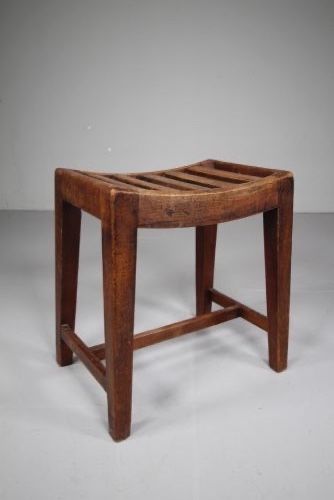
An english vanity seat appears in forms such as dressing table stools, piano stools, slipper chairs, and footstools. These seating pieces span multiple eras, including the eighteenth century, Regency, Victorian, Edwardian, and Art Deco periods.
The version most commonly met on this page is the dressing table stool, often featuring upholstered tops in fabrics like leather, chenille, linen, or flowery covers. Wooden frames define the majority of these examples, showing styles from Queen Anne to Art Deco.
How they were made
Cabinetmakers utilised timber varieties such as mahogany, walnut, goncalo alves, sycamore, and yew wood to construct the frames of an english vanity seat. These woods provide structural integrity while displaying natural grain patterns.
Upholstery techniques involve fabrics, leather, and brass details, securing the top covers over padded foundations. Selected pieces incorporate functional elements like integrated storage within the wooden framework.
Listings feature mahogany, walnut, goncalo alves, sycamore, and yew wood across Victorian, Edwardian, Art Deco, and Georgian periods.
What varies in quality
The refinement of the timber work and the selection of materials distinguish finer examples of an english vanity seat from standard pieces. Rich cabinet woods like goncalo alves and detailed shaping on legs elevate the visual merit of the frame.
The integrity of the upholstery and the choice of covering materials, from vintage mulberry linen to supple leather, reflect the original tier of production. Subtle variations in proportions and period details govern the overall character of each seat.
Harry And Lou Epstein
The English Vanity Seat Glossary
- Cabriole leg
- A furniture leg that curves out and then in, resembling an animal's leg. This shape appears frequently on eighteenth-century and Victorian pieces.
- Goncalo alves
- A dense exotic hardwood prized for its striking contrasting grain. It provides a distinct reddish-brown finish on period furniture frames.
- Sycamore
- A pale hardwood often utilised in cabinetmaking and decorative veneer work. It offers a smooth surface texture and light colour tone.
- Slipper chair
- A low-seated upholstered chair designed for comfortable use in a bedroom or dressing room. These seats typically lack arms to allow ease of movement.
- Chenille
- A heavy, tufted fabric frequently selected for upholstery. Its velvety texture provides a soft surface finish.
English Vanity Seat: Frequently Asked Questions
How do I style a vanity stool?
A vanity stool sits neatly beneath a dressing table or vanity desk when not in use. Its compact scale allows it to tuck away to save space.
You can match the wood tone and upholstery fabric with other bedroom furnishings to create a cohesive interior scheme.
How do I identify a Victorian stool?
Victorian stools often feature dense hardwoods like walnut or goncalo alves, sometimes incorporating decorative cabriole legs. These pieces reflect the heavier proportions and detailed craftsmanship of the nineteenth century.
Examining the construction methods and wood types helps distinguish them from later twentieth-century reproductions.
Did vanity seats have storage?
Certain period vanity stools include built-in storage compartments beneath the upholstered seat top. These hidden spaces were useful for holding small grooming items or sheet music.
Hinged mechanisms allow the top to lift while maintaining a neat exterior appearance.