



English Tavern Table
An english tavern table brings the honest, sturdy utility of historic public houses straight into a modern interior.
English Tavern Table
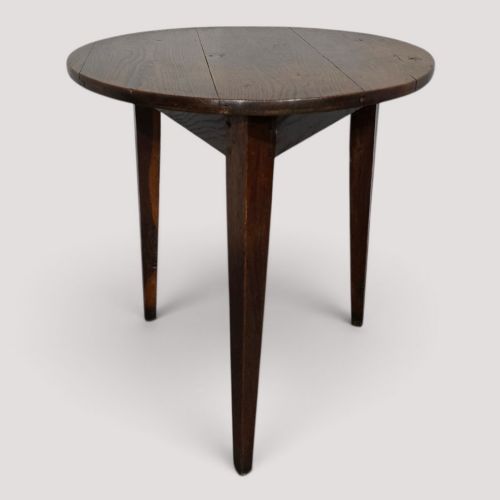
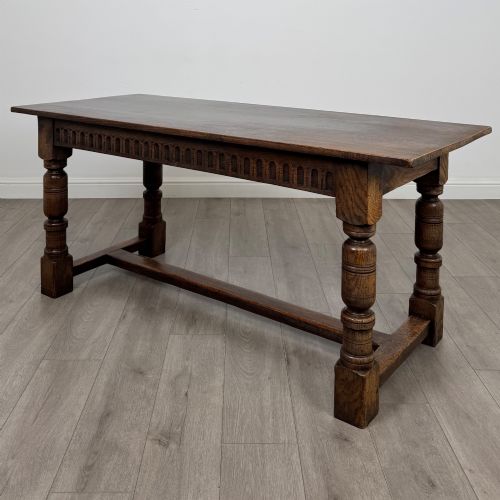
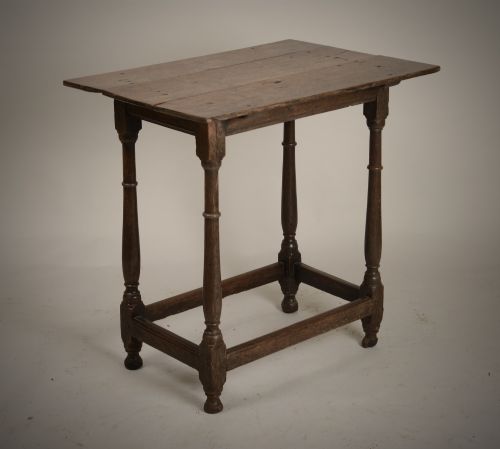
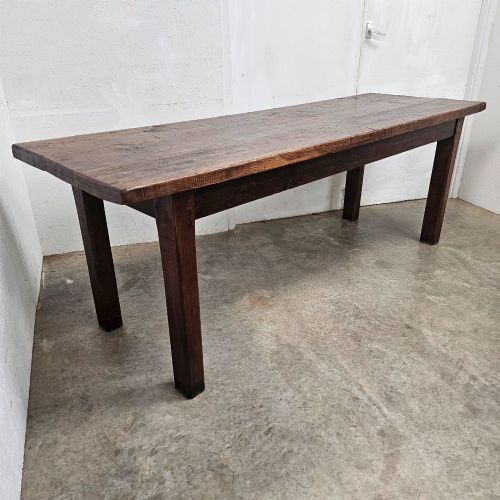
An english tavern table represents the utilitarian furniture built for commercial hospitality and domestic use across centuries of English history. Buyers searching this phrase look for robust surfaces designed to handle heavy daily use in public houses, inns and country kitchens.
The pieces appearing on this page span several distinct periods, most notably the eighteenth and nineteenth centuries, alongside regional variations from the seventeenth century and later revivals. Common forms include thick-topped dining tables, compact side tables, trestles and X-frame designs.
Origins remain rooted in English country workshops where local cabinet makers used regional timber to construct enduring furniture. The survivor you meet here is typically fashioned from oak, pine or elm, reflecting the practical requirements of historic tavern life.
What varies in quality
The distinction between ordinary examples and superior pieces rests upon the integrity of the timber and the honesty of the surface patination. Tables that retain their original structural elements and unstripped finishes command greater appreciation from collectors.
Proportion and construction detail also separate standard utility items from finer vernacular pieces, particularly where turned baluster posts, robust stretchers or authentic period paint surfaces survive intact.
Some historic tavern tables preserve authentic contemporary graffiti carved directly into the wooden top by past patrons.
The English Tavern Table Glossary
- Cricket table
- A small three-legged occasional table, typically constructed with a round wooden top and splayed legs, common in country houses and taverns.
- X-frame
- A structural base design formed by intersecting diagonal timbers that provide robust support beneath a heavy tabletop.
- Refectory table
- A long, narrow dining table traditionally built for communal dining halls, adapted over time for tavern and domestic use.
- Vernacular furniture
- Domestic or commercial objects made by local craftsmen using traditional regional styles and available materials, uninfluenced by high-style London fashions.
- Waney edge
- The natural, rounded edge of a wooden board that still retains the curve of the tree trunk from which it was cut.
English Tavern Table: Frequently Asked Questions
What is an english tavern table?
An english tavern table is a sturdy, utilitarian piece of antique furniture originally built for use in public houses, inns and rustic dining spaces.
These tables were designed for heavy daily use, featuring thick wooden tops, robust underframes and practical formats ranging from compact side tables to long dining boards.
How were tavern tables used?
Historically, these tables served patrons in busy taverns and public houses for eating, drinking and communal gatherings.
Today, buyers use them in domestic kitchens, dining rooms and studies as practical working surfaces or characterful dining tables.
What woods were used?
Carpenters relied heavily on native English hardwoods and softwoods that offered durability and strength.
Oak, pine and elm appear most frequently in these listings, occasionally paired with cast iron frames or finished with original painted surfaces.
How do I date a tavern table?
Dating relies on examining the construction methods, tool marks, timber characteristics and overall style of the piece.
Early examples often display pegged mortise and tenon joints and hand-sawn boards, while nineteenth-century versions may incorporate iron framing or simpler framing techniques.
Are painted tavern tables authentic?
Many historic tavern tables received coats of paint during their working lives to protect the wood and maintain a clean surface in busy inns.
Original paint surfaces survive on several period examples, showing authentic wear that adds significant historic character to the piece.