







English Tavern Clock
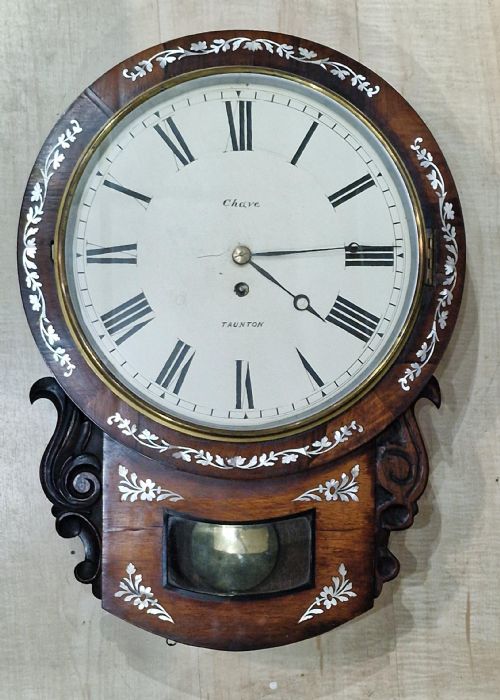
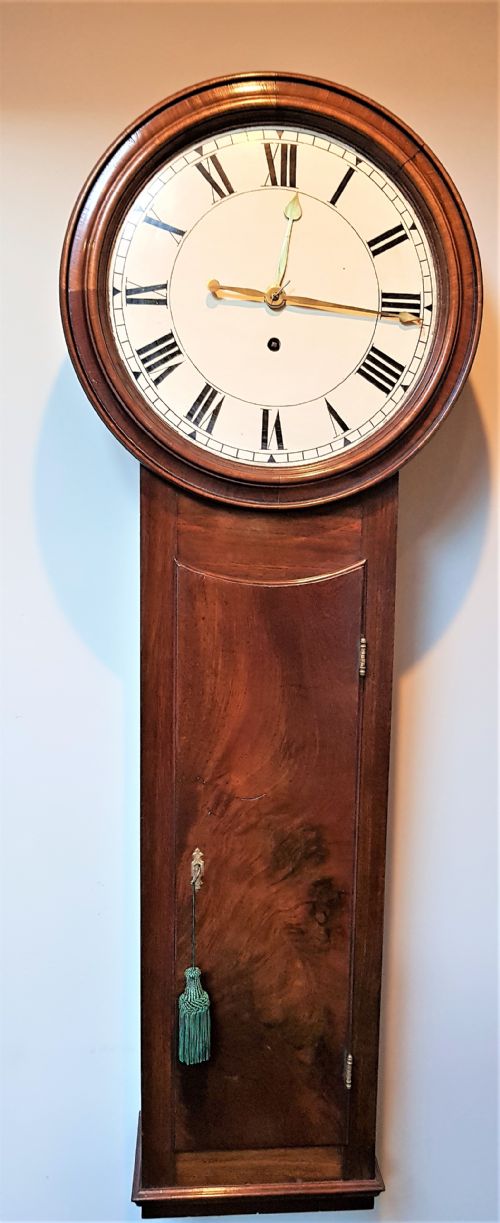
An english tavern clock is a substantial timepiece designed for public and domestic walls, combining architectural wood cases with clear painted or wooden dials.
English Tavern Clock
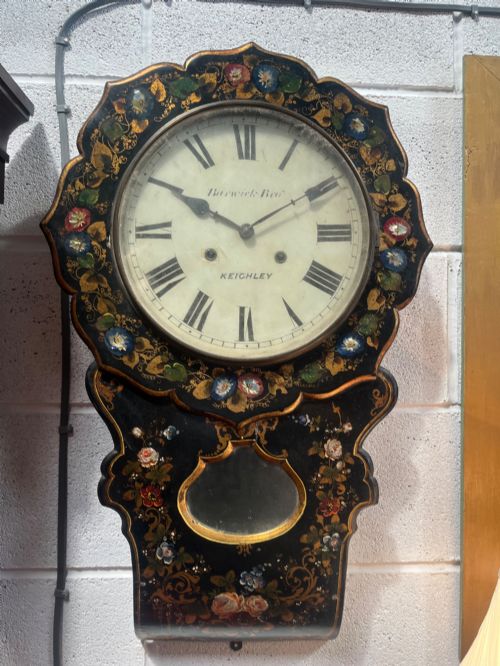
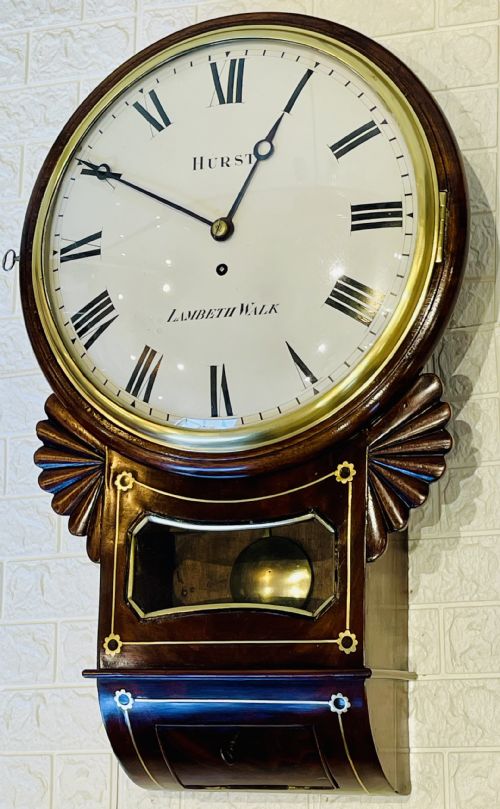
When you search for an english tavern clock, you encounter large wall-hanging timepieces originating from the eighteenth and nineteenth centuries. These pieces encompass Georgian, Regency, and Victorian eras, taking the form of dial clocks and drop-dial variants.
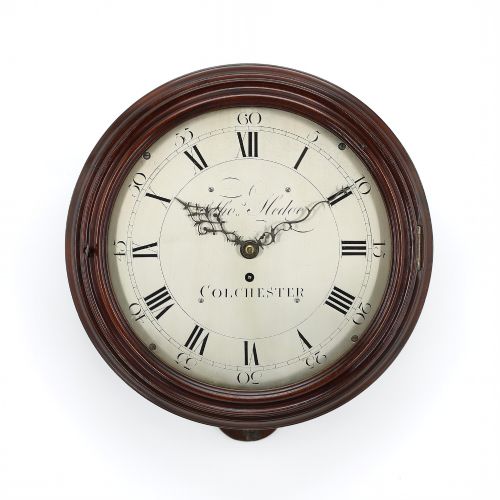
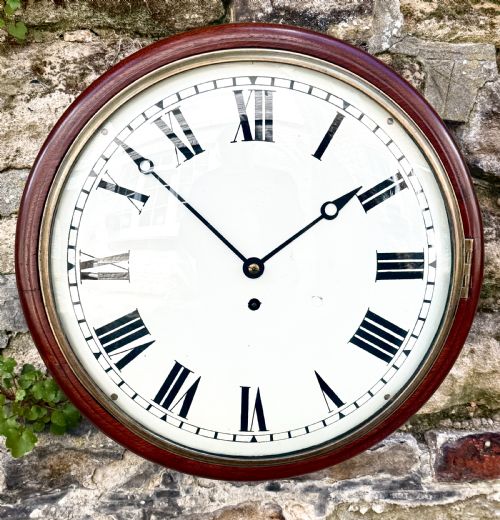
The versions most frequently met on this page feature mahogany cases and prominent circular faces. Makers from London and regional centres such as Hereford, Colchester, Taunton, and Norwich built these instruments for both utilitarian timekeeping and interior presence.
How they were made
Cabinetmakers constructed the wall cases principally in mahogany, rosewood, and ebonised wood, occasionally employing papier-mache and painted metal. Brass details and steel movements complete the interior mechanism of these wall hanging clocks.
Dial construction utilised painted metal, glass covers, and occasionally solid wood. Movements relied on fusee mechanisms and verge escapements, while regional variations included weight-driven systems.
English Tavern Clock Retail Price Guide 2026
Typical asking prices for english tavern clock among the pieces listed under this phrase on Sellingantiques today, from the lower quarter to the upper quarter. They describe what is for sale here now, not the wider market.
Listings feature mahogany, rosewood, and ebonised wood alongside painted metal dials and glass covers.
What varies in quality
The distinction between standard examples and superior pieces rests upon the precision of the dial decoration and the choice of cabinet timber. Richly figured mahogany cases and finely executed painted decoration indicate a higher standard of manufacture.
Signed movements by recorded makers elevate the standing of a wall clock above anonymous workshop production. The integration of mechanical sophistication, such as striking trains and verge escapements, separates ordinary timepieces from distinguished specimens.
Richard Jones of Hereford·Thomas Hedge of Colchester·Samuel Chave Taunton·Robert Salmon·J. Beckett of London·Peter Debaufre
The English Tavern Clock Glossary
- Fusee
- A conical pulley used in clock movements to maintain an even pull as the mainspring unwinds. This mechanism ensures more consistent timekeeping throughout the power reserve.
- Verge escapement
- An early type of escapement mechanism that controls the release of power in a clock. It is paired with a balance or pendulum to regulate movement.
- Drop dial
- A clock case featuring an extended lower portion below the main circular dial, often accommodating a long pendulum or weight drop. This form became popular during the Regency period.
- Dial clock
- A wall-mounted timepiece dominated by a visible face rather than a tall case. These clocks were standard in public houses, institutions, and domestic halls.
English Tavern Clock: Frequently Asked Questions
Where were these clocks used?
These timepieces were primarily manufactured for placement in taverns, coaching inns, and public meeting rooms where reliable time was necessary. Later examples also found places in domestic hallways and commercial offices.
Because they hung securely on walls, they saved floor space while remaining visible to everyone in a busy room.
How do I tell periods apart?
Georgian and George III models often display traditional wood cases and early verge movements by named provincial or London makers. Regency examples frequently introduce drop-dial shapes and octagonal wooden frames.
Victorian pieces continue the wall-hanging format with variations in timber treatment and dial painting. Comparing the case silhouette and dial material helps determine the era of manufacture.
How do I live with one?
Living with an english tavern clock involves securing it firmly to a sturdy wall capable of supporting its substantial weight. Regular winding and proper placement away from damp areas will keep the mechanical movement functioning correctly.
Position the clock at eye level in a room with adequate wall space to showcase its dial and timber case. The ticking movement adds an authentic traditional atmosphere to an interior.