

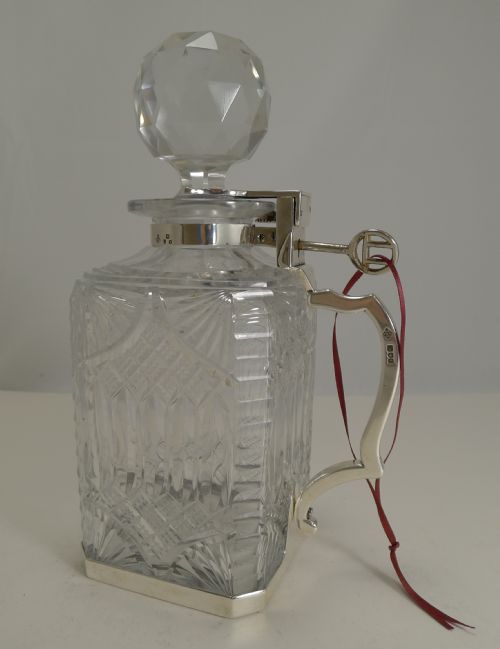


English Tantalus
These English tantalus pieces and locking decanter boxes keep spirits secure behind a clever frame, offering both display and discretion for the home bar.
English Tantalus
An English tantalus is a locking barware container designed to secure decanters of spirits from unauthorized access while still displaying the cut crystal bottles within. The mechanism typically holds the stoppers firmly in place when locked, preventing the removal of liquor until a key is turned.
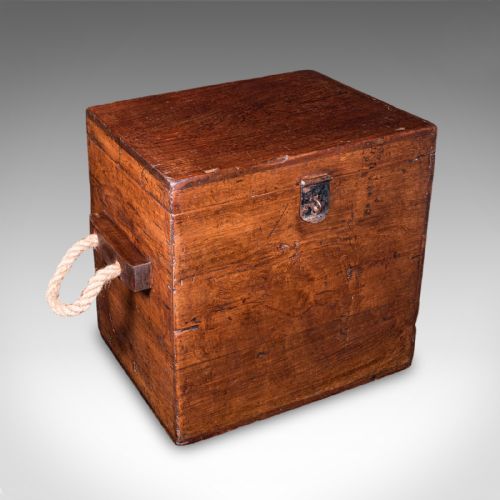
The selections span various forms from compact single locking decanters to elaborate Victorian and Edwardian tantalus and games compendiums. Walnut, mahogany, and coromandel cases appear frequently alongside specialised novelty spirit barrels and maritime storage boxes.
Periods represented stretch from the Georgian era through Victorian Gothic Revival and Edwardian designs into the Art Deco style of the 1930s. Buyers will encounter both standalone decanter boxes with Bramah locks and complex travelling bars outfitted for fine entertaining.
How they were made
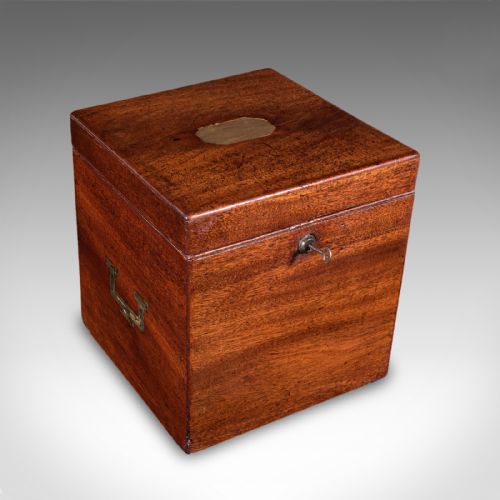
Cabinetmakers constructed the wooden frames from dense hardwoods such as mahogany, walnut, and coromandel, often incorporating brass hardware and secure locking mechanisms. These robust enclosures protect the heavy glass vessels housed inside during transport or daily use.
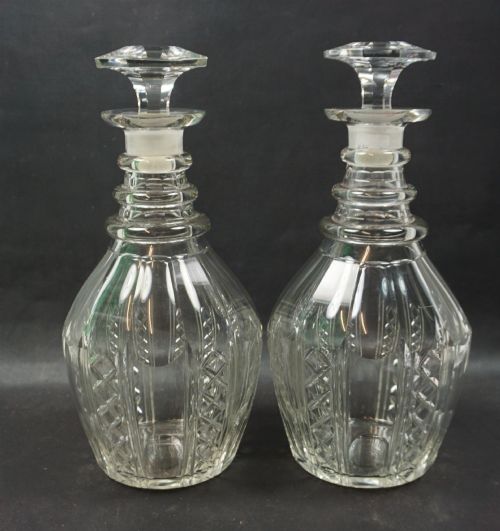
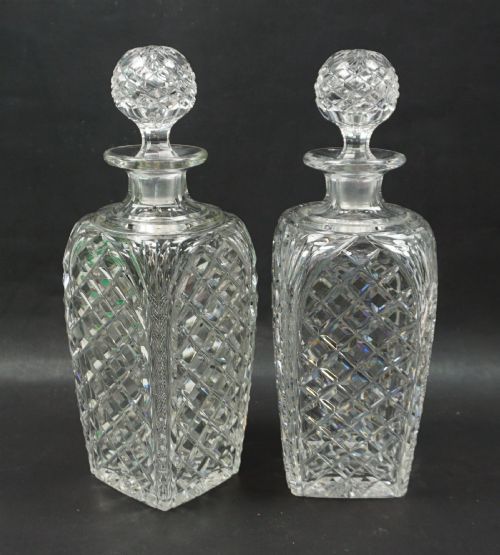
The internal bottles utilise cut crystal and glass, shaped into square sections or tapered forms designed to sit snugly within the wooden or metal framework. Sterling silver mounts and silver plate frequently accent the rims, stoppers, and locking bars.
Mechanisms rely on precision engineering, utilising Bramah locks and folding steel or brass frames that engage when the key turns. The combination of fine cabinetmaking and heavy metalwork defines the construction of these locking drink cases.
English Tantalus Retail Price Guide 2026
Typical asking prices for english tantalus among the pieces listed under this phrase on Sellingantiques today, from the lower quarter to the upper quarter. They describe what is for sale here now, not the wider market.
Named after a Greek king punished by eternal thirst, the device keeps your best scotch tantalisingly visible yet entirely out of reach.
What varies in quality
The sophistication of the locking mechanism and the integrity of the fitted case set finer examples apart from standard production. High-end pieces incorporate patented locks and integrated games compendiums or travelling bar equipment.
Glassware quality shows in the depth of the cut crystal and the matching of original decanters and stoppers to the specific box. Complete sets featuring original crystal alongside well-preserved wood veneers represent superior craftsmanship.
Hukin and Heath·Mappin Brothers
The English Tantalus Glossary
- Tantalus
- A locking drink cabinet or frame that displays decanters while preventing the removal of their stoppers and contents. The name derives from the mythological figure of Tantalus, who was kept just out of reach of food and water.
- Bramah lock
- A high-security cylindrical lock invented by Joseph Bramah in the late eighteenth century. These mechanisms are renowned for their complex key designs and pick-resistant cylinders found on quality antique boxes.
- Compendium
- A fitted box or cabinet containing multiple games or luxury items alongside the primary drink storage. These versatile pieces served travellers and hosts seeking entertainment in a single portable unit.
- Cut crystal
- Heavy lead glass decorated with deep geometric or floral facets cut into the surface. This material catches the light and adds considerable weight to the decanters housed within the locking frame.
English Tantalus: Frequently Asked Questions
What is an English tantalus?
An English tantalus is a locking frame or cabinet designed to hold decanters securely while displaying the cut crystal bottles. The locking bar prevents the stoppers from being lifted, keeping the contents safe.
These pieces emerged in the Victorian era as a clever way for hosts to restrict access to expensive spirits while still showcasing their hospitality.
How does the locking mechanism work?
The mechanism usually involves a metal bar that swings across the necks of the decanters, trapping the glass stoppers beneath it. Turning a key in the lock secures this bar in place.
When unlocked, the bar swings clear or lifts upward, allowing the decanters to be removed freely from their wooden base.
Were these used for travel?
Many examples, particularly those described as travelling bars or maritime boxes, were built specifically for journeys. They feature secure internal compartments designed to withstand motion.
Heavier stationary models remained in the home, gracing sideboards and drawing rooms during the Victorian and Edwardian periods.
How do I date a piece?
Dating relies on a combination of wood types, lock styles, and decorative motifs characteristic of periods like Georgian, Victorian, or Art Deco. Hallmarks on silver mounts also provide precise manufacturing years.
Examining the construction methods and the style of the cut crystal helps place the piece within its historical era.