



English Sterling Frame
An english sterling frame brings polished precious metal to your desktop, holding family portraits and decorative watercolours in solid silver.
English Sterling Frame
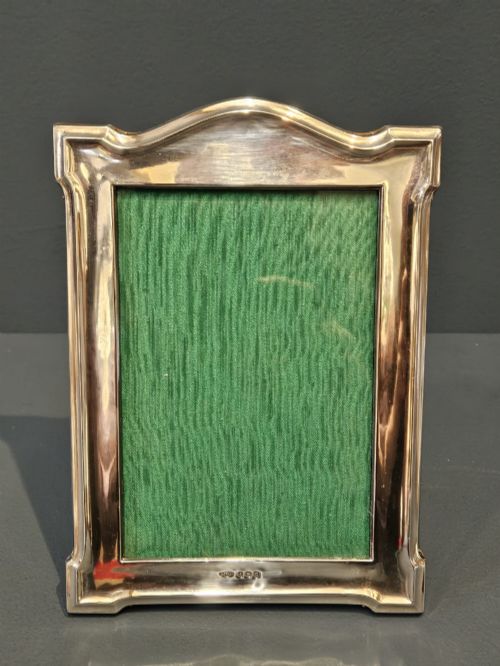
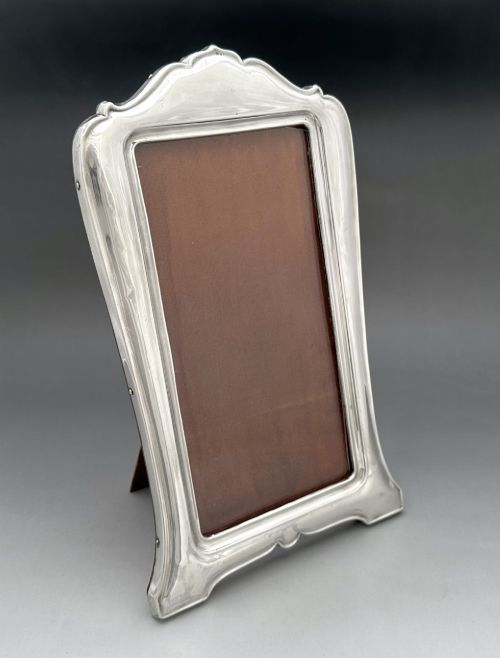
An english sterling frame is primarily found as a picture or photograph frame, though related desk and dressing table items appear in silver. The pieces date largely from the Edwardian period through to the mid-twentieth century, encompassing George V and Art Deco designs.
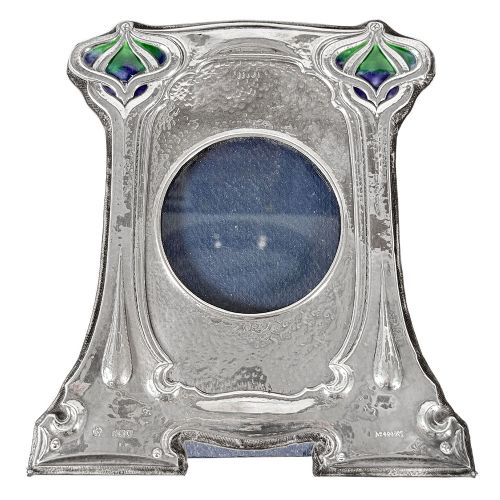
Makers produced rectangular, heart-shaped, and novelty formats designed to stand upright or hang. The selection includes standard domestic styles alongside specialised items like tennis-themed frames and enamel-decorated pieces.
How they were made
Silversmiths utilised sterling silver sheet, hammering and pressing the metal into distinct moulding profiles. Wooden backs and fabric linings, such as velvet, provided structural support and a finished interior structure.
Surface decoration involved engine-turning, repoussé work, and applied enamel details. Assay office hallmarks stamped directly into the silver record the specific year and town of manufacture.
English Sterling Frame Retail Price Guide 2026
Typical asking prices for english sterling frame among the pieces listed under this phrase on Sellingantiques today, from the lower quarter to the upper quarter. They describe what is for sale here now, not the wider market.
What varies in quality
The thickness of the silver gauge dictates the overall substance and rigidity of the frame. Lighter metal flexes easily, whereas solid construction maintains structural integrity over decades of use.
Complexity of ornamentation separates standard domestic production from specialist work. Items featuring hand-applied enamel, engine-turned patterns, or figural motifs represent more ambitious manufacturing standards.
William Hutton and Sons
The English Sterling Frame Glossary
- Sterling silver
- A silver alloy consisting of 92.5 percent pure silver and 7.5 percent other metals, usually copper, chosen for durability.
- Hallmark
- A series of official marks stamped onto precious metals indicating the standard of purity, assay office, and date letter.
- Engine-turning
- A mechanical decoration technique that etches precise geometric patterns into the metal surface.
- Enamel
- A glassy substance fused to the surface of metal through firing for decorative colour.
- Assay office
- An official body that tests precious metals and applies statutory hallmarks.
English Sterling Frame: Frequently Asked Questions
What periods do these frames come from?
The available pieces span from the late Victorian and Edwardian eras through the George V and Art Deco periods, extending into the nineteen-forties. Each era brought distinct decorative shifts from ornate floral motifs to geometric lines.
Assay hallmarks stamped into the metal allow precise dating for most examples. These marks identify the specific year of production and the town where the silver was tested.
How were these frames used?
They served primarily as desk accessories and dressing table ornaments for displaying portrait photographs of family members. Novelty shapes and sports-themed designs also functioned as decorative conversation pieces in domestic interiors.
Most incorporate wooden backing boards and easel struts designed to support the frame upright on a flat surface. Fabric linings like velvet protected the reverse of the photographs.
How do I clean sterling silver?
Maintenance requires soft cloths formulated specifically for silver to remove tarnish without abrading the metal surface. Liquid dips should be avoided on fitted pieces to prevent damage to the wooden backs and fabric linings.
Regular, gentle polishing preserves the hallmark stampings and the fine details of engine-turned or embossed decoration. Storing pieces away from damp environments slows the return of tarnish.
What styles are common?
Edwardian and Art Nouveau designs frequently feature flowing floral motifs, organic curves, and heart shapes. Arts and Crafts examples often incorporate hand-beaten textures and coloured enamel accents.
Later items from the nineteen-twenties and nineteen-thirties adopt clean geometric styling associated with Art Deco. Engine-turned patterns remain a consistent feature across multiple decades.