

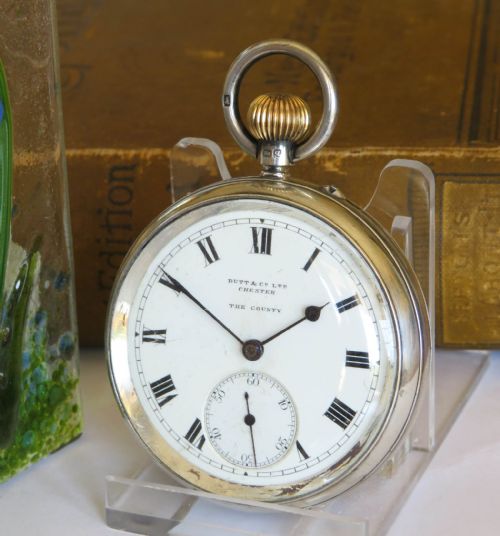

English Silver Watch Fob
An english silver watch fob is a pocket watch accessory or attached pendant reflecting Victorian and later craftsmanship, prized for solid silver weight and detail.
English Silver Watch Fob
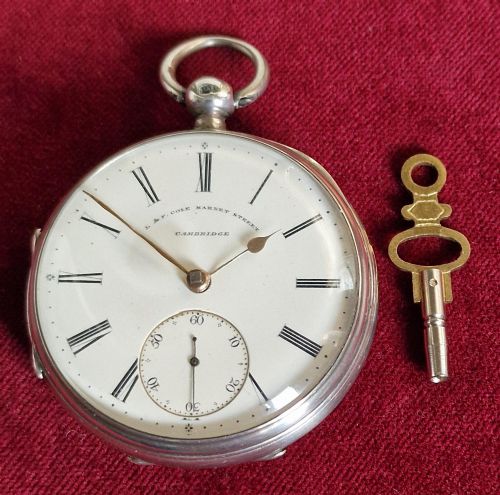
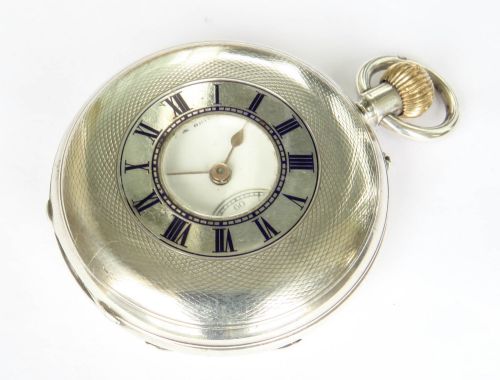
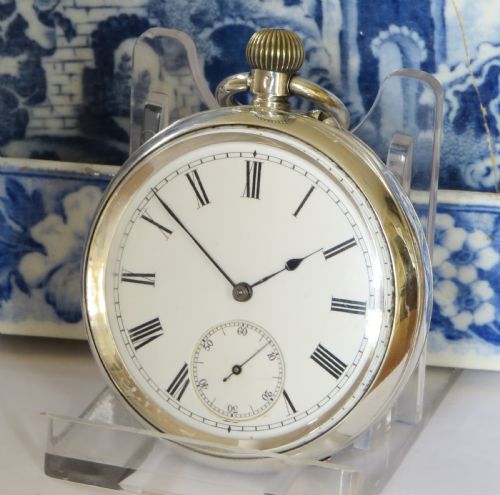
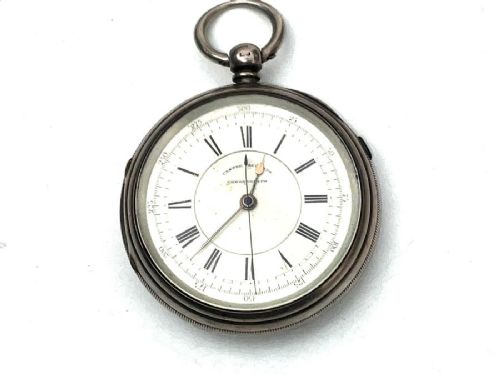
When you search for an english silver watch fob, you encounter pocket watches, watch chains, and dedicated seal or horse fobs in solid silver. The pieces date from the nineteenth century through the Edwardian era and into the nineteen-thirties.
The objects combine functional pocket watch hardware with decorative elements like enamel, glass, brass, and steel accents. They represent a tradition of British silversmithing spanning several decades of change in design and mechanics.
How they were made
Makers shaped solid sterling silver and standard silver into robust watch chains, hunter cases, and hanging fobs, sometimes incorporating brass, steel, glass, and enamel details. Components were hallmarked to verify metal purity and origin.
Link construction for watch chains required precise linkage of silver links, while pocket watch cases involved careful metal shaping to house fusee, lever, and chronograph movements. Fobs were cast, engraved, or set with decorative panels to complete the ensemble.
English Silver Watch Fob Retail Price Guide 2026
Typical asking prices for english silver watch fob among the pieces listed under this phrase on Sellingantiques today, from the lower quarter to the upper quarter. They describe what is for sale here now, not the wider market.
Listings feature Victorian, Edwardian, and Art Deco pieces made from solid sterling silver, glass, enamel, and brass.
What varies in quality
Quality rests in the heaviness of the solid sterling silver and the crispness of the hallmarks, maker marks, and engraved decoration. Weight matters significantly, with heavier chains and substantial fobs commanding greater attention from collectors.
The reputation of the maker, such as Hamilton & Inches, JW Benson, or William Ehrhardt, distinguishes standard work from finer pieces. Preservation of original components, from the watch movement down to the attached seal or horse fob, determines the standing of an item.
Hamilton & Inches·Kendal & Dent·JW Benson·J G Graves Sheffield·William Ehrhardt
The English Silver Watch Fob Glossary
- Hallmark
- Official stamped markings on silver indicating the assay office, metal purity, and date letter. These marks provide definitive proof of British origin and age.
- Fusee
- A conical pulley mechanism used in older pocket watches to maintain even tension as the mainspring unwound. It represents a complex form of traditional watchmaking.
- Hunter
- A pocket watch featuring a spring-loaded metal cover that protects the glass dial. Half hunter versions include a small glass opening in the cover to check the hands without opening it.
- Albert chain
- A type of watch chain designed to attach a pocket watch to a waistcoat, often featuring a T-bar at one end and a drop for a fob.
- Seal fob
- A small pendant featuring an engraved matrix at the base, originally used for pressing into hot wax to seal correspondence.
English Silver Watch Fob: Frequently Asked Questions
How were watch chains worn?
Watch chains were typically strung across a waistcoat, secured by a T-bar through a buttonhole. The pocket watch sat in one pocket while the fob hung as a pendant.
This arrangement kept the timepiece secure while displaying the owner's taste and sometimes their club or sporting affiliations.
How do I date an english silver watch fob?
Dating relies heavily on the hallmarks stamped into the silver components. Assay office marks and date letters reveal the exact year of manufacture.
Stylistic shifts between Victorian, Edwardian, and Art Deco periods also help place the piece in time when hallmarks are rubbed or absent.
What materials are used in these pieces?
The primary material is solid sterling silver, frequently accompanied by steel mechanisms in the watches and brass internal parts. Some pieces incorporate enamel colour or glass panels.
Combinations of metals reflect the manufacturing standards of British workshops during the Victorian and Edwardian eras.