





English Silver Pocket Case
An English silver pocket case is a portable receptacle for tobacco, matches, cards, or personal trinkets, valued for its fine metalwork and compact utility.
English Silver Pocket Case
When searching for an English silver pocket case, buyers encounter a diverse selection of small personal containers spanning from the eighteenth century through to the middle of the twentieth century. These items include card cases, cigarette cases, vesta cases, matchbook boxes, and etuis designed to fit easily into a waistcoat pocket or handbag.
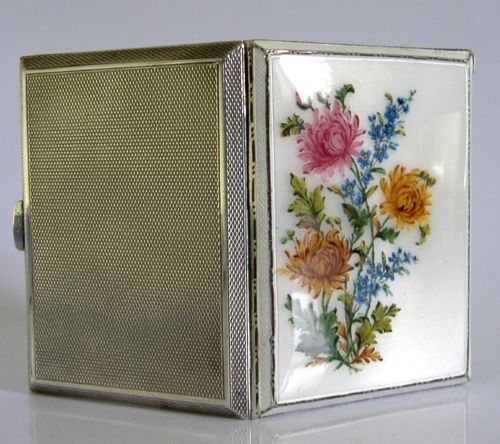
The pieces listed on this page encompass various periods, notably the Victorian, Edwardian, and Art Deco eras, alongside earlier Georgian and William IV examples. Forms range from plain sterling silver match safes to elaborate enamel hand-painted cigarette cases and gilt-interior vinaigrettes.
Originating primarily from English silversmithing centres such as Birmingham and London, these pocket containers reflect the changing social habits and personal accessories of their times. Buyers are most likely to meet Victorian and early twentieth-century sterling silver iterations equipped with hinged lids and secure catches.
Materials and construction methods
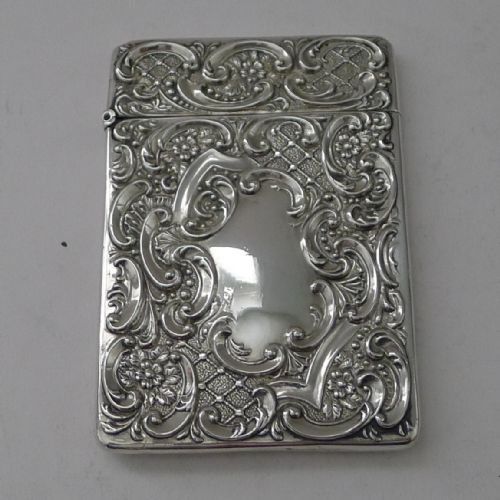
Makers utilised sterling silver and silver-gilt as the primary structural metals, often shaping the bodies through pressing, stamping, or hand-beating sheet silver. Engraving, chasing, and engine-turning created intricate surface patterns, while applied enamelling added colour and pictorial detail to specific luxury items.
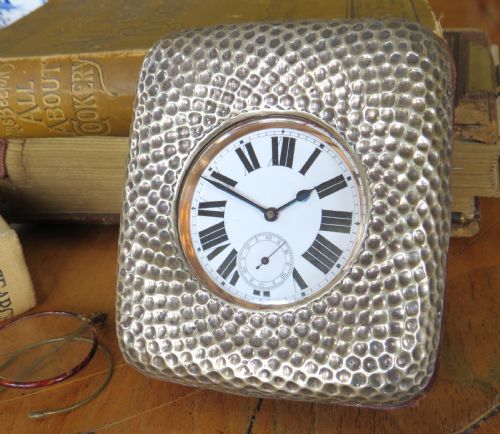
Interior components frequently incorporated secondary materials like silk linings, glass, leather, or brass fittings to accommodate delicate contents such as travel thermometers, watches, or specialised tools. Hinges, spring-loaded clasps, and bezels required precise metalworking to ensure the tight closures necessary for pocket use.
English Silver Pocket Case Retail Price Guide 2026
Typical asking prices for english silver pocket case among the pieces listed under this phrase on Sellingantiques today, from the lower quarter to the upper quarter. They describe what is for sale here now, not the wider market.
Object forms documented here include vesta cases, cigarette cases, card cases, pocket watches, vinaigrettes, etuis, cigar cases, and sporting collectables.
Evaluating craftsmanship and condition
The distinction between standard examples and superior pieces rests on the crispness of the chasing, the delicacy of any hand-painted enamel work, and the structural integrity of the hinges and catches. Finer items exhibit sharp hallmarks, substantial silver weight, and well-preserved original interiors such as Moroccan leather or gilt washes.
ROBERT PRINGLE·JW Benson·Nathaniel Mills·Thomas Harris & Son
The English Silver Pocket Case Glossary
- Sterling silver
- A silver alloy containing 92.5 percent pure silver and 7.5 percent other metals, usually copper, providing durability for pocket items.
- Vesta case
- A small pocket box designed to hold wax matches, commonly featuring a striated surface on the base for igniting them.
- Vinaigrette
- A small ornamental box with a pierced inner grille, holding a sponge soaked in aromatic vinegar to mask unpleasant odours.
- Etui
- A small decorative case used for holding needles, tweezers, scissors, and other personal implements.
- Silver-gilt
- Silver that has been coated with a thin layer of gold on its surface, often used for the interior of boxes to prevent tarnishing from contents.
- Hallmark
- An official stamp applied to precious metals indicating the standard of purity, the assay office, and the year of manufacture.
English Silver Pocket Case: Frequently Asked Questions
What fits inside an English silver pocket case?
These cases were designed for specific personal items of the period, including calling cards, cigarettes, loose matches, or small instruments. The exact internal configuration depends on whether the piece functions as a vesta case, a card case, or an etui.
Matching the interior dimensions to your intended use ensures the object functions as originally intended while remaining faithful to its historical purpose.
How do I date an antique silver pocket case?
Dating relies heavily on the stamped hallmarks, which indicate the assay office, standard of silver, and a specific date letter corresponding to the year of manufacture. Stylistic indicators such as Victorian ornamentation or Art Deco geometric lines also help place the piece in its correct era.
Examining the maker's mark alongside the assay office emblem provides the most reliable chronological reference point.
What is the difference between a vesta case and a card case?
A vesta case is a compact box intended for holding matches, usually featuring a ribbed striking surface on the exterior. A card case is flatter and wider, specifically engineered to store thin paper calling cards without bending them.
Examining the depth and internal spring mechanisms generally distinguishes a match safe from a receptacle meant for visiting cards.