



English Scent Bottle
An English scent bottle brings portable fragrance into daily use, combining fine glass, porcelain, and sterling silver.
English Scent Bottle
An english scent bottle encompasses small portable vessels designed for perfume, ranging from Victorian silver-topped cut glass to Regency porcelain sprinklers. These pieces reflect diverse domestic habits across the nineteenth and twentieth centuries, functioning as both personal accessories and decorative dressing table items.
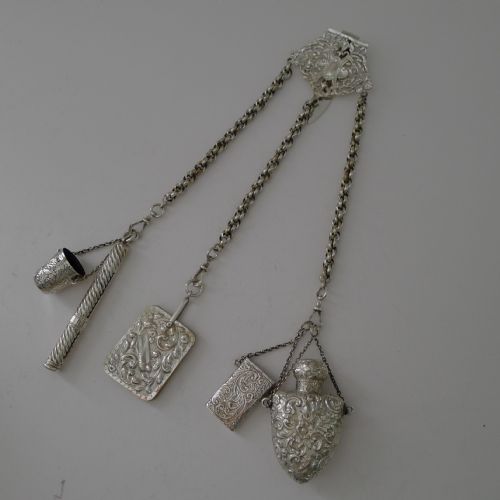
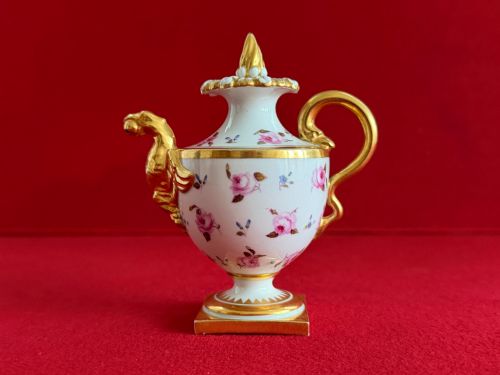
The versions most frequently met on this page combine glass or porcelain bodies with sterling silver collars, mounts, or chatelaine clips. Pieces span various distinct periods, including Regency, Victorian, and Art Deco designs.
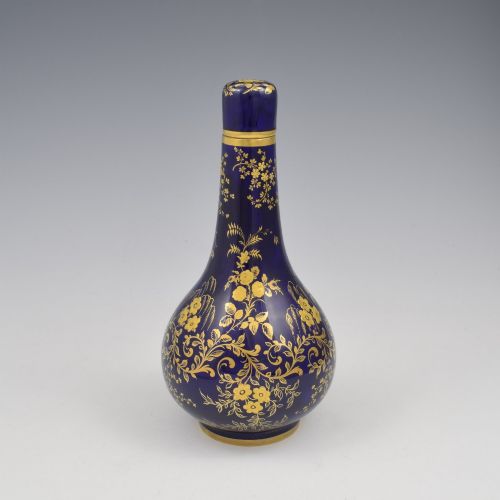
Forms extend beyond simple bottles to incorporate ewers, chatelaines, and bottle vases with covers, demonstrating how scent containers evolved in style and function.
Materials and manufacture
Makers utilised transparent and overlay glass, cut glass, and hard-paste porcelain as the primary bodies for holding fragrance. These materials were frequently paired with sterling silver for screw caps, hinged lids, and protective collars.
Decorative techniques recorded in the evidence include hand-applied enamel, guilloché enamel, gold leaf application, and intricate floral encrustation on porcelain bodies. Silversmiths stamped hallmarks onto metal components to denote origin and year of assay.
English Scent Bottle Retail Price Guide 2026
Typical asking prices for english scent bottle among the pieces listed under this phrase on Sellingantiques today, from the lower quarter to the upper quarter. They describe what is for sale here now, not the wider market.
Some Victorian bottles feature genuine alligator skin casing, offering a tactile alternative to smooth glass.
Distinctions in quality
Quality rests in the precision of the silversmith's work on the mounts and the clarity or painting of the glass and porcelain bodies. Marked silver collars from known workshops demonstrate higher levels of craftsmanship than unmarked equivalents.
The integration of specialised materials, such as guilloché enamel or overlay glass, distinguishes finer decorative pieces from standard utility vessels.
William Comyns And Sons·Flight Barr And Barr·Henry Perkins·Barnsley And Co·Adie Brothers Ltd·Mappin And Webb
The English Scent Bottle Glossary
- Chatelaine
- A decorative belt hook worn with suspended chains for carrying household accessories like scent bottles. This Victorian apparatus kept personal items close to hand.
- Guilloché enamel
- A decorative mechanical technique whereby precise patterns are engraved beneath translucent enamel. It frequently appears on twentieth-century silver caps.
- Sterling silver
- An alloy consisting of pure silver and other metals to increase durability. It forms the collars and hinged lids of many glass perfume bottles.
- Overlay glass
- Glass formed of multiple fused layers where an outer coloured layer is cut away to reveal the contrasting base. This technique creates raised patterns on scent bottles.
- Hallmark
- A series of official marks stamped onto precious metals indicating the maker, assay office, and year of testing. These marks provide dates for silver-topped bottles.
English Scent Bottle: Frequently Asked Questions
What periods do these scent bottles represent?
The pieces span the nineteenth and twentieth centuries, including Regency, Victorian, and Art Deco styles.
Craftsmanship shifts from early porcelain sprinklers to later silver-topped cut glass and enamelled designs.
How were these bottles used?
Owners carried personal perfume in pocket-sized vessels or displayed them on dressing tables as decorative accessories.
Some examples attached to chatelaines for practical daily wear during the Victorian era.
How do I identify the silver mounts?
Makers stamped official hallmarks directly onto the sterling silver collars or hinged lids of the bottles.
These marks indicate the assay office, standard of silver, and year of production.
What materials make up the bodies?
Bodies consist primarily of clear glass, cut glass, overlay glass, and porcelain.
Many examples incorporate supplementary surface treatments like enamel work, gold leaf, and applied porcelain flowers.