




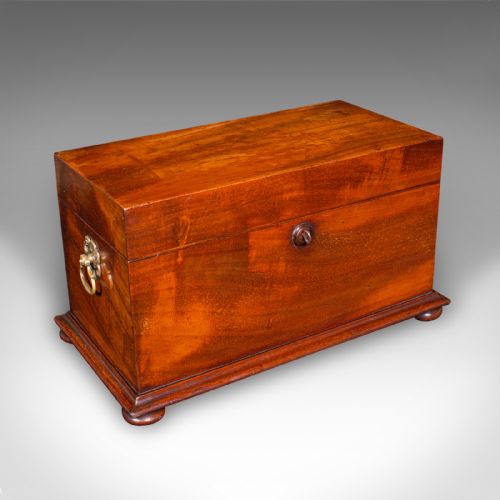


English Regency Brass Chest
These english regency brass chest pieces combine rich timbers and warm metalwork to bring period proportion into modern rooms.
English Regency Brass Chest
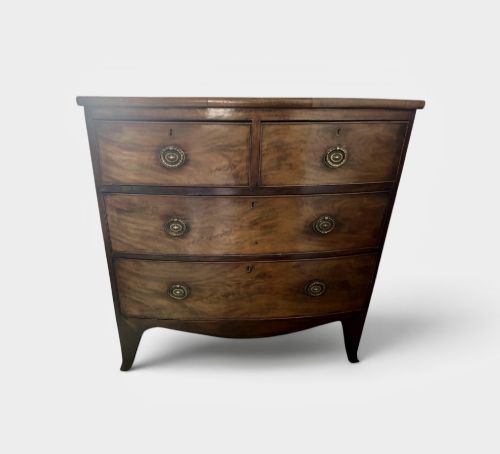
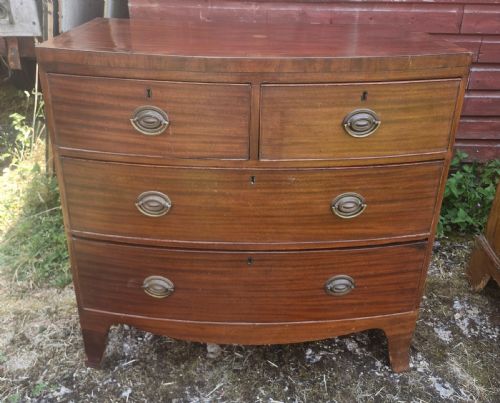
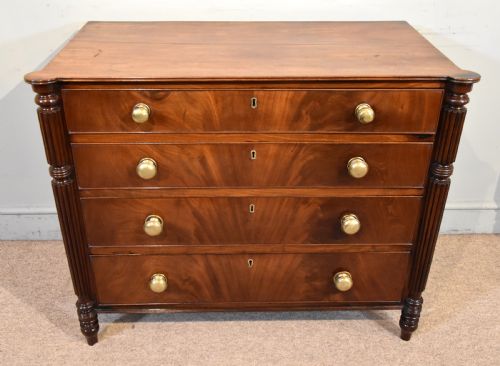
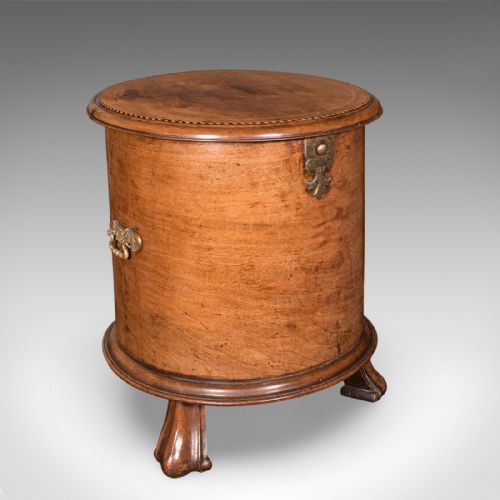
An english regency brass chest covers several distinct forms, most commonly appearing as bow front chests of drawers, tea caddies, cellarettes, and tea-poys. These items hail predominantly from the Regency period, alongside associated nineteenth-century, Georgian, George IV, and William IV iterations.
Buyers seeking this search phrase will most frequently encounter mahogany and rosewood chests of drawers alongside smaller tabletop containers like tea caddies and tea-poys. Oak, walnut, burr walnut, and painted finishes also appear across the selection.
The objects range from large bedroom storage drawers down to small strong boxes and show cabinets on stands. Each piece relies on the characteristic proportions and clean lines associated with Regency Neoclassical design.
What varies in quality
Quality rests heavily on the selection of timber figures, where heavily figured mahogany and rich rosewood elevate a piece above standard stock. The precision of the brass inlay work further distinguishes finer examples from simpler workshops.
Finer items demonstrate superior handling of secondary timbers like oak and boxwood within internal drawer linings and compartment dividers. The integration of specialised hardware, such as secret letter compartments and bronze mounts, signals higher craftsmanship.
English Regency Brass Chest Retail Price Guide 2026
Typical asking prices for english regency brass chest among the pieces listed under this phrase on Sellingantiques today, from the lower quarter to the upper quarter. They describe what is for sale here now, not the wider market.
The listings show materials spanning mahogany, rosewood, walnut, oak, boxwood, and bone across Regency and Georgian periods.
The English Regency Brass Chest Glossary
- Bow front
- A cabinet or chest of drawers featuring a convex, outward-curving front facade. This shape became especially popular during the Regency and Georgian periods.
- Cellarette
- A lockable container designed to hold bottles of wine or spirits safely. They often stand on their own legs or incorporate fine brass mounts.
- Tea caddy
- A small lidded box built to store dry tea leaves securely. Regency examples frequently feature elaborate rosewood construction and intricate brass inlay.
- Tea-poy
- A small stand supporting a lidded container for loose teas, usually fitted with internal mixing bowls or compartments. These elevated pieces often rest on central pedestals.
- Strong box
- A heavy security container fabricated from robust materials like brass and bronze. They were utilised for valuables and secret letters.
English Regency Brass Chest: Frequently Asked Questions
What is an english regency brass chest?
An english regency brass chest refers to furniture and containers from the early nineteenth century featuring brass inlay, mounts, or handles. The category encompasses large storage furniture alongside smaller decorative caddies and cabinets.
These pieces showcase woods like mahogany and rosewood styled according to Regency Neoclassical aesthetics.
How were tea caddies used?
Tea caddies served to store expensive dry tea leaves under lock and key in the drawing room or dining room. Servants typically brought the caddy out to prepare tea in front of guests.
Many examples feature dual compartments to keep different tea varieties separated.
How do I identify a Regency period piece?
Regency pieces typically display classical restraint, clean architectural lines, and contrasting timber veneers. Look for specific details like bow fronts, brass stringing, and rosewood surfaces.
Matching materials such as boxwood stringing and bronze mounts also point toward this era.
Where were cellarettes placed?
Cellarettes stood in dining rooms near the table to keep wine bottles close at hand during meals. Their sturdy construction often included lead linings to hold melting ice for chilling bottles.
They functioned both as practical storage and as decorative furniture statements.