



English Pub Table
An English pub table brings sturdy character into a room, offering honest construction and decades of social history in a single piece of furniture.
English Pub Table
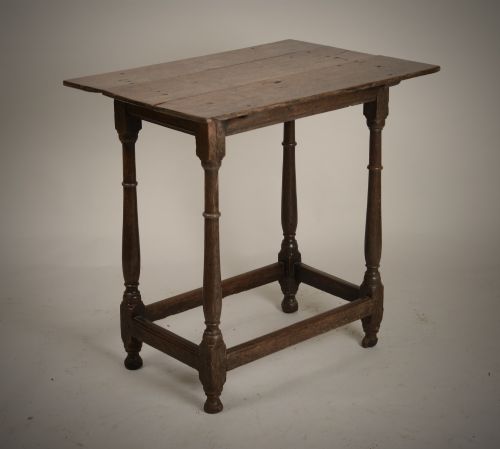
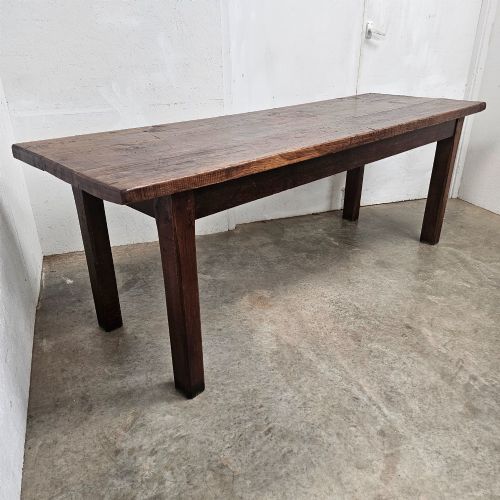
An English pub table spans centuries of social and domestic use, encompassing sturdy dining tables, side tables, and games tables designed for heavy daily service. When searching for an english pub table, buyers encounter robust pieces shaped by generations of practical use in taverns, inns, and country houses.
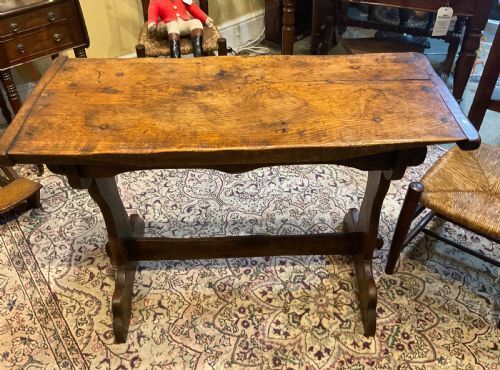
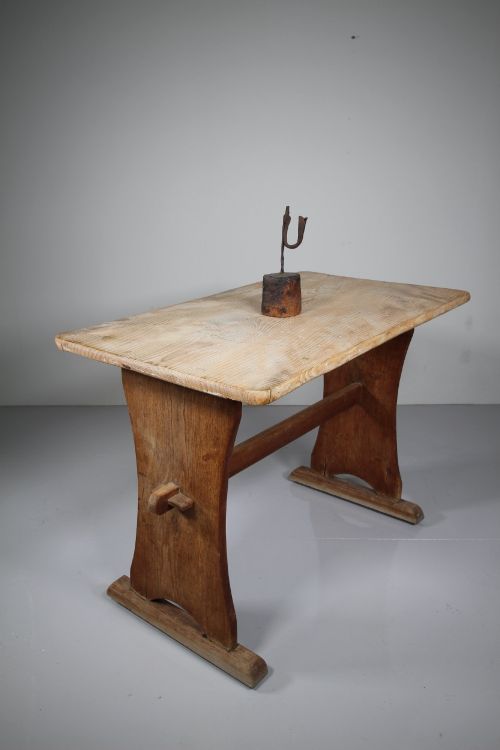
The selections on this page draw predominantly from the nineteenth century and the eighteenth century, alongside Victorian and nineteen-thirties examples. Common forms include tavern tables with thick timber tops, pine trestle tables, and occasional tables built for public houses.
Materials span oak, pine, elm, and cedar, frequently paired with cast iron bases such as Britannia designs. These pieces often exhibit regional English country styles and rustic country aesthetics, alongside industrial ironwork and George IV periods.
How they were made
Makers constructed these tables from durable native timbers like oak, elm, and pine to withstand heavy use in busy rooms. Thick wooden tops were joined to solid frames, sometimes incorporating substantial stretcher bases for extra stability.
Cast iron components became prominent during the Victorian era, particularly on Britannia tables which combined heavy metal pedestals with wooden tops. Original paint finishes and natural timber surfaces were left exposed or treated simply to endure daily wear.
English Pub Table Retail Price Guide 2026
Typical asking prices for english pub table among the pieces listed under this phrase on Sellingantiques today, from the lower quarter to the upper quarter. They describe what is for sale here now, not the wider market.
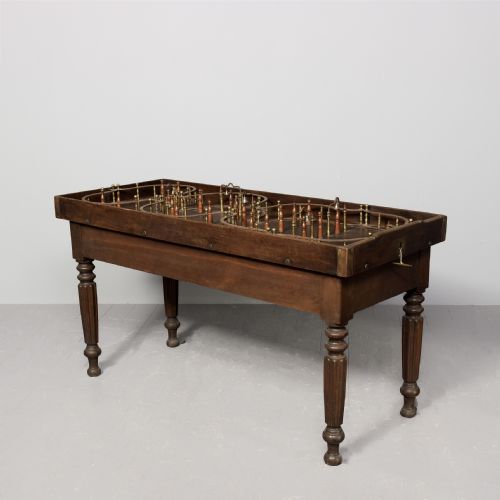
Some nineteenth-century visitors to the local pub spent their evenings rolling balls on a freestanding oak skittles game rather than just nursing a pint.
What varies in quality
The distinction between standard examples and superior pieces often lies in the integrity of the original materials and the presence of untouched surfaces. Tables retaining their original paint or rich, aged patina demonstrate a higher level of historical preservation.
Structural heft and honest construction methods define the better specimens, where thick tops and robust iron or timber bases remain entirely sound. Finer pieces show balanced proportions between the top and the supporting legs, whether configured as trestles, side tables, or games tables.
The English Pub Table Glossary
- Tavern table
- A sturdy wooden table traditionally used in public houses for drinking, dining, and social gatherings. These pieces typically feature thick tops and robust legs designed for heavy commercial use.
- Britannia table
- A nineteenth-century pub table featuring a heavy cast iron base, often cast in the form of Britannia, paired with a round wooden top. This design provided exceptional stability on uneven floors.
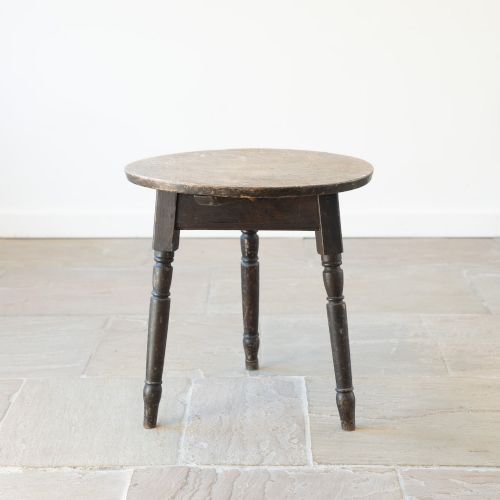
- Cricket table
- A small, lightweight occasional table typically featuring three splayed legs and a round top. The three-legged design ensured the table remained stable on uneven flagstone floors.
- Trestle table
- A table comprising two or more support frames connected by a longitudinal beam that hold up a flat top. This form allowed for maximum legroom and easy dismantling in functional settings.
- Skittles game
- A traditional English pub pastime played with miniature pins and a ball on a freestanding wooden board. These games tables formed an integral part of tavern entertainment.
English Pub Table: Frequently Asked Questions
What is a Britannia table?
A Britannia table is a specific type of pub table defined by its heavy cast iron pedestal base, frequently bearing the figure of Britannia. These were introduced during the Victorian period to provide sturdy, tip-resistant seating in busy public houses.
The iron bases were mass-produced in foundries and paired with circular timber tops, usually made of pine, cedar, or oak. This combination made them durable enough for both indoor tavern use and outdoor garden seating.
How were tavern tables used?
Tavern tables served as the central hub for eating, drinking, and socialising within English public houses and inns. Patrons gathered around them for communal meals, conversation, and games.
Beyond dining, specialised forms accommodated pastimes such as skittles or card games. Their robust construction meant they could endure the constant movement and heavy demands of a bustling taproom.
Are these tables suitable for modern dining?
These tables adapt well to contemporary dining spaces, bringing a sense of history and robust character to a room. Their solid construction makes them practical for daily use as kitchen or dining tables.
When living with an older pub table, homeowners often pair them with benches or mismatched chairs to match their rustic origins. The thick timber tops naturally accommodate the wear and tear of everyday family life.
How do I identify a nineteenth-century piece?
Nineteenth-century tavern and pub tables typically display construction methods characteristic of the Victorian era and earlier periods. Look for hand-finished timber boards, pegged joints, and heavy cast iron components where applicable.
The integration of cast iron pedestals, particularly on Britannia models, points directly to Victorian manufacturing techniques. Additionally, surface wear such as old paint layers and natural dings indicates long periods of active service.