

English Painted Fruit Ceramic
English painted fruit ceramic pieces bring hand-coloured botanical subjects to porcelain and earthenware, offering vibrant table settings and cabinet displays.
English Painted Fruit Ceramic
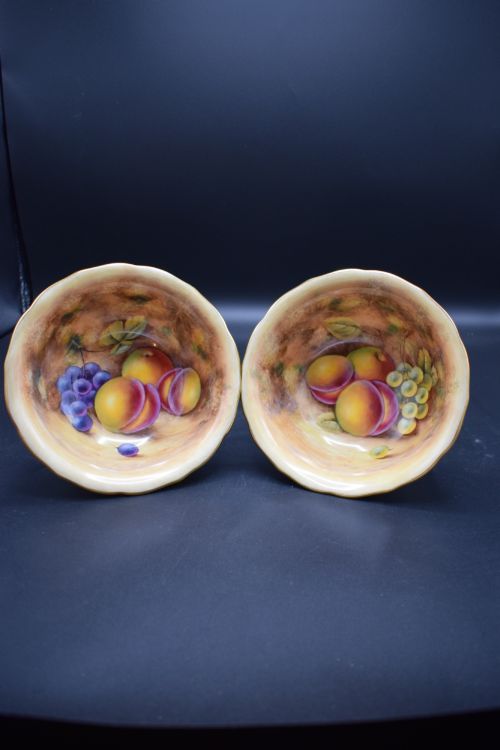
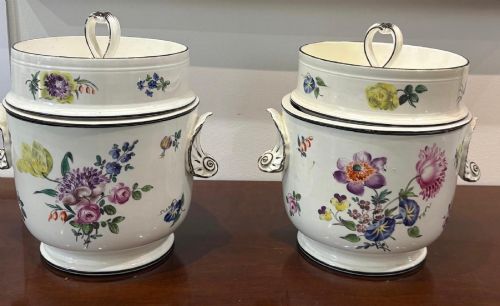
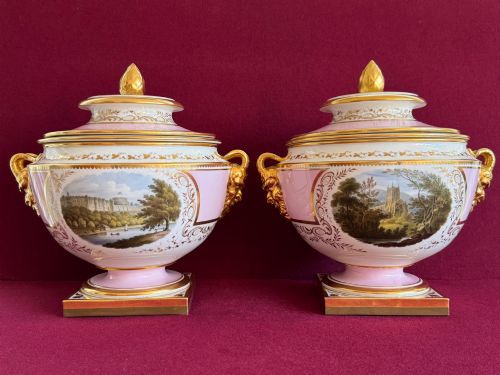
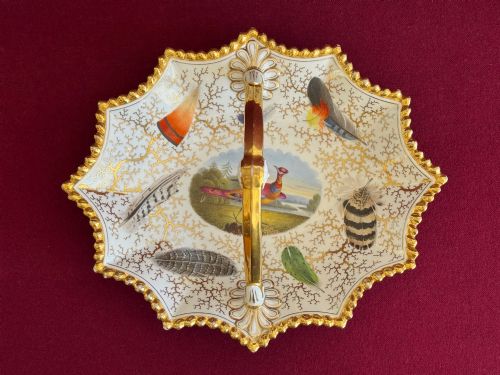
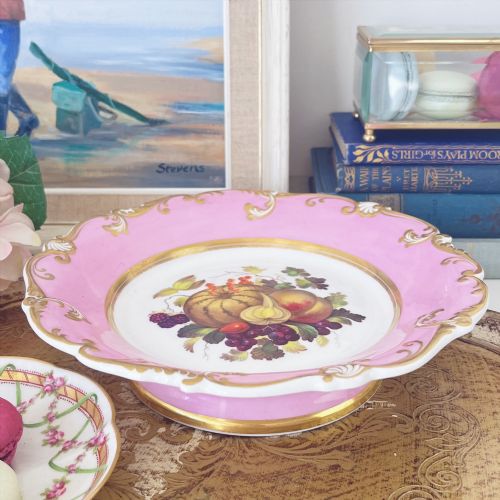
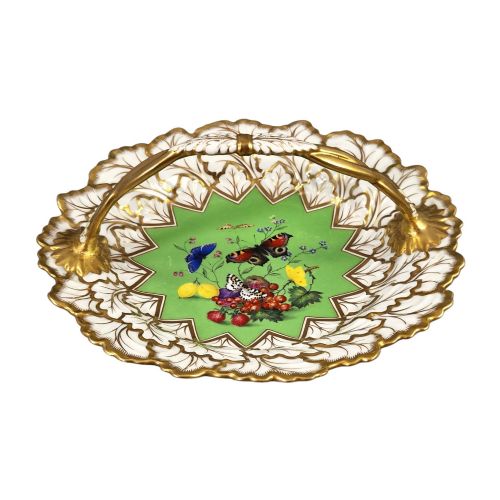
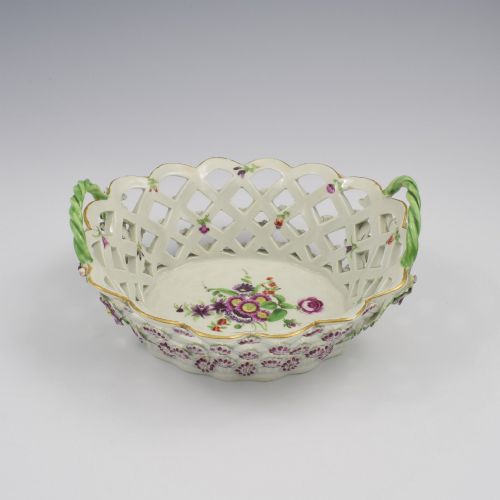
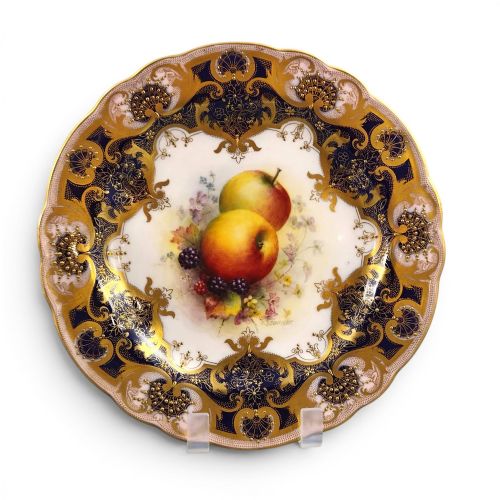
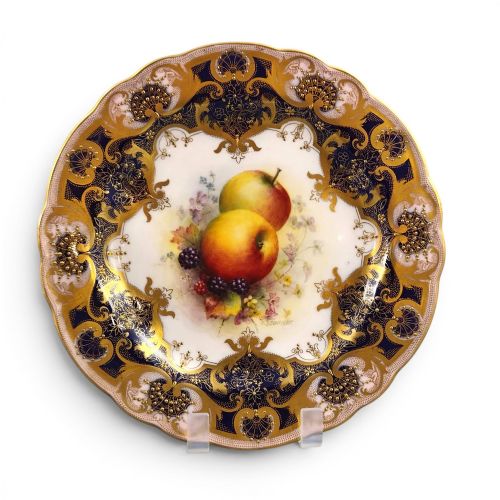
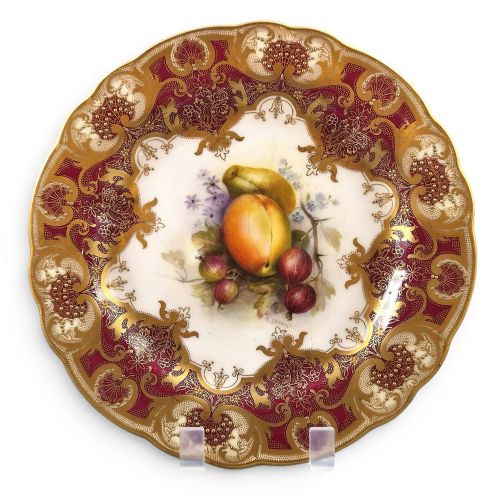
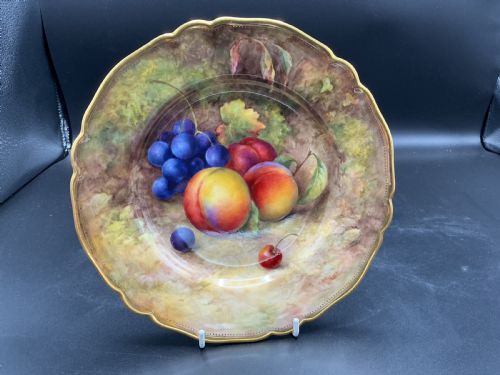
When you search for english painted fruit ceramic, you encounter cabinet plates, comports, and vessels carrying detailed depictions of natural produce. These pieces span centuries of production, recording shifts in taste from eighteenth-century porcelain to twentieth-century tableware.
The selections on this page concentrate heavily upon nineteenth-century porcelains and twentieth-century cabinet pieces, particularly from manufactories like Worcester. Dessert dishes, baskets, and pot pourri vases dominate the forms, each surface utilised for botanical illustration.
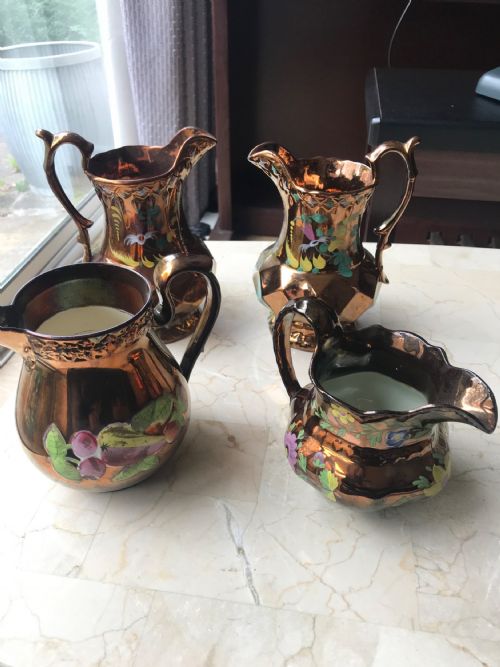
The tradition encompasses domestic items such as tea sets and jugs alongside purely ornamental vessels. Makers applied these detailed motifs across diverse utilitarian and display items, maintaining a distinct focus on naturalistic colour.
Materials and production methods
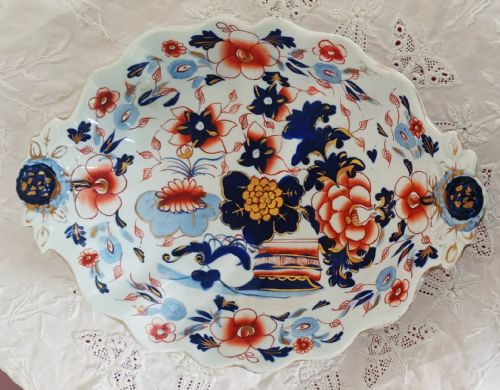
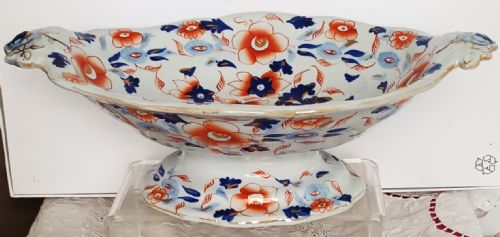
Potters shaped these objects using porcelain, bone china, earthenware, and ironstone, providing a stable white or cream ground for pigments. Artisans applied hand-painted enamels directly onto the glazed surface before secondary firing to fix the colours.
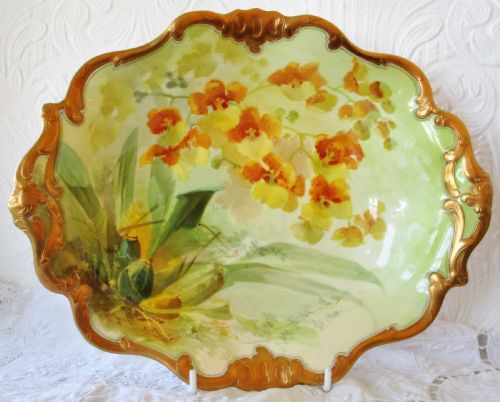
Gilt, gold leaf, and gilding frequently edge the rims and handles, framing the central fruit compositions. Copper lustre and enamel applications add further metallic depth to earthenware jugs and decorative bowls.
English Painted Fruit Ceramic Retail Price Guide 2026
Typical asking prices for english painted fruit ceramic among the pieces listed under this phrase on Sellingantiques today, from the lower quarter to the upper quarter. They describe what is for sale here now, not the wider market.
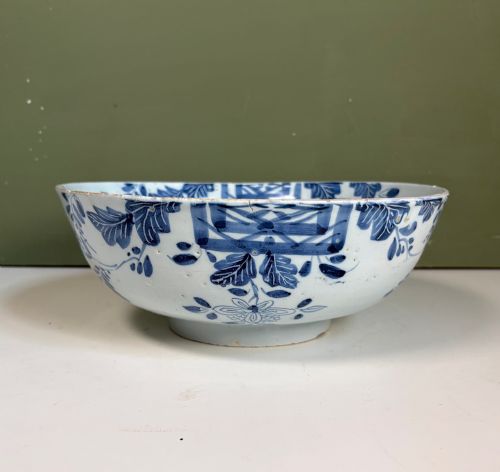
Listings span multiple centuries, incorporating eighteenth-century Delft bowls alongside mid-twentieth-century Royal Worcester pot pourri vases.
Judging quality and execution
The distinction between standard production and exceptional work lies in the brushwork of the fruit and foliage. Master painters achieved a tactile realism in the rendering of peaches, grapes, and leaves that lesser hands missed.
The integration of gilding and the quality of the porcelain body also mark the tier of a piece. Finer items display crisp mouldings, smooth glazing, and secure application of gold leaf without rubbing.
Flight Barr and Barr·H and R Daniel·Royal Worcester·Royal Doulton·Maling
The English Painted Fruit Ceramic Glossary
- Comport
- A footed dish or bowl raised above the table level, often used for serving fruit or sweets during dessert courses. These vessels frequently feature elaborate painted borders.
- Cabinet plate
- A decorative plate intended for display in a cabinet rather than for dining use. Such pieces often showcase the highest skill of the factory's painters.
- Pot pourri
- A vase or jar with a pierced cover designed to hold dried scented plant material. The perforated lids allow fragrance to diffuse while concealing the contents.
- Ironstone
- A heavy, durable type of earthenware patented in the nineteenth century. It resists chipping better than soft-paste porcelain while accepting transfer-printing and hand painting.
- Enamel
- Vitreous coloured glass fused to the ceramic surface during a low-temperature kiln firing. It provides the bright palette seen in botanical and fruit decorations.
English Painted Fruit Ceramic: Frequently Asked Questions
What defines an english painted fruit ceramic piece?
These items combine ceramic bodies such as porcelain or earthenware with hand-painted depictions of apples, grapes, and other orchard produce. They range from utilitarian jugs to dedicated cabinet plates.
Craftsmen utilised enamel colours and often added gilt borders to frame the botanical subjects, creating objects intended for both service and display.
How were these ceramics used originally?
Plates, comports, and dessert dishes served during the formal dessert course that followed the main meal in wealthy households. Guests admired the painted fruit while consuming actual fruit and sweetmeats.
Vessels like pot pourri jars and vases remained stationary in drawing rooms, contributing to the room's scent and visual decoration.
How do I identify the period of a piece?
Examine the base for factory marks, pattern numbers, and artist signatures, which often correlate with specific operational dates. Stylistic cues like regency shapes or art deco colourways also point to the era of manufacture.
Consulting the specific material, such as early bone china versus later ironstone, helps narrow down the production window.